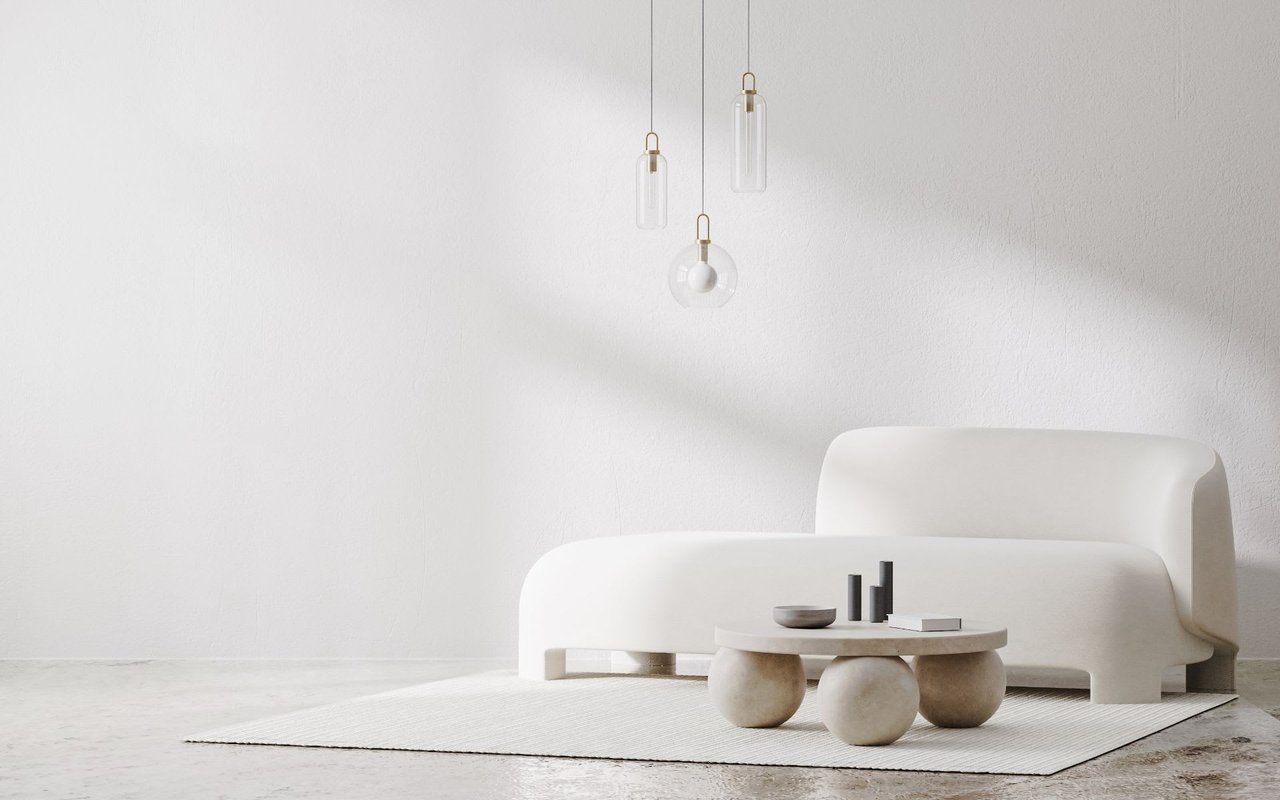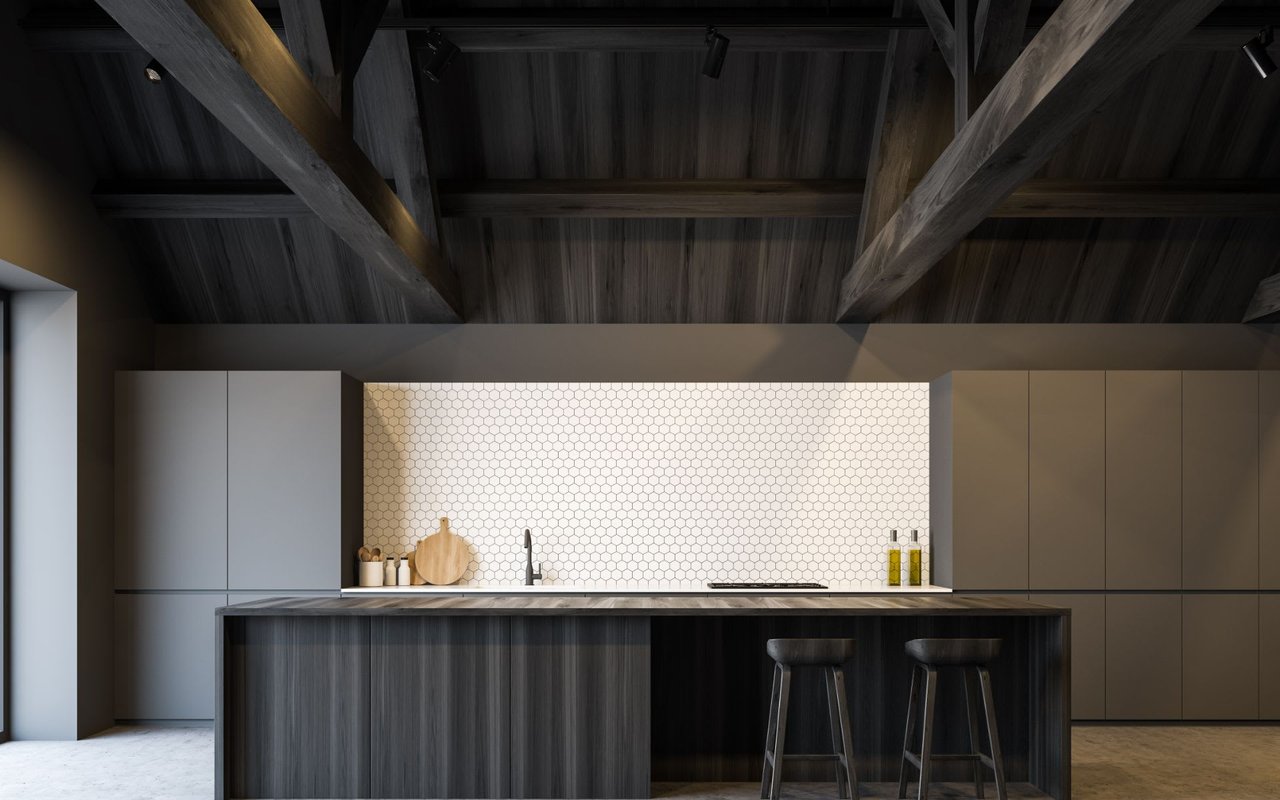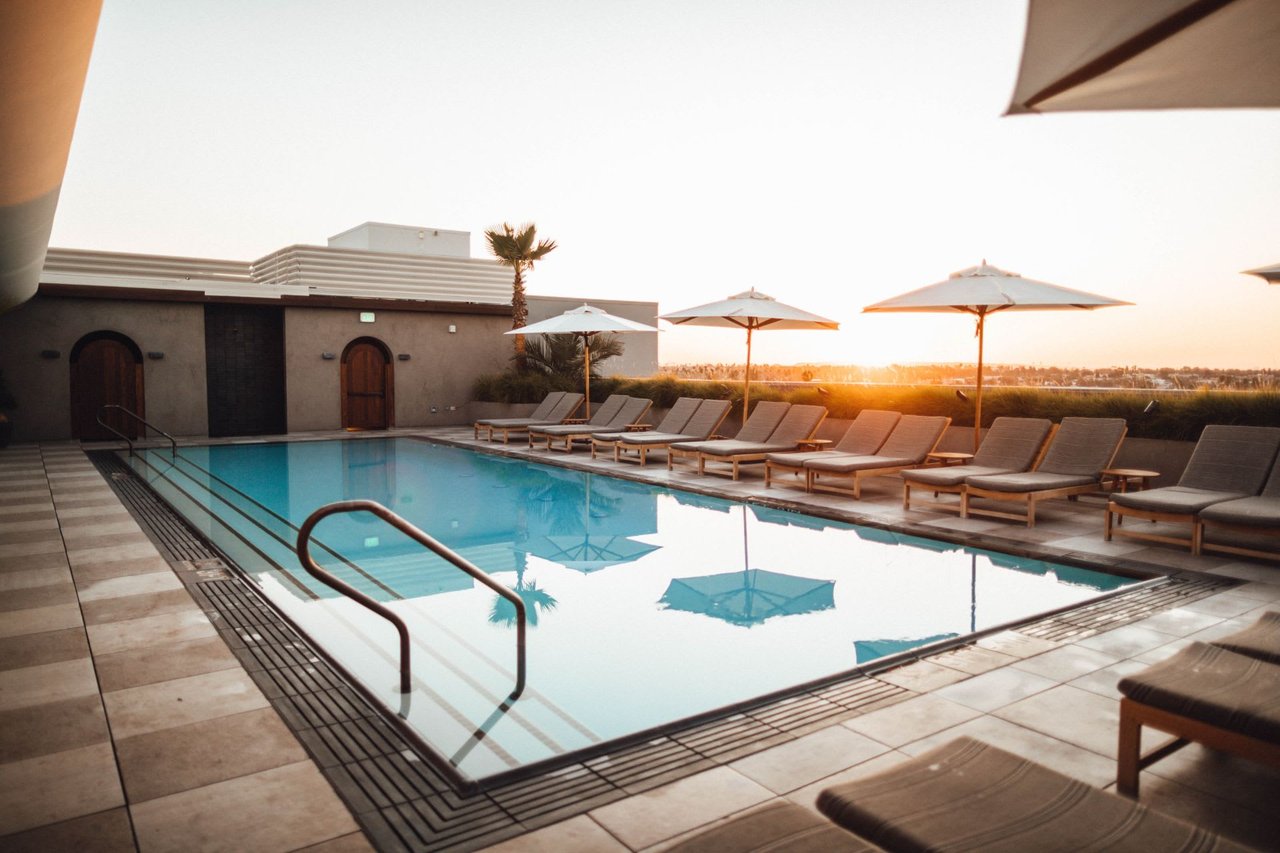
In luxury real estate, natural light is often presented as a desirable feature, usually through images of expansive windows, bright living rooms, and sunlit terraces. A well-lit home photographs beautifully, feels open, and can create an immediate sense of comfort.
But natural light is more than a visual advantage.
Its direction, intensity, timing, and relationship with the architecture can influence how a residence is experienced throughout the day. Light affects the appearance of materials, the atmosphere of rooms, the connection between indoor and outdoor spaces, and the way occupants use different areas of the home.
A property with large windows is not automatically a property with well-considered daylight.
The quality of natural light depends on several factors, including orientation, glazing, shading, ceiling height, surrounding structures, landscaping, and the intended function of each room. A dramatic wall of glass may provide impressive views while also introducing glare, heat, privacy concerns, or uneven illumination.
The most sophisticated approach treats daylight as part of the architectural strategy rather than a decorative benefit.
For luxury buyers, this creates a more meaningful way to evaluate a residence. Instead of asking only whether a home feels bright during a showing, the question becomes whether its relationship with natural light supports the way the property will be used across different seasons, times of day, and stages of ownership.
The value of daylight is not simply how much light enters a home, but how intelligently that light is managed.
The Difference Between Brightness and Quality
Brightness is easy to notice. Quality is more difficult to define.
A room may receive substantial sunlight but still feel uncomfortable because of glare, excessive heat, or poorly distributed illumination. Another room may receive softer, indirect daylight and feel more balanced, calm, and usable.
This distinction is particularly relevant in luxury homes, where large openings and expansive glazing are often central to the design.
The amount of glass can create a visual connection with the landscape, but the experience depends on how that glass is positioned and controlled. A window facing direct afternoon sun may produce a different environment from one receiving filtered morning light. A skylight may introduce dramatic illumination but also create challenges involving heat and maintenance.
Daylight should therefore be considered in relation to the room’s purpose.
A living room may benefit from generous natural light and an open connection to the outdoors. A bedroom may require more controlled illumination, especially if the occupants value sleep and privacy. An art room may need carefully filtered light to protect sensitive works. A home office may require sufficient daylight without reflections on screens.
The goal is not to make every room equally bright.
A well-designed home creates variation, allowing different spaces to offer different atmospheres throughout the day.
Orientation as a Design Decision
The orientation of a property influences the quality and timing of the light it receives.
This is one reason the position of a home on its lot matters beyond views and access. The direction of the main living areas, the placement of windows, and the relationship between the building and the surrounding landscape all affect daylight conditions.
In South Florida, the intensity of the sun makes orientation particularly relevant. Bright conditions can be an advantage, but unmanaged exposure may create glare, heat gain, and greater demands on cooling systems.
A residence should be assessed based on how sunlight moves across the property.
Which rooms receive morning light? Where does the strongest afternoon exposure occur? Are outdoor entertaining areas shaded during the hours they are most likely to be used? Do bedrooms face direct sunlight at times when occupants may prefer darker conditions?
These questions are not answered through a floor plan alone. They require an understanding of the site, the surrounding buildings, the landscape, and the seasonal movement of the sun.
Orientation can also influence the emotional character of the home.
Morning light may create a gentle and welcoming atmosphere in a breakfast area or kitchen. Afternoon light can emphasize architectural textures and create dramatic interior shadows. Filtered daylight through trees may produce a softer environment than direct exposure across an unobstructed façade.
The best orientation is not necessarily the one that delivers the most sunlight at all times. It is the one that supports the intended use of the residence.
The South Florida Relationship With Sunlight
In South Florida, natural light is one of the region’s defining environmental qualities.
The climate, coastal setting, tropical vegetation, and outdoor-oriented lifestyle encourage architectural approaches that connect interior spaces with the surrounding environment. Large windows, sliding doors, covered terraces, courtyards, and open living areas can help create this relationship.
However, the same conditions that make daylight appealing also require careful planning.
High solar exposure can contribute to interior heat, glare, and fading of certain materials. The position of the home, the type of glazing, the depth of overhangs, and the use of exterior shading can all affect performance.
A property should not be evaluated solely on the size of its windows. The design of those windows matters just as much.
Features such as deep roof overhangs, recessed openings, covered outdoor spaces, screens, adjustable shades, and strategically placed landscaping can help moderate exposure while preserving views and daylight.
These strategies can also influence the visual character of the architecture. Shading elements may create rhythm, depth, and proportion across a façade rather than functioning only as technical additions.
The most successful homes integrate environmental response into their design language.
They allow the property to benefit from its location without making the occupants constantly manage the consequences of intense sunlight.
Windows as More Than a View
Windows are often evaluated through their dimensions and the quality of the view they frame.
Those factors matter, but a window also functions as a source of light, heat, ventilation potential, privacy, and visual connection. Its placement can influence furniture arrangements, circulation, artwork positioning, and the overall atmosphere of a room.
A large window facing a beautiful landscape may become the primary focal point of a space. A smaller, carefully positioned opening may provide a more controlled relationship with the outside world.
The decision should be connected to the function of the room.
In a formal living area, a wide opening may support entertaining and create a strong visual connection with the garden. In a bedroom, a more carefully framed view may provide privacy while still allowing daylight to enter. In a bathroom, high windows or screened openings may introduce light without compromising seclusion.
This demonstrates that natural light and privacy do not always need to be opposing priorities.
The architecture can use height, orientation, screening, landscaping, and window placement to create a balance between openness and protection.
For luxury buyers, this can be especially relevant in properties where the surrounding environment is active or where neighboring homes are located relatively close to one another.
The question is not simply how much glass a property has. It is whether the glazing creates the right relationship between the interior, the exterior, and the people who occupy the home.
The Importance of Indirect Light
Direct sunlight can create drama, but indirect light often contributes to a more consistent and comfortable environment.
Indirect daylight may enter through shaded openings, reflect from surrounding surfaces, pass through architectural screens, or be filtered by trees and other landscape elements. It can soften shadows and reduce the contrast between bright and dark areas.
This can be particularly useful in rooms designed for reading, conversation, relaxation, or extended daily use.
Architectural elements such as clerestory windows, light wells, courtyards, translucent screens, and recessed openings can help introduce daylight without relying entirely on direct exposure.
These features can also create a more layered interior experience.
Instead of illuminating a room uniformly, indirect light can reveal textures, highlight surfaces, and create gradual transitions between spaces. A corridor may receive daylight from an adjacent courtyard. A staircase may be illuminated from above. A bathroom may receive soft light through a screened opening.
Such details can make a residence feel more connected to the passage of time.
The light changes as the day progresses, allowing the architecture to appear different in the morning, afternoon, and evening.
This dynamic quality is difficult to reproduce through artificial lighting alone.
Light and the Perception of Materials
Natural light influences how materials are seen.
Stone, wood, plaster, metal, glass, and textiles can appear different depending on the direction, color, and intensity of the light falling across them. Surface texture becomes more noticeable when light creates shadows and variation. Smooth finishes may reflect light more strongly, while matte materials can produce a softer visual effect.
This is one reason material selection and daylight planning should be considered together.
A textured stone wall may become a prominent architectural feature when illuminated from the side. A wood ceiling may appear warmer under certain conditions. A polished surface may create unwanted reflections if positioned opposite a large window.
The same material can produce different results in different rooms.
A finish that works well in a shaded hallway may feel too reflective in a sun-filled living area. A dark surface may create a sense of depth in one location but absorb too much light in another.
The quality of the interior therefore depends on the interaction between materials and the natural conditions of the space.
For luxury properties, where material quality is often a major part of the design investment, this relationship deserves close attention.
The architecture should allow the materials to perform visually rather than relying on their cost or rarity to create impact.
Daylight and the Experience of Scale
Natural light can influence how spacious a room feels.
A room with well-distributed daylight may feel more open and connected, even when its dimensions are moderate. Conversely, a large room with limited or poorly positioned openings may feel enclosed or visually uneven.
This does not mean that more windows always create a stronger sense of scale.
The placement of openings, ceiling height, sightlines, and transitions between rooms all contribute to the perception of space. Light can help guide the eye through the home, draw attention toward a view, or create a visual connection between separate areas.
A courtyard, for example, can introduce daylight into the center of a residence while providing a point of orientation. A double-height window can emphasize vertical scale. A series of smaller openings can create rhythm and proportion across a wall.
These strategies demonstrate how daylight can become part of the spatial composition.
The architecture is not simply allowing light into the building. It is using light to define how the building is experienced.
The Challenge of Glare
One of the most common misunderstandings about natural light is that more daylight is always better.
Excessive brightness can create glare, making it difficult to read, work, watch a screen, or comfortably occupy a room. Reflections from glass, polished stone, floors, and furniture can intensify the problem.
Glare can be particularly noticeable in rooms with large windows and strong direct exposure.
The solution is not necessarily to reduce the size of the windows. It may involve more precise control through shading, glazing, furniture placement, and the orientation of work surfaces.
Adjustable window treatments can offer flexibility throughout the day. Exterior shading may reduce direct exposure before the light enters the building. Architectural overhangs can provide passive protection while preserving the connection to the outdoors.
The placement of desks, seating, televisions, and other functional elements should also be considered.
A home office with a beautiful view may become difficult to use if the desk is positioned directly opposite a bright window. A media room with extensive glazing may require additional control to maintain visual comfort.
Good design anticipates these conditions.
The aim is to make daylight useful rather than allowing it to become a source of constant adjustment.
The Role of Shading in Luxury Architecture
Shading is often treated as a technical response to climate, but it can also contribute to the identity of a residence.
Overhangs, pergolas, screens, fins, recessed windows, and covered terraces can create depth and rhythm across the building. They can frame views, establish transitional zones, and provide a sense of enclosure without closing the home off from the outdoors.
In South Florida, shaded outdoor spaces can also extend the practical use of the property.
A covered terrace may provide a comfortable setting for dining, conversation, or relaxation during periods of intense sunlight. A pergola can create a more defined outdoor room. Landscaping can introduce filtered light and help connect the building to its surroundings.
The most effective shading solutions respond to the specific orientation and use of the space.
A feature that works well on one façade may be less effective on another. The design should consider the angle of the sun, the season, the surrounding landscape, and the activities expected to take place in each area.
This is where architectural precision becomes important.
Shading should not be added solely because it is fashionable. It should be integrated into the property’s environmental and visual strategy.
Light, Privacy, and the Residential Boundary
A luxury home often seeks to balance openness with privacy.
Large windows can create beautiful views and introduce abundant daylight, but they may also expose interiors to neighboring properties or passing activity. This can lead owners to close curtains or blinds, reducing the very connection with the outdoors that the architecture was designed to provide.
A more thoughtful approach considers privacy from the beginning.
The position of the building, the height of windows, the use of screens, the arrangement of landscaping, and the orientation of interior spaces can all influence the level of exposure.
Clerestory windows may provide daylight while limiting direct views into private rooms. Courtyards can bring light into the property while turning the primary view inward. Layered landscaping can filter sightlines without creating a heavy visual barrier.
These strategies can allow a residence to remain bright without feeling exposed.
The balance is particularly important in neighborhoods where homes are positioned near one another or where outdoor living areas are central to the lifestyle.
Privacy should not require a complete withdrawal from natural light.
The best design solutions create a more selective relationship with the surrounding environment.
Protecting Art, Furnishings, and Interior Finishes
Natural light can enhance the experience of a home, but prolonged exposure may affect certain materials and objects.
Textiles, artwork, wood finishes, photographs, and other sensitive materials may be vulnerable to fading or deterioration depending on their composition and exposure conditions.
This is especially relevant in residences with valuable collections or carefully selected interior furnishings.
The solution requires a balance between display and protection.
Window treatments, ultraviolet-reducing glazing, filtered light, and controlled exposure can help manage the potential effects of sunlight. The specific requirements depend on the materials involved and should be evaluated appropriately.
The issue is not limited to formal art collections.
A homeowner may invest in custom rugs, rare furniture, natural wood finishes, or other materials that require thoughtful maintenance. The interior design should account for how these elements will respond to the conditions of the room.
A property’s visual quality should be considered over time, not only when the finishes are newly installed.
This is another reason daylight planning belongs in the early stages of design rather than being addressed after the interior has been completed.
The Emotional Experience of Changing Light
Natural light gives a residence a sense of movement.
Artificial lighting can be adjusted, but it generally follows a planned and controlled pattern. Daylight changes naturally as the sun moves, clouds pass, weather shifts, and the seasons progress.
These changes can influence the emotional atmosphere of the home.
A kitchen may feel energetic in the morning and warmer in the late afternoon. A living room may transition from bright openness to softer shadows. A courtyard may create different impressions depending on the time of day.
This variation can make the home feel more connected to the natural world.
The effect is subtle, but it can influence how occupants experience daily routines. A home with carefully considered daylight may encourage people to use different spaces at different times, move toward outdoor areas, or notice changes in the surrounding landscape.
The architecture becomes responsive rather than static.
Its character is not fixed entirely by furniture, finishes, or decoration. It continues to change through its relationship with light.
The Relationship Between Daylight and Energy Performance
Natural light and energy performance are closely related, but the relationship is not always straightforward.
Using daylight can reduce the need for artificial lighting during certain periods. However, large areas of glazing can also increase heat gain, potentially placing greater demands on cooling systems.
The overall performance of a residence depends on the design of the building envelope, glazing specifications, shading, insulation, orientation, and mechanical systems.
A home should therefore be assessed as an integrated system.
A large window may provide excellent daylight and views, but its performance depends on the type of glass, the direction it faces, the degree of shading, and how the interior responds to solar exposure.
Energy considerations should not be reduced to a single feature or technology.
The objective is to create a residence that uses natural light effectively while managing the environmental conditions that come with it.
In South Florida, this balance is especially relevant because the quality of daylight must be considered alongside cooling demands and the long-term maintenance of the property.
Evaluating Daylight During a Property Search
Natural light can be difficult to evaluate during a brief showing because the experience changes according to the time of day and weather conditions.
A property viewed in the morning may feel very different in the afternoon. Cloud cover can soften exposure. Furniture and window treatments may alter the perception of brightness. Neighboring structures and landscaping may affect the amount of light entering specific rooms.
For buyers, evaluating daylight should involve more than observing whether the home appears bright.
Consider the following:
- Which rooms receive direct sunlight, and at what times?
- Are the main living areas comfortable during periods of intense exposure?
- Does the home offer shaded outdoor spaces?
- Are bedrooms positioned for the preferred light conditions?
- Can window treatments be adjusted easily?
- Are there areas where glare may affect work or entertainment?
- How does the property balance views with privacy?
- Could future landscaping or nearby development change the light environment?
- Are materials and furnishings protected from excessive exposure?
- Does the home rely on large areas of glazing without sufficient shading?
These questions help create a more complete understanding of the property.
For homes under construction or undergoing renovation, they may also guide discussions with architects, builders, and design professionals.
The objective is not to find a residence with the greatest amount of daylight. It is to find one with daylight that supports the intended lifestyle.
The Long-Term Value of Thoughtful Light Planning
Natural light is not usually treated as a separate line item in the value of a luxury property. Its influence is distributed across many aspects of the ownership experience.
It affects atmosphere, comfort, views, material presentation, outdoor connection, and the way rooms are used. When carefully planned, it can contribute to a sense of coherence throughout the residence.
However, daylight should not be evaluated in isolation.
A home with exceptional light but poor privacy may not suit every buyer. A property with beautiful views may have excessive exposure. A residence with generous glazing may require significant maintenance or careful management of heat and glare.
The value lies in the balance between different conditions.
A well-designed property recognizes that luxury is not simply the presence of desirable features. It is the way those features work together.
Natural light should support architecture, landscape, privacy, comfort, and everyday routines rather than competing with them.
MMGLuxury Perspective
At MMGLuxury, we believe a meaningful property evaluation extends beyond the visible features that initially attract attention.
Natural light is one of the details that can significantly influence how a home feels and functions, but its quality depends on factors that are not always immediately apparent during a showing.
The orientation of the property, the position of the rooms, the surrounding landscape, the type of glazing, and the availability of shading can all affect the living experience. Buyers may also have different priorities depending on whether they value morning light, sunset exposure, art display, privacy, outdoor entertaining, or a more controlled interior environment.
Understanding these considerations helps clients evaluate properties more clearly.
Our role is to help buyers examine how the architectural features and environmental conditions of a residence align with their lifestyle and long-term objectives. A beautiful view or large window can be valuable, but the broader question is how effectively the property manages light throughout the day.
The right home should offer more than visual appeal. It should create an environment that feels considered, comfortable, and aligned with the way its occupants intend to live.
Final Thought
Natural light is one of the most powerful materials in residential architecture, yet it cannot be selected in isolation.
Its quality depends on orientation, proportion, glazing, shading, privacy, landscape, and the activities taking place within each room. When these elements are thoughtfully coordinated, daylight can do more than brighten a home.
It can reveal material texture, shape atmosphere, frame views, connect interior and exterior spaces, and create a changing sense of place throughout the day.
The finest luxury residences do not simply invite sunlight inside. They determine how that light should be experienced.
In the end, the value of daylight is not measured by the size of a window or the brightness of a photograph.
It is measured by how naturally the home allows light to become part of everyday life.
#MMGLuxury #LuxuryRealEstate #SouthFloridaRealEstate #LuxuryHomeDesign #NaturalLight #DaylightArchitecture #ResidentialArchitecture #LuxuryLifestyle #LuxuryHomes #ArchitecturalDesign #SouthFloridaLuxuryHomes #RealEstateInsights #LuxuryProperty #MelissaMillerGroup