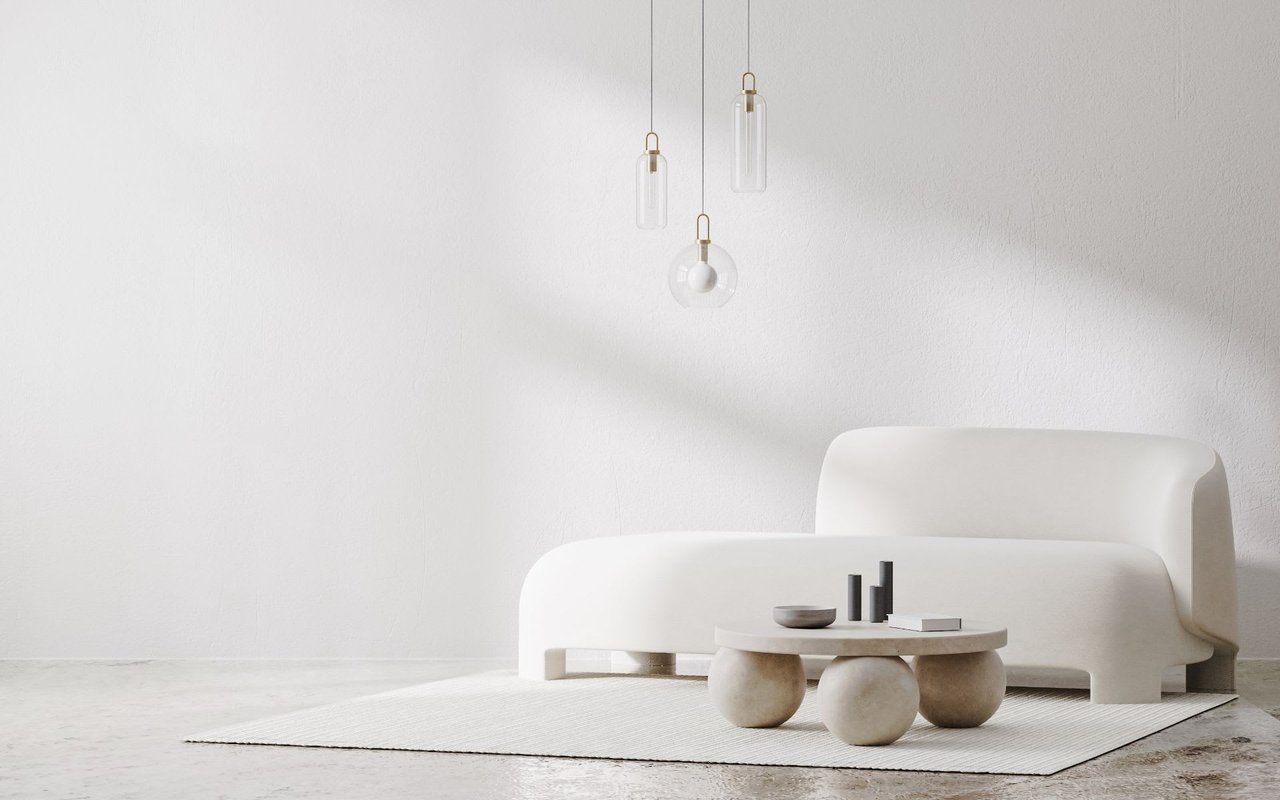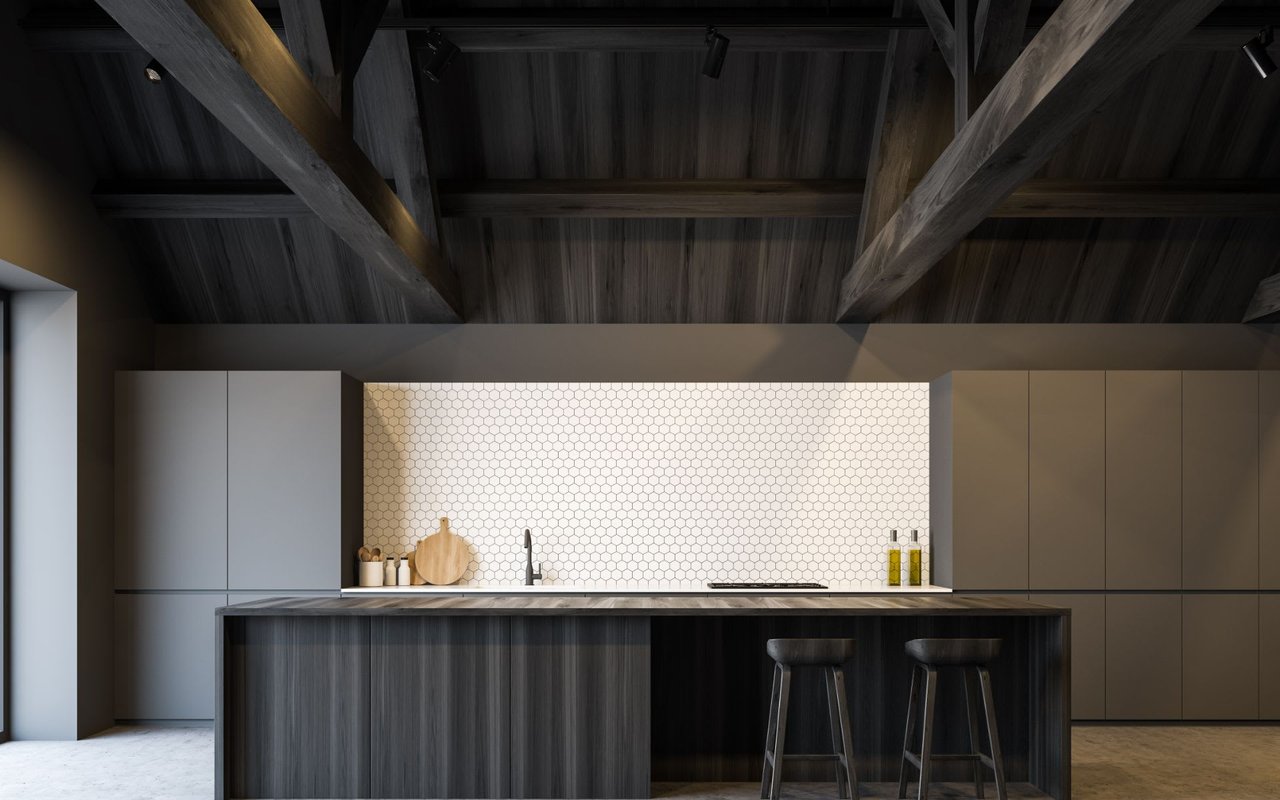
Luxury real estate has long been defined through what can be seen.
Architectural form, natural light, material finishes, expansive views, and carefully designed landscapes are among the most visible qualities used to communicate the value of a residence. Buyers are often introduced to a property through photography, video tours, and architectural details that emphasize visual impact.
But some of the most influential characteristics of a home cannot be captured in an image.
The sound of traffic beyond the property line. The echo inside a double-height living room. The noise traveling between bedrooms. The hum of mechanical systems. The sound of rain against glass. The level of separation between a home office and the rest of the household.
These experiences shape how a property feels, even when they are rarely included in the marketing narrative.
As luxury buyers become more attentive to comfort, privacy, wellness, and the quality of everyday living, acoustic design deserves a more central position in residential planning. A home that looks exceptional but performs poorly acoustically can become frustrating over time. Conversely, a residence with carefully considered sound management can create a sense of calm that is difficult to quantify but immediately noticeable.
This introduces a different interpretation of luxury.
The quality of a residence is not determined only by what it allows its occupants to see, but also by what it allows them to hear, and what it helps them leave unheard.
The Invisible Experience of a Home
A property can make an impressive first impression through its architecture, landscape, and interior design. However, the longer-term experience of ownership is influenced by a wide range of details that may not be immediately visible.
Sound is one of them.
A home may feature beautiful open-plan living areas, but conversations can become difficult when sound travels across hard surfaces. A primary suite may have expansive views, but its location near a busy road or active entertainment area may compromise rest. A home office may appear secluded, but insufficient acoustic separation can make concentration difficult.
These issues are not necessarily signs of poor construction. They may result from design decisions that prioritize visual openness, material continuity, or spatial drama without fully considering sound behavior.
Modern luxury residences often use stone, glass, concrete, metal, and other hard materials. These surfaces can create a refined aesthetic, but they may also reflect sound rather than absorb it. Large open spaces can enhance visual connection while allowing noise to travel across considerable distances.
The challenge is not to eliminate sound entirely.
A home should feel alive. Conversations, music, movement, and outdoor activity are part of residential life. The objective is to establish a balanced acoustic environment in which sound is controlled according to the function of each space.
A dining room may benefit from energy and conversation. A bedroom may require greater quiet. A media room may need containment. A home office may require privacy. A terrace may be designed to accommodate social activity without disturbing neighboring rooms.
Each area has a different acoustic purpose.
Silence as a Form of Luxury
Silence is often associated with remote locations, private estates, and properties surrounded by natural landscapes. Yet geographical isolation alone does not guarantee acoustic comfort.
A residence can be located in a desirable neighborhood and still experience unwanted sound from roads, aircraft, nearby construction, mechanical equipment, or neighboring properties.
This is particularly relevant in active metropolitan and coastal environments, where accessibility and connectivity are part of the appeal.
South Florida offers a diverse range of residential settings, from urban neighborhoods and golf communities to waterfront developments and larger inland properties. Each setting introduces different acoustic conditions.
A waterfront residence may benefit from the sound of water and natural surroundings, while also being exposed to wind, boat activity, or nearby entertainment. An urban property may offer convenient access to restaurants, cultural venues, and business districts, but require more deliberate strategies for managing external noise.
The location remains important, but the design response matters as well.
Building orientation, window specifications, insulation, landscaping, setbacks, and the placement of bedrooms and living areas can influence how sound enters and moves through a property.
Silence, in this context, is not simply the absence of all noise. It is the ability to control the acoustic environment so that unwanted sounds do not dominate the experience of living in the home.
For some buyers, this may be one of the most valuable forms of comfort a property can provide.
Open-Plan Living and Acoustic Complexity
Open-plan design has become a defining feature of contemporary luxury homes. It can create a sense of scale, improve visual connectivity, and allow natural light to move through the main living areas.
However, openness can also create acoustic challenges.
Without sufficient separation, sounds generated in the kitchen can travel into the living room. Conversations during gatherings can spread across the entire floor plan. Television audio, household movement, and appliances may compete with one another.
The issue is not that open-plan design is inherently unsuitable. It is that visual openness and acoustic openness are not always the same thing.
A well-designed residence can maintain a sense of connection while introducing subtle methods of sound management.
These may include:
- Strategic ceiling treatments
- Upholstered furniture and textiles
- Acoustic wall panels integrated into the design
- Rugs and layered floor finishes
- Partially enclosed zones
- Sliding or pivoting partitions
- Changes in ceiling height
- Transitional spaces between active and quiet areas
- Carefully placed cabinetry and shelving
The most effective solutions do not necessarily appear technical. They can be incorporated into the architecture and interior design so that the home maintains its visual character.
A space can remain open to the eye while being more controlled in how sound travels through it.
This distinction is increasingly important for homeowners who want both social connectivity and moments of separation.
Material Selection and the Behavior of Sound
Materials play a significant role in the acoustic experience of a residence.
Hard surfaces such as marble, polished concrete, glass, and stone can contribute to a sophisticated visual language. They are durable, tactile, and often associated with high-end architectural design. However, when used extensively without balancing materials, they can increase reverberation.
Reverberation occurs when sound continues to reflect within a space after the original sound has been produced. In certain settings, a controlled amount of reverberation can contribute to atmosphere. In others, it can make conversations less clear and create an uncomfortable sense of noise.
Soft materials can help moderate these effects.
Curtains, rugs, upholstered seating, acoustic fabrics, wood treatments, and other absorptive surfaces can reduce reflections and support a more balanced environment.
The objective is not to cover every surface with soft finishes. That would compromise the visual and tactile qualities that many luxury buyers seek. Instead, material selection should consider the combined performance of the room.
A stone floor may be balanced by a textured rug. A glass wall may be complemented by curtains or acoustic treatments. A large ceiling may incorporate architectural elements that help manage sound while adding visual interest.
The best approach treats acoustics as part of the design process rather than as a correction made after the interior has been completed.
The Primary Suite and Acoustic Privacy
The primary suite is often designed as a private retreat within the home. Its proportions, views, materials, and amenities are carefully considered to create a sense of separation from the rest of the property.
Acoustic privacy is an important part of that separation.
A bedroom may be positioned away from the main entertaining areas, but sound can still travel through adjoining walls, hallways, plumbing systems, doors, and mechanical equipment.
The location of the primary suite should therefore be evaluated alongside its construction and surrounding spaces.
A suite adjacent to a home theater, kitchen, staircase, or outdoor entertaining area may require additional acoustic planning. Similarly, bedrooms positioned above garages, near elevators, or next to mechanical rooms may be affected by operational noise.
Doors and wall assemblies can influence how effectively sound is contained. The placement of bathrooms, dressing rooms, corridors, and storage areas can also provide transitional zones between the bedroom and more active parts of the home.
These details may not be obvious during a brief property tour, particularly when the home is quiet and unoccupied.
For buyers, the evaluation process should include consideration of how the residence performs at different times of day. A property that feels peaceful during an afternoon showing may have a different acoustic character during evening gatherings, early-morning traffic, or periods of increased activity in the surrounding area.
Privacy is not only a visual condition. It is also an acoustic one.
Designing for Work, Concentration, and Conversation
The modern luxury residence often includes spaces that support professional work, creative activity, study, or remote communication.
A home office may require more than an attractive desk and a well-positioned window. It may need sufficient acoustic separation to support calls, focused work, confidential conversations, and sustained concentration.
The requirements vary according to how the room is used.
An office for occasional administrative tasks may not need the same level of acoustic control as a space used for frequent video conferences or private business discussions. A music room, recording space, or creative studio introduces an entirely different set of considerations.
The location of the room is an important starting point.
Placing an office away from the main circulation paths can reduce interruptions. A buffer zone, such as a hallway, storage room, or bathroom, may help separate the workspace from noisier areas. Door construction, wall insulation, and the positioning of mechanical systems can further influence performance.
The visual design of the office should also support its acoustic function.
A room filled with hard surfaces may look clean and minimal, but it can produce excessive reflections during calls. Curtains, bookshelves, upholstered seating, and carefully selected wall finishes can contribute to a more comfortable sound environment without compromising the room’s professional appearance.
As residential spaces continue to support multiple aspects of life, acoustic planning becomes a practical consideration for both productivity and privacy.
The Home Theater Is Not the Only Entertainment Space
Dedicated home theaters have become familiar features in luxury real estate, but acoustic design extends far beyond cinematic rooms.
Many residences now include spaces for music, gaming, private performances, listening, or informal gatherings. Some owners may want a dedicated listening room, while others may prefer an integrated audio system throughout the home.
Each approach requires a different design response.
A theater may need sound isolation to prevent audio from disturbing other areas of the home. A listening room may require precise acoustic treatment to improve sound quality. A music room may need to accommodate instruments, performance, and reverberation in a way that suits the owner’s interests.
An integrated audio system introduces another consideration: how sound is distributed throughout the property.
The system should support the way the home is used rather than simply maximize the number of speakers. Different rooms may require independent controls, while outdoor areas may need carefully directed sound to limit disruption to neighboring spaces.
This is especially important in properties where entertaining is a central part of the lifestyle.
Music on a terrace, for example, can contribute to an enjoyable gathering, but its volume and direction should be considered in relation to bedrooms, adjacent properties, and the surrounding environment.
Technology can provide flexibility, but the underlying architectural planning remains essential.
The Relationship Between Indoor and Outdoor Sound
South Florida homes often emphasize a strong relationship between interior and exterior spaces.
Large openings, covered terraces, outdoor kitchens, pools, gardens, and entertainment areas are frequently designed as extensions of the main residence. This creates a more fluid living experience, but it also complicates sound management.
Outdoor areas do not contain sound in the same way as enclosed rooms. Music, conversation, mechanical equipment, and activity can travel across open spaces and potentially affect neighboring areas.
Landscape design can play a role in shaping the acoustic experience.
Planting, earth contours, walls, fences, and architectural screens may help define outdoor zones, although their effectiveness depends on their density, placement, and construction. Decorative landscaping alone should not be assumed to provide significant sound isolation.
The location of outdoor amenities also matters.
A poolside entertainment area positioned directly outside a bedroom may create a different ownership experience from one located farther away or separated by landscape and architectural buffers. Similarly, an outdoor kitchen placed beside a quiet reading terrace may create competing uses.
The objective is to organize the property so that active and quiet spaces can coexist.
A well-planned landscape does not need to eliminate all sound. It should create a sequence of environments that support different activities without allowing one function to overwhelm the rest of the property.
Mechanical Systems and the Sound of Comfort
Luxury homes often include sophisticated mechanical systems, including advanced climate control, filtration, ventilation, elevators, generators, pool equipment, and specialized environmental systems.
These technologies contribute to comfort and functionality, but they can also produce sound and vibration.
Mechanical noise may be most noticeable at night, when the rest of the home is quiet. Equipment positioned near bedrooms, offices, or entertainment spaces can affect the experience of the property even when the systems are operating correctly.
Acoustic planning should therefore be considered alongside mechanical design.
Equipment placement, vibration isolation, ductwork, access panels, and maintenance routes can influence the sound produced by a system. The design should also account for how equipment will operate under different conditions, including periods of high demand.
The goal is not simply to select quieter equipment. It is to create an integrated system in which mechanical performance and acoustic comfort are addressed together.
This can be particularly important in larger residences with multiple zones and specialized systems. A home may be visually serene while relying on substantial infrastructure behind the walls and ceilings.
When that infrastructure is well planned, it supports the experience without becoming a constant presence.
Acoustic Design and the Value of Privacy
Privacy is often discussed in terms of gates, setbacks, landscaping, and visibility from neighboring properties. These factors remain important, but acoustic privacy adds another layer.
A residence may be visually protected while still allowing conversations to travel beyond the intended space. Outdoor seating areas may be shielded from view but exposed to surrounding activity. Bedrooms may have no direct visual connection to neighboring homes yet remain affected by external sound.
This is why privacy should be evaluated through multiple senses.
Acoustic separation can be supported through building orientation, material selection, window design, landscaping, and the positioning of rooms. However, the effectiveness of each strategy depends on the specific conditions of the property.
For example, a dense landscape may create visual screening without significantly reducing sound. A large wall may block some direct noise while reflecting sound toward another area. A closed window may reduce external noise, but its performance depends on construction and installation.
The best approach is not based on a single feature.
It requires an understanding of how sound moves through the property and how the different design elements work together.
For luxury buyers who place a high value on discretion, this can be an important part of the due diligence process.
The Importance of Experiencing a Property in Real Conditions
A property tour typically focuses on visual impressions. Buyers examine the finishes, proportions, views, amenities, and overall condition of the residence.
Acoustic performance is more difficult to evaluate in a short visit.
A home may be quiet because nearby roads are less active at the time of the showing. Outdoor areas may not be in use. Mechanical systems may not be operating under normal demand. Neighboring properties may be unoccupied.
This makes it useful to consider the property across different conditions.
Where possible, buyers may want to visit at different times of day, spend time in bedrooms and workspaces, and pay attention to the sound environment with doors and windows in their normal positions.
Questions may include:
- Is traffic audible from the main living areas or bedrooms?
- Can conversations travel between key rooms?
- Are mechanical systems noticeable?
- Does the outdoor entertainment area affect the quieter parts of the property?
- Are there nearby sources of recurring noise?
- How does the property feel when the home is fully occupied?
- Are there areas where sound becomes unusually reflective or amplified?
These observations do not replace professional acoustic assessment when needed, but they can help buyers identify questions that deserve further investigation.
The purpose is not to demand absolute silence. It is to understand whether the property’s acoustic character aligns with the intended lifestyle.
Renovation and the Opportunity to Improve Acoustic Performance
Acoustic improvements do not always require a complete architectural redesign.
During renovation, owners may have opportunities to address specific problem areas. These could include upgrading doors, improving wall assemblies, adding acoustic treatments, relocating noisy equipment, modifying room layouts, or introducing more effective window systems.
The appropriate solution depends on the source of the sound and the desired outcome.
Sound absorption and sound isolation are not the same. Absorptive materials help manage reflections within a room, while isolation strategies aim to reduce the transfer of sound between spaces. Treating one problem with the wrong solution may produce limited results.
For example, adding decorative panels may improve the echo inside a room but do little to prevent noise from entering through an adjoining wall. Similarly, replacing interior finishes may not resolve a mechanical vibration issue.
A successful renovation begins with identifying the actual source of the problem.
This is where specialist assessment can be valuable. Rather than relying on assumptions, owners can determine whether the issue involves airborne sound, impact noise, vibration, reverberation, or external transmission.
The result can be a more targeted investment, with improvements designed around the property’s specific conditions.
Acoustic Quality as a Long-Term Design Consideration
Some luxury features are immediately visible when a property is completed. Others reveal their value gradually through daily use.
Acoustic quality belongs to the second category.
A well-designed sound environment may not generate the same immediate reaction as a dramatic staircase, a waterfront view, or a statement kitchen. Its value becomes more apparent through repeated experiences: sleeping without disruption, holding a private conversation, working without distraction, listening to music comfortably, or hosting guests without sound spreading throughout the entire residence.
These benefits can influence how a property is experienced over many years.
Acoustic design also reflects a broader shift in the way luxury is understood. Instead of focusing exclusively on scale and visual impact, buyers are increasingly attentive to the quality of their everyday environment.
The most successful residences address this through a combination of architecture, materials, technology, and thoughtful planning.
The result is not necessarily a home that feels silent. It is a home where sound is appropriate to the space and the moment.
A More Complete Definition of Residential Comfort
Comfort is often associated with temperature, furniture, lighting, and spatial proportions. Acoustic conditions should be considered part of the same conversation.
A room can be beautifully furnished but difficult to use if conversations are unclear. A bedroom can be spacious but uncomfortable if external noise is constant. A home office can be visually impressive but ineffective if sound interruptions are frequent.
These experiences demonstrate that luxury is multi-sensory.
The quality of a residence depends on how it performs across a range of conditions, not simply how it appears in a still image.
For architects, designers, and property owners, this creates an opportunity to approach residential planning with greater precision. Sound should be considered alongside light, air, material, movement, and privacy.
A home that performs well across these dimensions can feel more cohesive and more responsive to the people who live in it.
MMGLuxury Perspective
At MMGLuxury, evaluating a luxury property involves looking beyond its visible features and understanding how the residence supports the buyer’s actual lifestyle.
Acoustic performance is one of the details that can be overlooked during a conventional property search, particularly when attention is focused on architectural design, views, finishes, and amenities.
However, the sound environment can influence everyday comfort in meaningful ways. Buyers may have different priorities depending on whether they value quiet bedrooms, private workspaces, frequent entertaining, music, outdoor living, or separation between family and guest areas.
The right property should be considered in the context of these priorities.
Location, construction, room placement, mechanical systems, landscaping, and renovation potential can all influence the acoustic experience. Understanding these factors helps buyers evaluate whether a residence is suited not only to their aesthetic preferences, but also to the way they intend to live.
Our role is to help clients examine the broader relationship between a property’s design, its surroundings, and their long-term objectives. The most suitable home is not defined by a single feature. It is the one whose qualities align with the buyer’s priorities and expectations.
Final Thought
Luxury is often communicated through visual impact, but some of its most meaningful qualities are experienced through the senses that photography cannot capture.
The sound of a room, the separation between spaces, the quiet of a bedroom, and the controlled atmosphere of a private retreat all contribute to the way a home feels over time.
Acoustic design brings attention to these less visible dimensions of ownership.
It encourages architects, designers, and buyers to consider not only how a residence looks, but how it performs when people live, work, rest, and gather inside it.
The finest luxury homes do not simply create beautiful surroundings. They create environments that respond thoughtfully to the full experience of living.
Sometimes, the most valuable feature of a residence is not the sound it produces.
It is the quiet it makes possible.
#MMGLuxury #LuxuryRealEstate #SouthFloridaRealEstate #LuxuryHomeDesign #AcousticDesign #ArchitecturalAcoustics #LuxuryLifestyle #ResidentialArchitecture #LuxuryHomes #HomeComfort #AcousticPrivacy #SouthFloridaLuxuryHomes #RealEstateInsights #MelissaMillerGroup