Luxury residential design has entered an era of abundance.
Private cinemas, resort-style pools, outdoor kitchens, wellness suites, wine cellars, golf simulators, sports courts, smart-home systems, rooftop terraces, temperature-controlled garages, and fully equipped entertainment spaces have become familiar components of high-end property marketing. In many markets, a home is presented not simply as a residence, but as a private destination with the facilities of a boutique resort.
The appeal is understandable. A well-designed amenity can make everyday life more convenient, create opportunities for entertaining, support personal interests, and reduce the need to leave home for leisure. The strongest features are not merely decorative. They become part of the way residents live.
However, luxury ownership becomes more complex when the number of amenities grows faster than their usefulness.
Every additional feature introduces considerations involving installation, maintenance, staffing, energy consumption, insurance, replacement cycles, technical support, and future adaptability. Some amenities remain valuable for decades. Others become underused, outdated, or expensive to preserve. A space that initially distinguishes a property may eventually become a financial and operational responsibility.
This creates an important distinction within the luxury market: the difference between an amenity-rich home and a well-planned home.
The distinction is not an argument against extensive amenities. Rather, it is a reminder that luxury should be assessed through the full ownership experience, not solely through the number of features included in a property description.
The most successful residences understand that amenities work best when they are proportionate to the property, the environment, the household, and the long-term demands of ownership.
The Amenity Arms Race
Luxury real estate is naturally influenced by comparison.
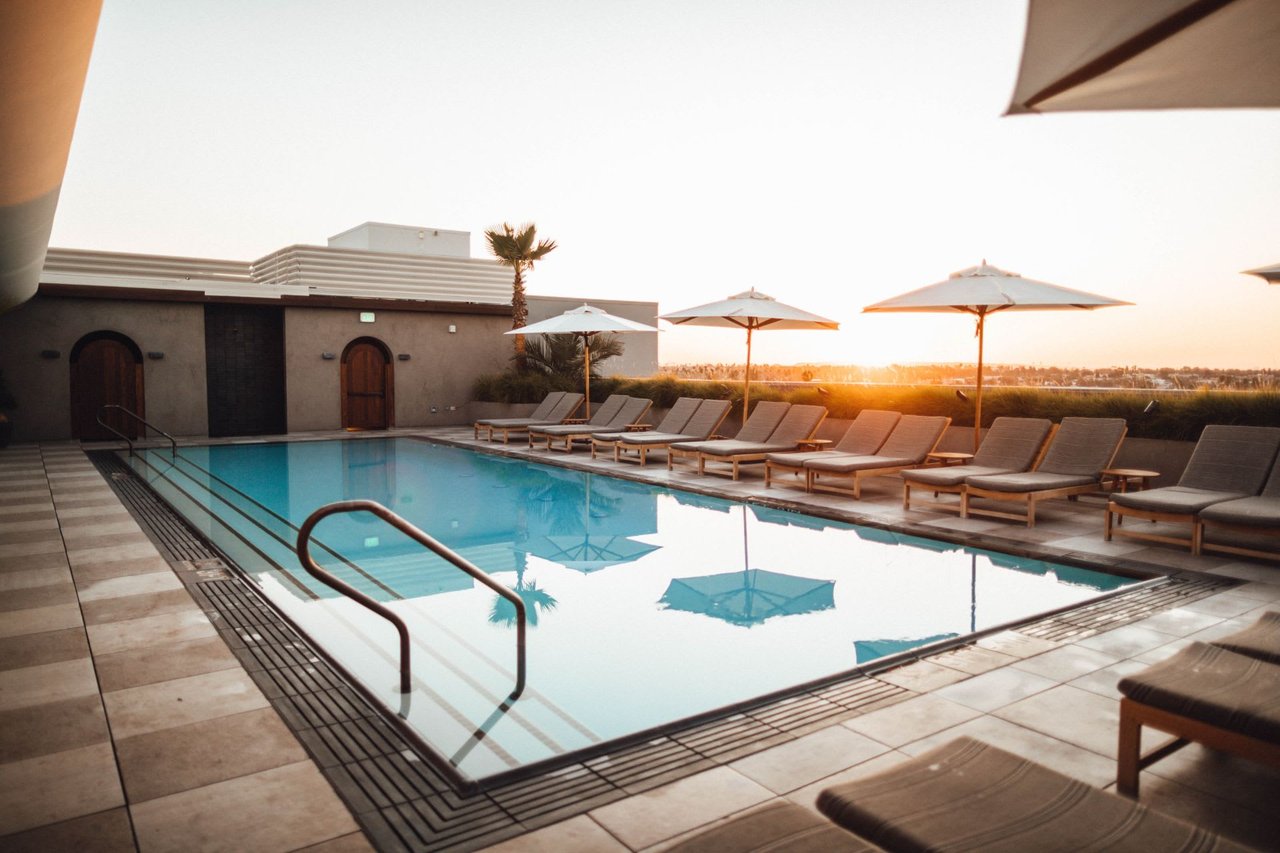
When one residence introduces a private spa, another may add a wellness suite. When one property offers a home theater, a neighboring development may introduce a screening room with upgraded acoustics and automated seating. A resort-style pool can lead to a larger pool deck, a more elaborate outdoor kitchen, or a complete outdoor entertainment compound.
This process can create what might be described as an amenity arms race, where properties compete through the scale and quantity of their offerings.
The result is a form of residential escalation. Features that once appeared exceptional become expected in certain segments, while developers and homeowners search for increasingly distinctive additions to separate one property from another.
The challenge is that market differentiation does not always correspond with long-term utility.
An amenity can be impressive during a viewing and remain rarely used after the purchase. A private theater may be attractive in a brochure but become a room that requires specialized equipment, climate control, and periodic upgrades. A large outdoor entertaining area may be ideal for certain households but less practical when the property is occupied by only a few residents for most of the year.
The question is not whether the feature is desirable in isolation. The question is whether it has a meaningful role within the life of the home.
Luxury buyers and sellers benefit from looking beyond the initial impression and considering the entire cycle of ownership.
The Difference Between Attraction and Utility
An amenity typically creates value in one of three ways.
It can improve convenience, support a recurring activity, or strengthen the overall experience of the property.
Convenience-based features include thoughtfully positioned storage, practical service areas, efficient parking, well-planned laundry spaces, and technology that simplifies daily tasks. These elements may not create the strongest visual reaction during a showing, but they can influence how comfortably a home functions every day.
Activity-based amenities support a specific lifestyle. A serious swimmer may place substantial value on a well-designed pool. A frequent host may benefit from a professional-grade kitchen and an outdoor dining area. A collector of automobiles may require specialized vehicle storage, while someone who works from home may prioritize a quiet, dedicated office.
Experience-based features contribute to the atmosphere of the residence. Gardens, terraces, water elements, fireplaces, shaded outdoor rooms, and carefully planned gathering areas can influence how residents experience time at home.
The strongest amenities often serve more than one purpose.
A covered terrace can support dining, relaxation, and informal entertaining. A flexible media room can be used for film screenings, family gatherings, presentations, or quiet recreation. A pool area can function as both a recreational space and a central landscape element when its scale and placement are carefully considered.
By contrast, an amenity designed around a narrow use case may become less valuable if the household’s needs change.
This is particularly relevant in luxury properties, where the cost of creating a specialized space can be substantial. The more expensive the feature, the more important it becomes to evaluate its frequency of use, adaptability, and maintenance requirements.
The Full Cost of a Feature
The purchase price of a luxury home rarely captures the complete financial implications of its amenities.
A feature has an initial cost, but it also has a continuing ownership profile. That profile can include routine maintenance, utilities, replacement parts, repairs, cleaning, inspections, specialist services, and eventual modernization.
The financial impact varies considerably depending on the type of amenity.
A swimming pool requires regular cleaning, chemical balancing, equipment maintenance, and periodic repairs. An outdoor kitchen introduces appliances, plumbing, surfaces, and weather exposure. A home theater may require technical maintenance, equipment replacement, acoustic treatment, and climate control. A landscaped estate can demand ongoing irrigation, pruning, pest management, lighting maintenance, and seasonal care.
None of these obligations automatically reduces the value of the amenity. In many cases, they are simply part of the cost of maintaining a high-quality property.
The important issue is whether the owner understands those obligations before purchasing.
A feature that is frequently used and central to the household’s lifestyle may justify its operating cost. Another feature that is rarely used may become difficult to defend over time, particularly when multiple amenities compete for the same maintenance budget.
Luxury ownership therefore requires a broader assessment than acquisition price alone.
The relevant question becomes:
What will this feature cost to operate, preserve, update, and eventually replace, and how much value will it provide in return?
When Amenities Become Operational Systems
Some amenities are not isolated features. They are systems that affect several areas of the property simultaneously.
A large pool may influence water management, landscape planning, safety requirements, lighting, drainage, and outdoor circulation. A wellness area may involve ventilation, plumbing, temperature control, specialized surfaces, and equipment maintenance. A smart-home system may connect lighting, security, climate, audiovisual equipment, access control, and automated shading.
The more integrated the system, the more important coordination becomes.
A home may appear technologically advanced while depending on a complicated network of components that require specific expertise to maintain. If documentation is incomplete or replacement parts become difficult to source, the experience of ownership can become more demanding than anticipated.
This is where design quality and operational planning intersect.
The best luxury homes are not simply filled with systems. They are designed so that those systems can be accessed, serviced, updated, and understood without unnecessary disruption to the household.
Equipment rooms need sufficient clearance. Mechanical components require logical organization. Service access should be considered during the planning stage rather than added as an afterthought. Technology should be supported by clear documentation and a realistic plan for future upgrades.
The objective is not to remove complexity entirely. High-performance residences will always require specialized systems. The objective is to ensure that complexity remains manageable.
The Problem of Underused Luxury
One of the most overlooked issues in amenity planning is the gap between anticipated use and actual use.
During the design or purchase process, homeowners may imagine hosting frequent gatherings, using a gym every morning, screening films several nights a week, or spending long afternoons in an outdoor entertainment area.
Over time, daily routines may change.
Work schedules, travel, family circumstances, personal interests, and household composition can all influence how a residence is used. A space that once appeared central to the lifestyle may become occasional or unnecessary.
This does not mean that every amenity must be used daily to justify its existence. Luxury includes the ability to enjoy spaces when the opportunity arises. A guest suite may be used infrequently but remain valuable when family visits. A theater may be used only a few times a month but still represent a meaningful source of enjoyment.
The distinction lies in whether the space remains intentionally valuable, rather than simply expensive to maintain.
Underuse becomes more consequential when a feature requires substantial resources despite limited engagement. A large, specialized facility may occupy valuable floor area while creating recurring costs. It may also limit the future options available to a buyer who would prefer a different use.
Adaptability can help reduce this risk.
A room designed for multiple functions may continue to serve the household as preferences evolve. A fitness space can potentially become a studio, office, or recreational room. A media room can support entertainment, meetings, or family activities. A formal dining room may also function as a private workspace or event preparation area when thoughtfully planned.
The value of flexibility is not that every room must perform every possible function. It is that the design should not unnecessarily restrict future use.
The Resale Question
Amenities are often introduced as selling points, but their resale value is not always straightforward.
A feature may be highly attractive to one buyer and irrelevant to another. Its perceived value can depend on location, household size, cultural preferences, maintenance expectations, and the availability of comparable properties.
Certain amenities have broad appeal because they contribute to everyday functionality or enhance the overall quality of the property. Others are more personal and may appeal to a narrower audience.
This creates a challenge for homeowners who invest heavily in specialized improvements.
A private recording studio, professional-grade sports facility, or highly customized entertainment room may be perfectly appropriate for the original owner. However, the next buyer may not share the same priorities. Converting the space could require additional investment, and the original cost may not be fully reflected in the resale price.
The issue is not that personalization is undesirable. Personalization is a central part of luxury ownership. The issue is that highly specific decisions should be made with an understanding of their potential effect on future flexibility.
A well-planned property can accommodate personal expression while retaining a degree of functional openness.
This may involve designing specialized spaces with independent access, maintaining appropriate ceiling heights, providing flexible electrical and mechanical infrastructure, or ensuring that rooms can be repurposed without extensive structural work.
The strongest design decisions often allow a property to feel personal without becoming unnecessarily restrictive.
The Importance of Usage Patterns
The relevance of an amenity depends heavily on how the household lives.
A residence intended for frequent entertaining may benefit from multiple gathering areas, efficient food preparation zones, guest circulation, and outdoor spaces that can be used across different seasons. A home designed for privacy and quiet may place greater emphasis on gardens, reading rooms, secluded terraces, and carefully separated activity zones.
A family with children may value durable recreational spaces and storage, while a household that travels extensively may prioritize security, remote monitoring, low-maintenance landscaping, and systems that can be managed efficiently while the property is unoccupied.
These differences illustrate why amenity planning should begin with usage patterns rather than a checklist of desirable features.
The same amenity can have very different value depending on the property’s context.
A large outdoor kitchen may be particularly useful in a home designed for frequent outdoor dining. A rooftop entertainment area may be less practical if it is exposed to uncomfortable weather conditions or requires difficult access. A private gym may be valuable when it is conveniently located and appropriately equipped, but less useful when it is isolated from the rest of the home or lacks ventilation and storage.
The best results emerge when the amenity is integrated into the household’s actual routines.
This approach also helps prevent unnecessary duplication. A property may contain several spaces intended for entertaining, but if they all serve the same purpose, the additional area may not create meaningful value. A smaller number of well-positioned spaces can sometimes support more varied use than a larger collection of specialized rooms.
Climate and Environmental Conditions
In South Florida, amenity planning must also respond to the environment.
Outdoor features are central to the region’s residential appeal, but their performance depends on exposure, weather patterns, materials, drainage, shading, and maintenance requirements.
A terrace that is beautiful in a photograph may be uncomfortable if it lacks appropriate shade. An outdoor kitchen may require carefully selected materials and equipment to withstand moisture, heat, and coastal conditions. Landscaping must be planned around irrigation, soil conditions, plant selection, and long-term maintenance.
Pool placement, outdoor furniture, lighting, and entertainment systems also need to be considered in relation to the property’s environment.
This does not diminish the value of outdoor living. Instead, it makes the design process more demanding.
The most successful outdoor amenities are not simply extensions of the interior. They are spaces designed for the specific conditions of their location.
Shade structures, covered transitions, durable materials, thoughtful drainage, and flexible seating can determine whether an outdoor area is used regularly or remains visually impressive but functionally limited.
Environmental suitability is therefore part of amenity value.
A feature that works well in one setting may perform differently in another. Buyers evaluating a luxury property should consider not only what is included, but how those features respond to the local climate and the practical realities of maintenance.
The Difference Between Display and Experience
Luxury marketing often emphasizes visual impact.
Large pools, dramatic staircases, expansive outdoor kitchens, striking lighting, and elaborate entertainment spaces can create a powerful first impression. These features photograph well and can help establish a property’s identity.
However, visual impact and everyday experience are not always identical.
A residence can contain impressive amenities while still feeling inconvenient to use. A pool may be beautiful but poorly connected to changing areas. An outdoor dining space may be expansive but exposed to excessive heat. A theater may be technically advanced but located far from the main living areas. A gym may contain expensive equipment but lack natural light, ventilation, or practical storage.
The quality of an amenity depends on the relationship between its appearance and its performance.
This is where circulation becomes important.
How do residents reach the space? Is it convenient to access from the main living areas? Can guests use it without moving through private portions of the home? Is equipment stored nearby? Can service personnel maintain the area without interrupting daily life? Does the feature connect naturally with other spaces?
These questions may not be immediately visible during a property tour, but they influence the quality of the experience.
Good design reduces friction.
The most successful amenities feel as though they belong exactly where they are located. They support the movement of people, objects, and activities without requiring excessive effort.
Amenity Planning and the Human Scale
Large properties can accommodate substantial amenities, but scale alone does not guarantee comfort.
A room can be oversized without feeling inviting. A terrace can be expansive without creating intimacy. A pool deck can accommodate large gatherings but feel empty during everyday use.
Human-scale planning considers how people actually occupy a space.
Seating arrangements, distances between activity areas, ceiling heights, lighting, acoustics, shade, and sightlines all contribute to how comfortable an amenity feels. A well-designed entertainment area may offer several levels of engagement, from a small conversation group to a larger gathering.
This is particularly relevant in luxury residences where the goal is often to support both private living and formal entertaining.
A property should be able to host an event without feeling unnecessarily oversized when only a few people are present. It should offer spaces that can expand and contract according to the occasion.
Flexible planning can be achieved through movable furniture, connected indoor and outdoor rooms, retractable partitions, adjustable lighting, and multiple seating configurations. These decisions allow a space to serve different needs without requiring additional specialized amenities.
The result is a home that feels active when occupied by many people and comfortable when used by only a few.
The Maintenance Hierarchy
Not all amenities deserve the same level of investment.
A practical approach is to establish a maintenance hierarchy based on importance, frequency of use, operational complexity, and consequences of failure.
Essential systems should receive consistent attention because their performance affects the entire property. These may include climate control, water management, security, electrical infrastructure, and structural or weather-related systems.
Frequently used amenities should also be maintained proactively. A pool, kitchen, elevator, or outdoor living area can quickly affect the daily experience when it is not functioning properly.
More specialized features may require a different approach. Their maintenance schedules should reflect actual use, equipment requirements, and the cost of replacement.
This hierarchy helps homeowners allocate resources more intelligently.
Without a clear maintenance plan, properties with extensive amenities can become reactive environments, where repairs are addressed only after a failure occurs. That approach may lead to greater disruption and higher costs over time.
Preventive maintenance is particularly important when several systems are interconnected. A small issue in one component may affect another, creating a larger problem if it is not addressed promptly.
Luxury ownership is not defined by the absence of maintenance. It is supported by the ability to manage maintenance in a predictable and organized way.
Designing for Replacement and Evolution
Every amenity has a lifespan.
Materials age. Appliances require replacement. Technology becomes outdated. Outdoor furniture deteriorates. Mechanical systems reach the end of their service life. Preferences change.
A property designed without these realities in mind may become difficult to update.
Forward-looking amenity planning considers how components can be replaced without requiring major reconstruction. Equipment should be accessible. Finishes should be durable and repairable. Technology should allow for upgrades rather than depending on systems that become obsolete quickly.
This is especially important for smart-home features and audiovisual installations.
Technology can improve convenience, but its long-term value depends on interoperability, support, documentation, and upgrade pathways. A system that functions well at installation may become difficult to maintain if it relies on discontinued components or proprietary arrangements.
The same principle applies to physical spaces.
A specialized room may remain useful for years if its dimensions, access points, lighting, and utilities allow it to be adapted. A room built around a highly specific installation may become more difficult to repurpose.
Designing for evolution does not mean sacrificing character. It means allowing the property to retain its relevance as circumstances change.
The Role of Professional Evaluation
A luxury property with extensive amenities requires a more detailed evaluation than a residence with fewer specialized features.
Buyers may benefit from reviewing the condition and age of major systems, maintenance records, equipment warranties, service agreements, renovation history, and any recurring operational requirements.
The purpose is not to discourage the purchase of a feature-rich home. It is to establish a clearer understanding of what ownership will involve.
A thorough evaluation may consider:
- The condition and expected lifespan of major equipment
- The cost and frequency of routine maintenance
- Availability of qualified service providers
- Energy and water consumption
- Accessibility of mechanical and technical systems
- Insurance considerations related to specific features
- Potential replacement or modernization costs
- Flexibility of specialized rooms
- Quality of drainage, shading, and outdoor materials
- Whether amenities are integrated into the property’s broader design
The importance of this process increases with the complexity and age of the residence.
A newer property may have updated systems but limited operating history. An older property may have established maintenance records but require modernization. A recently renovated home may combine new finishes with older mechanical infrastructure.
Each situation requires a different set of questions.
The goal is to evaluate the property as a complete operating environment rather than as a collection of attractive individual features.
The New Definition of Amenity Value
Amenity value is often discussed in terms of quantity.
How many facilities does the home offer? How large is the pool? Does it include a theater, gym, wine cellar, or outdoor kitchen? How extensive is the entertainment area?
These questions remain relevant, but they do not provide the full picture.
A more complete definition of amenity value includes five considerations:
Usefulness: Does the feature support the way residents actually live?
Integration: Does it connect naturally with the rest of the property?
Performance: Does it function effectively within its environmental and operational context?
Adaptability: Can it evolve as household needs and preferences change?
Ownership burden: Are its maintenance and replacement requirements proportionate to the value it provides?
A residence does not need to maximize every category equally. A highly specialized property may intentionally prioritize performance in a particular area. A private sports estate, for example, may require features that would be unnecessary in another type of home.
The key is alignment.
An amenity becomes more valuable when its purpose is clear, its design is considered, and its ownership implications are understood.
The South Florida Perspective
South Florida’s luxury residential market offers an especially broad range of amenity-driven properties.
Homes may be designed around waterfront living, outdoor entertaining, golf, boating, wellness, privacy, seasonal occupancy, or access to urban amenities. Each lifestyle creates different requirements for space, infrastructure, maintenance, and service.
A waterfront residence may place greater emphasis on dock facilities, water access, outdoor materials, and exposure management. A large inland estate may prioritize expansive grounds, recreational facilities, privacy, and event hosting. A city-based luxury residence may focus on rooftop amenities, secure parking, technology, and proximity to cultural or commercial destinations.
There is no universal amenity package that defines value across every property type.
A feature that is central to one buyer’s priorities may be secondary to another’s. The appropriate assessment depends on the relationship between the residence and the buyer’s intended use.
This makes local guidance particularly important.
Understanding a property involves more than identifying its visible features. It requires examining how those features fit the location, the surrounding environment, the property’s design, and the practical expectations of ownership.
The same amenity may carry different implications depending on the neighborhood, property scale, climate exposure, and availability of comparable homes.
A More Disciplined Approach to Luxury
The future of luxury residential design may not be defined by the greatest number of amenities.
It may be defined by greater precision.
Precision in deciding which features deserve space. Precision in understanding how systems operate. Precision in planning service access, maintenance, circulation, and replacement. Precision in matching the home to the habits and expectations of the people who will occupy it.
This does not represent a move away from comfort or indulgence. It represents a more complete understanding of what those qualities require.
A private spa can be a meaningful investment when it is well designed, appropriately maintained, and regularly used. An outdoor kitchen can enhance a residence when it is connected to the way the household entertains. A home theater can provide lasting enjoyment when it is designed for both technical performance and practical comfort.
The issue is not the presence of luxury features. It is the absence of intentionality behind them.
The most compelling residences do not simply offer more. They offer features that feel necessary, appropriate, and naturally integrated into the experience of living.
That is the difference between a home that displays luxury and a home that sustains it.
MMGLuxury Perspective
At MMGLuxury, evaluating a luxury residence involves looking beyond the headline features and understanding how the property supports the buyer’s intended lifestyle, expectations, and long-term plans.
Amenities can influence a home’s appeal, but their value depends on how they function within the larger property. A pool, outdoor kitchen, private gym, entertainment room, or specialized facility should be considered in relation to its condition, placement, maintenance requirements, and relevance to the buyer.
For buyers exploring South Florida properties, this perspective can help create a more complete understanding of the ownership experience.
The goal is not to count amenities. It is to assess their usefulness, integration, and long-term implications.
A well-informed decision considers both the enjoyment a property can provide and the responsibilities that come with preserving its performance.
Final Thought
Luxury is often communicated through abundance, but abundance alone does not guarantee quality.
A residence becomes more valuable when its amenities serve a clear purpose, operate effectively, and remain aligned with the way its owners live. The most successful features are not necessarily the most elaborate. They are the ones that continue to provide meaningful value after the excitement of the purchase has passed.
The future of luxury ownership will depend not only on what a home contains, but on how thoughtfully everything works together.
The most valuable amenity may be the confidence that every feature has a purpose, every system has a plan, and every element contributes to the experience of living well.
#LuxuryRealEstate #SouthFloridaRealEstate #LuxuryHomeDesign #LuxuryProperty #RealEstateInsights #LuxuryLiving #HomeOwnership #PropertyValue #SouthFloridaHomes #MMGLuxury