Understanding What Makes a Home Timeless
In luxury real estate, “timeless” is often used loosely, but it has a very specific meaning in practice. A timeless home is not defined by age or style alone. It is defined by its ability to remain emotionally and visually relevant regardless of changing market trends.
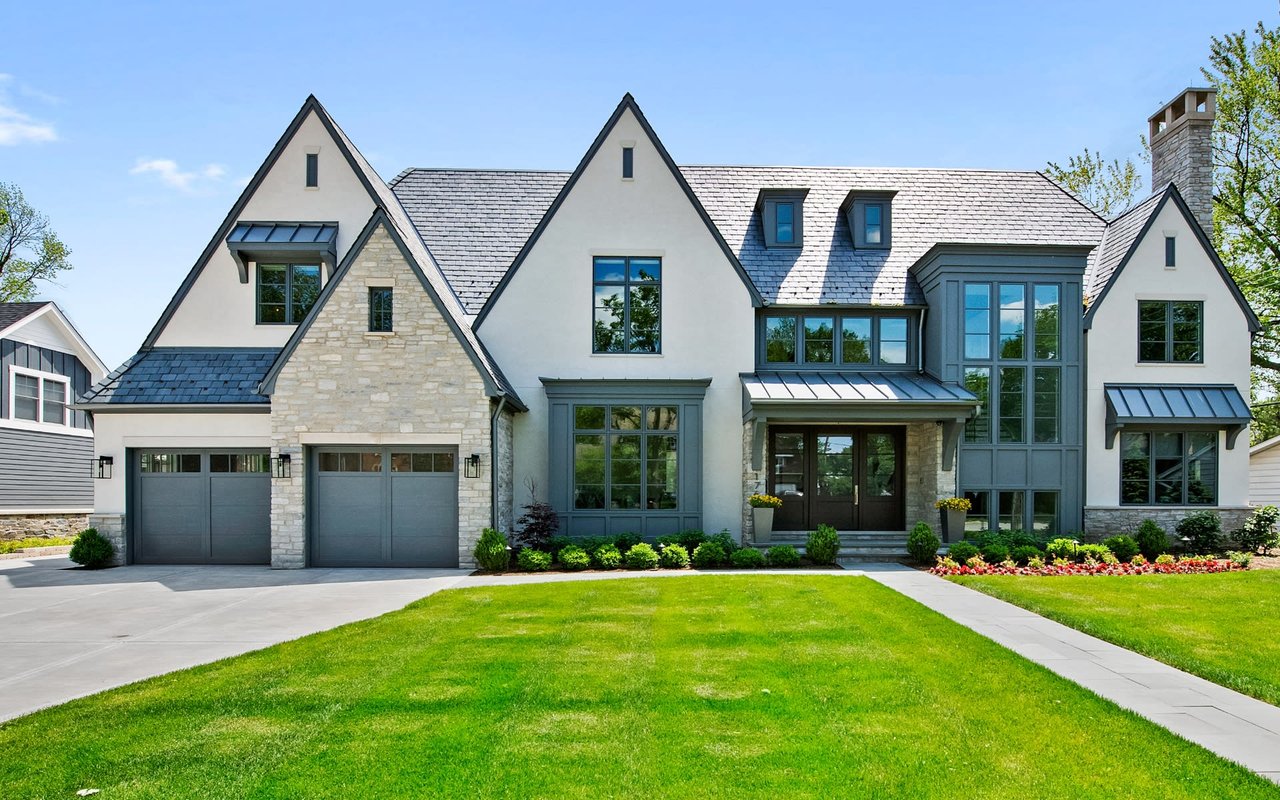
These properties do not rely on temporary design movements to feel desirable. Instead, they are grounded in architectural balance, proportion, and restraint. As a result, they continue to feel refined even as surrounding styles evolve.
Timeless luxury is not about avoiding modernity. It is about creating a foundation that does not lose meaning over time.
Why Trends Fade but Structure Remains
Design trends in luxury real estate change regularly. Materials, color palettes, and architectural preferences shift as new influences emerge in the global market.
However, structural design principles remain constant.
Homes that are built with strong structural thinking tend to outlast these changes because they are based on:
- Balanced proportions
- Logical spatial flow
- Functional layout planning
- Clear architectural hierarchy
When a home is built around structure first, style becomes secondary. This allows the property to adapt visually over time without losing its core identity.
In contrast, homes built primarily around trends often require significant updates once those trends fade.
The Role of Architectural Proportion
One of the strongest foundations of timeless luxury is proportion.
Well-proportioned homes create a natural sense of comfort. Spaces feel neither too large nor too confined, and movement through the property feels intuitive.
Proportion influences how buyers perceive:
- Room scale and usability
- Ceiling height balance
- Transition between spaces
- Overall spatial harmony
When proportion is correct, the home feels right even without explanation. Buyers may not consciously analyze it, but they respond to it emotionally.
Poor proportion, on the other hand, creates subtle discomfort that becomes more noticeable over time.
Materiality That Ages With Grace
Materials play a critical role in whether a home feels timeless or dated.
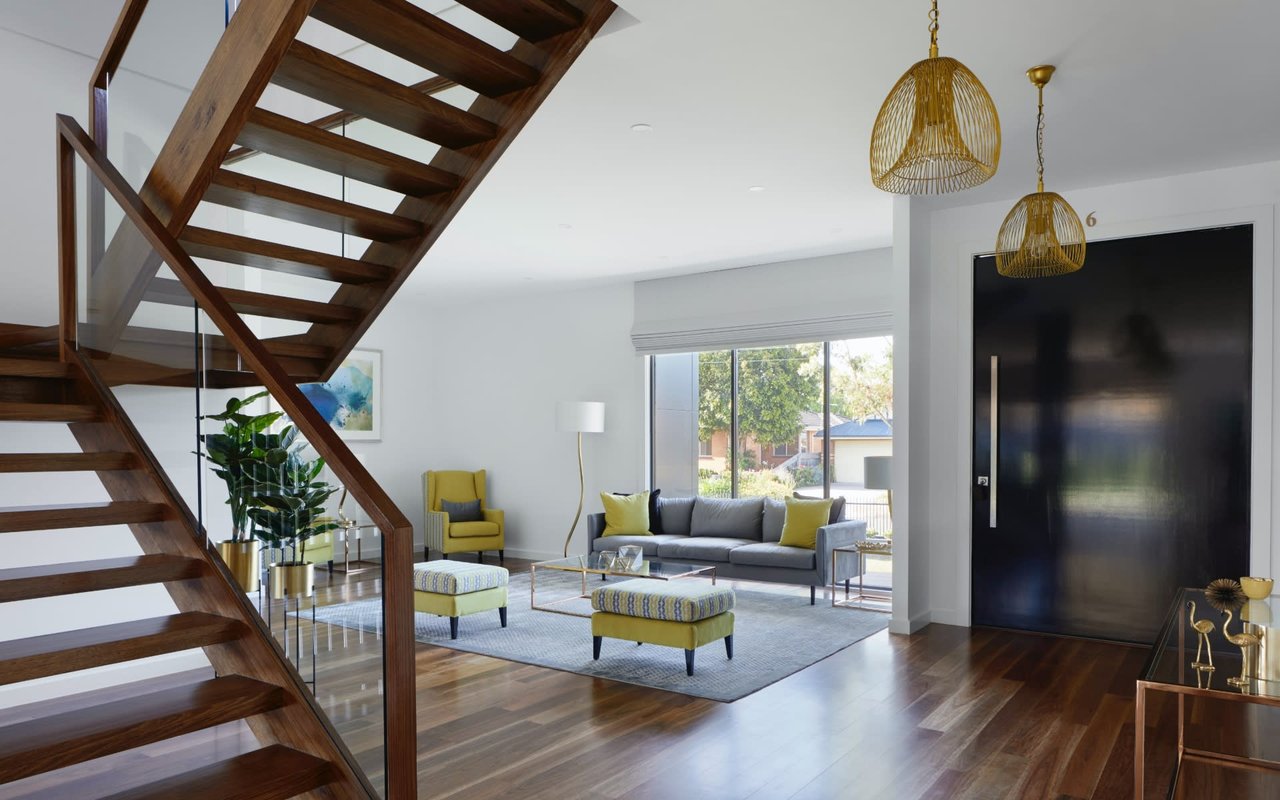
Timeless luxury homes often use materials that improve or stabilize visually over time rather than lose relevance quickly. These typically include natural, durable, and authentic elements.
Common examples include:
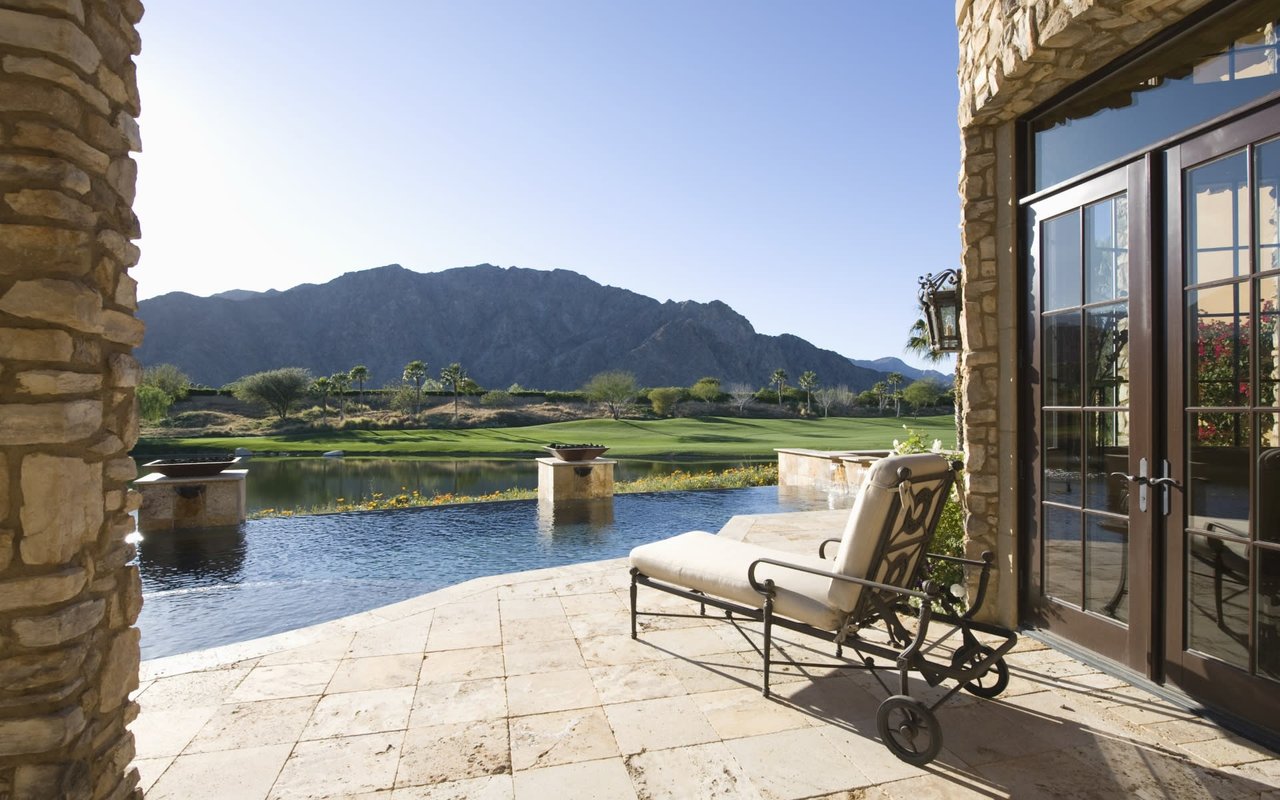
- Natural stone with organic variation
- Hardwood finishes with warm aging characteristics
- Neutral-toned plaster or textured surfaces
- Metals that develop character rather than degrade visually
These materials allow the home to evolve naturally with use and time, rather than requiring constant aesthetic correction.
Luxury buyers increasingly value materials that feel grounded and enduring rather than overly polished or synthetic.
Simplicity as a Long-Term Design Strategy
Simplicity is one of the most powerful indicators of timeless design, but it is also one of the most misunderstood.
In luxury real estate, simplicity does not mean minimal effort or lack of detail. It means intentional reduction of unnecessary complexity.
Timeless homes often:
- Avoid overly decorative elements
- Focus on clean architectural lines
- Use restraint in color and texture variation
- Maintain consistency across spaces
This creates clarity. Buyers can understand the home immediately, and that clarity remains stable over time.
Overly complex designs may initially impress, but they often lose coherence as trends shift or personal preferences change.
Why Timeless Homes Feel Easier to Live In
Beyond visual appeal, timeless luxury homes tend to function better for long-term living.
This is because they are designed with adaptability in mind. Instead of locking the home into a specific aesthetic moment, they allow the space to evolve with the owner.
This adaptability is supported by:
- Flexible layouts
- Neutral architectural frameworks
- Balanced indoor-outdoor transitions
- Multi-purpose spaces
As a result, the home remains useful across different stages of life without requiring major structural changes.
Luxury buyers increasingly value this kind of long-term usability over short-term visual impact.
Emotional Stability in Design
One of the most overlooked aspects of timeless luxury is emotional stability.
Certain homes create a consistent emotional response regardless of when or how they are experienced. This emotional stability comes from balance, quiet refinement, and predictable spatial harmony.
Buyers tend to experience:
- A sense of calm upon entry
- Reduced visual tension throughout the home
- A feeling of ease in movement and occupation
This emotional consistency is what allows a property to remain appealing long after first impressions fade.
Timeless homes do not rely on excitement—they rely on comfort and confidence.
Why Overdesigned Homes Lose Relevance Faster
Homes that prioritize visual intensity or highly specific design statements often struggle to maintain long-term relevance.
These properties can feel:
- Tied to a specific design era
- Difficult to update without major redesign
- Overly expressive in a way that limits flexibility
- Less adaptable to evolving buyer preferences
While they may generate strong initial attention, they often require more effort to sustain desirability over time.
Luxury buyers are increasingly aware of this and are prioritizing homes that offer longevity in both design and function.
Timeless Design and Market Resilience
Timeless luxury homes often perform more consistently in the market over time because they appeal to a broader range of buyers within the high-end segment.
This is not because they are generic, but because they are adaptable.
They:
- Maintain relevance across different buyer generations
- Reduce resistance caused by strong stylistic preferences
- Hold emotional appeal even as trends shift
This creates a form of stability that supports long-term desirability and positioning.
In luxury real estate, resilience often comes from simplicity and balance rather than complexity.
The MMGLuxury Perspective
At MMGLuxury, we evaluate luxury homes based on how well they maintain relevance beyond current trends.
Our focus includes:
- Assessing architectural proportion and spatial logic
- Identifying material choices that support longevity
- Understanding emotional consistency in the buyer experience
- Positioning properties based on enduring design value
Because in luxury real estate, true value is not only about how a home performs today—it is about how it continues to perform over time.
Final Thought
Timeless luxury homes are defined not by what is added, but by what is intentionally balanced, refined, and restrained.
They remain relevant because they are built on principles that do not change—proportion, clarity, functionality, and emotional comfort.
In high-end real estate, the most enduring homes are not the ones that follow trends, but the ones that quietly rise above them.
#MMGLuxury #LuxuryRealEstate #TimelessDesign #HighEndHomes #LuxuryLiving #ModernArchitecture #RealEstateStrategy