A Clear Shift in What Luxury Means
Luxury real estate is undergoing a noticeable shift. For many years, high-end property demand was strongly influenced by visible status—large estates, dramatic architecture, and highly expressive design choices that communicated wealth and exclusivity.
While these elements still exist in the market, they are no longer the primary drivers of decision-making.
Today’s luxury buyers are increasingly focused on experience. Instead of asking what a home says about them, they are asking how a home supports their daily life.
This shift is subtle but powerful, and it is redefining what “high-end” truly means.
From Display to Daily Living
One of the most important changes in the luxury market is the move away from homes designed primarily for display.
Previously, many luxury properties were evaluated based on:
- Visual impact
- Architectural statement
- Prestige of address
- Size and scale
Now, buyers are prioritizing how a home feels to live in on a daily basis.
This includes:
- Comfort and emotional ease
- Privacy and quietness
- Functional layouts
- Natural flow between spaces
A home is no longer just a symbol. It is an environment that must support a lifestyle consistently, not just impress during a viewing.
The Rise of Experience-Driven Luxury
Experience-driven luxury focuses on how a property performs emotionally and functionally over time.
Buyers are now valuing:
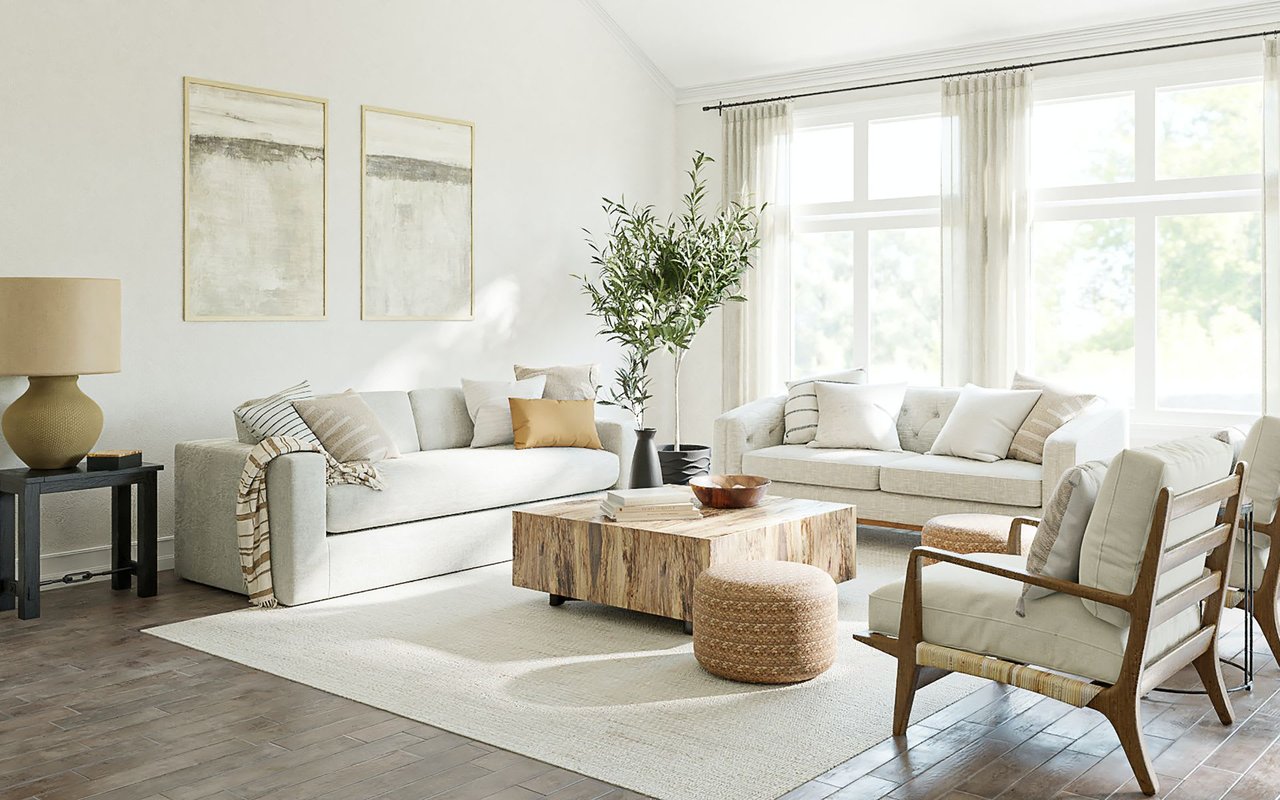
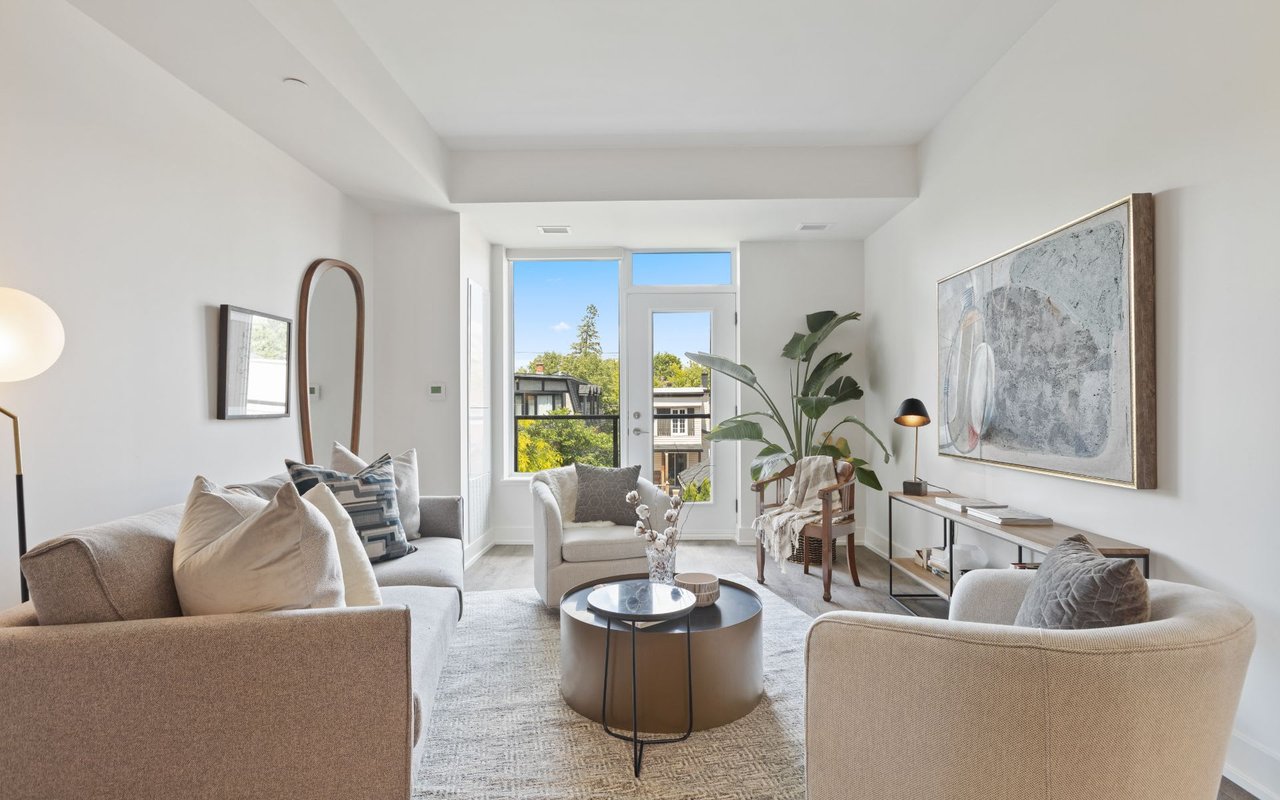
- Calm, balanced interiors over highly dramatic design
- Intuitive layouts over complex architectural statements
- Natural light and wellness-focused environments
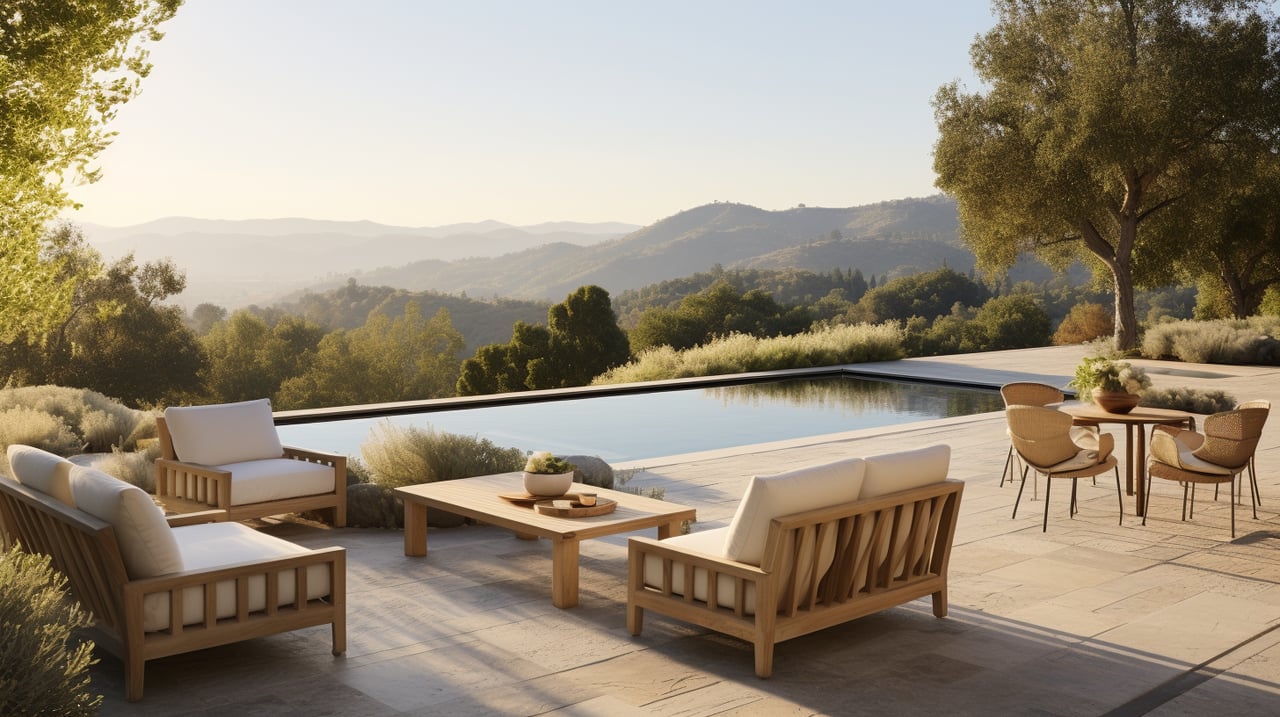
- Seamless indoor-outdoor living
This reflects a broader lifestyle shift where luxury is defined by how well a space improves daily living rather than how strongly it signals status.
In this context, the best luxury homes are those that feel effortless to occupy.
Why Emotional Comfort Is Now a Key Value Driver
Emotional comfort has become one of the strongest influences in luxury decision-making.
Buyers are increasingly aware of how environments affect:
- Stress levels
- Focus and productivity
- Rest and recovery
- Overall quality of life
Homes that provide emotional stability tend to create stronger long-term attachment. Buyers are not only investing in property—they are investing in how they feel within that property.
This is why homes with balanced architecture, soft material palettes, and thoughtful spatial design are performing strongly in the current market.
Functionality Over Excess
Another major trend shaping luxury real estate is the preference for functionality over excess.
Rather than prioritizing maximum scale or decorative complexity, buyers are now asking whether each part of a home serves a real purpose.
This shift has led to increased demand for:
- Flexible living spaces
- Integrated work and wellness areas
- Efficient storage and circulation
- Practical luxury that supports everyday routines
Excess without function is increasingly viewed as unnecessary. Luxury is now measured by how effectively a home works, not just how impressive it looks.
Privacy as a Core Expectation
Privacy continues to be a defining factor in luxury real estate, but its meaning has evolved.
It is no longer only about gated access or large estates. Privacy now includes:
- Acoustic separation between spaces
- Visual discretion within design
- Controlled exposure to surrounding environments
- Emotional privacy within the home itself
Buyers are seeking environments where they can fully disconnect from external pressure while remaining connected to comfort and lifestyle convenience.
Privacy is no longer a feature—it is an expectation.
The Global Influence on Luxury Preferences
The shift toward experience-driven luxury is also influenced by global lifestyle changes.
As buyers become more exposed to international markets, travel experiences, and wellness-focused living, their expectations for residential environments are rising.
They are comparing homes not only within local markets but against global standards of comfort, design, and livability.
This has raised the importance of:
- Wellness-oriented design
- Natural integration of indoor and outdoor spaces
- Timeless architectural quality
- Subtle but refined material selection
Luxury is becoming more universal in definition, rather than location-specific.
Why Simpler Luxury Is Gaining Strength
One of the most noticeable outcomes of this shift is the rise of simpler, more refined luxury design.
Instead of heavily detailed or visually dense homes, buyers are gravitating toward environments that feel:
- Calm
- Balanced
- Easy to understand
- Emotionally sustainable
This does not mean luxury is becoming minimal in value. It means luxury is becoming more intentional.
Every element within the home must contribute to the overall experience rather than compete for attention.
The MMGLuxury Perspective
At MMGLuxury, we recognize that luxury real estate is no longer defined by appearance alone.
Our approach focuses on:
- Understanding how buyers experience space emotionally and functionally
- Positioning properties based on lifestyle alignment and long-term livability
- Identifying design and market shifts that influence real buyer behavior
Because in today’s market, the strongest luxury homes are not just visually impressive—they are deeply livable.
Final Thought
Luxury real estate is moving toward a more human-centered definition of value.
Status still exists, but experience now leads the decision. Buyers are choosing homes that support how they live, not just how they are perceived.
In modern high-end real estate, the most valuable properties are the ones that quietly improve everyday life.
#MMGLuxury #LuxuryRealEstate #LuxuryTrends #HighEndHomes #LuxuryLiving #RealEstateStrategy #MarketInsights