Luxury real estate is often associated with construction.
New residences.
New amenities.
New restaurants.
New private clubs.
New infrastructure.
Growth is usually interpreted as a positive signal.
More investment suggests confidence.
More development suggests demand.
More amenities suggest a stronger lifestyle proposition.
But there is another side to the economics of luxury real estate that receives far less attention.
What a community chooses not to build.
The undeveloped parcel.
The protected coastline.
The preserved green space.
The low-density residential district.
The architectural restriction.
The land intentionally left open.
These decisions may appear to represent limitations.
In sophisticated luxury markets, they can represent some of the greatest sources of long-term value.
Because when everything can be developed, nothing remains truly distinctive.
Growth Is Not Always the Same as Progress
Real estate markets naturally respond to demand.
When more buyers arrive, developers build.
When businesses expand, infrastructure follows.
When land values rise, development pressure increases.
This process can create tremendous economic opportunity.
But luxury markets face a unique challenge.
The qualities that attract affluent buyers can be weakened by excessive growth.
A quiet waterfront community can become congested.
A low-density neighborhood can become overbuilt.
Open spaces can disappear.
Architectural identity can become fragmented.
The very characteristics that created demand can eventually be compromised by the demand itself.
This is why thoughtful restraint matters.
Scarcity Can Be Protected Through Planning
Scarcity is not always created by geography.
Sometimes it is created through deliberate planning.
Building restrictions.
Protected land.
Low-density zoning.
Height limitations.
Environmental regulations.
Historic preservation.
These policies can limit the amount of future inventory.
That limitation can help protect the qualities that make a luxury market distinctive.
The result is a form of scarcity created not by nature alone, but by collective decisions.
Open Space Has Economic Value
Open land is often treated as land that is not generating its maximum development potential.
Luxury markets can demonstrate the opposite.
Green space creates visual relief.
Parks enhance walkability.
Landscaped corridors strengthen neighborhood identity.
Protected natural areas improve environmental quality.
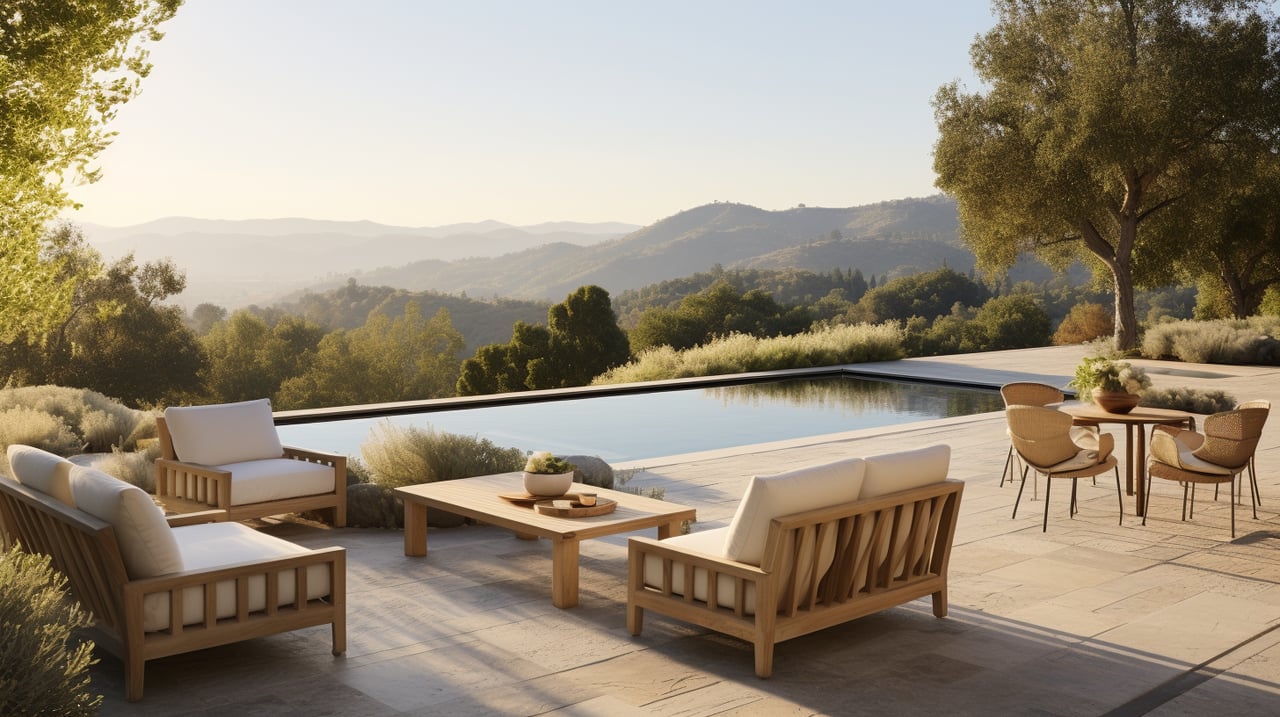
Waterfront buffers preserve views.
These spaces may not generate direct property revenue.
Yet they can increase the desirability of the properties surrounding them.
In this sense, non-development can create economic value.
Density Changes the Ownership Experience
Density is not inherently negative.
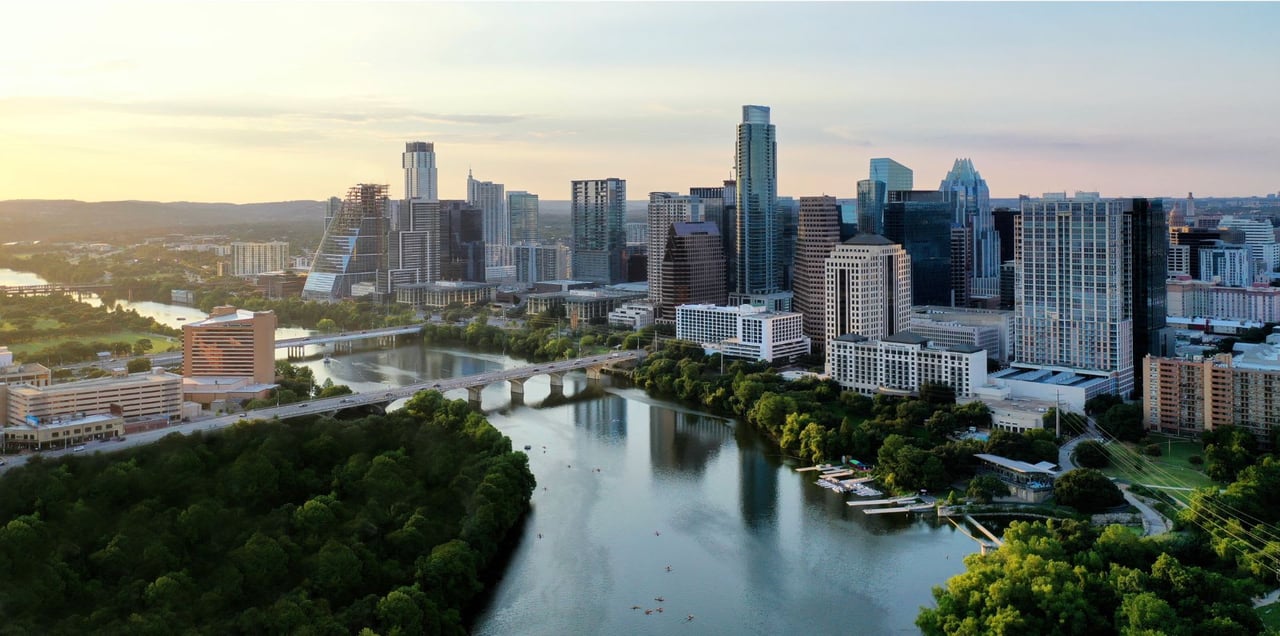
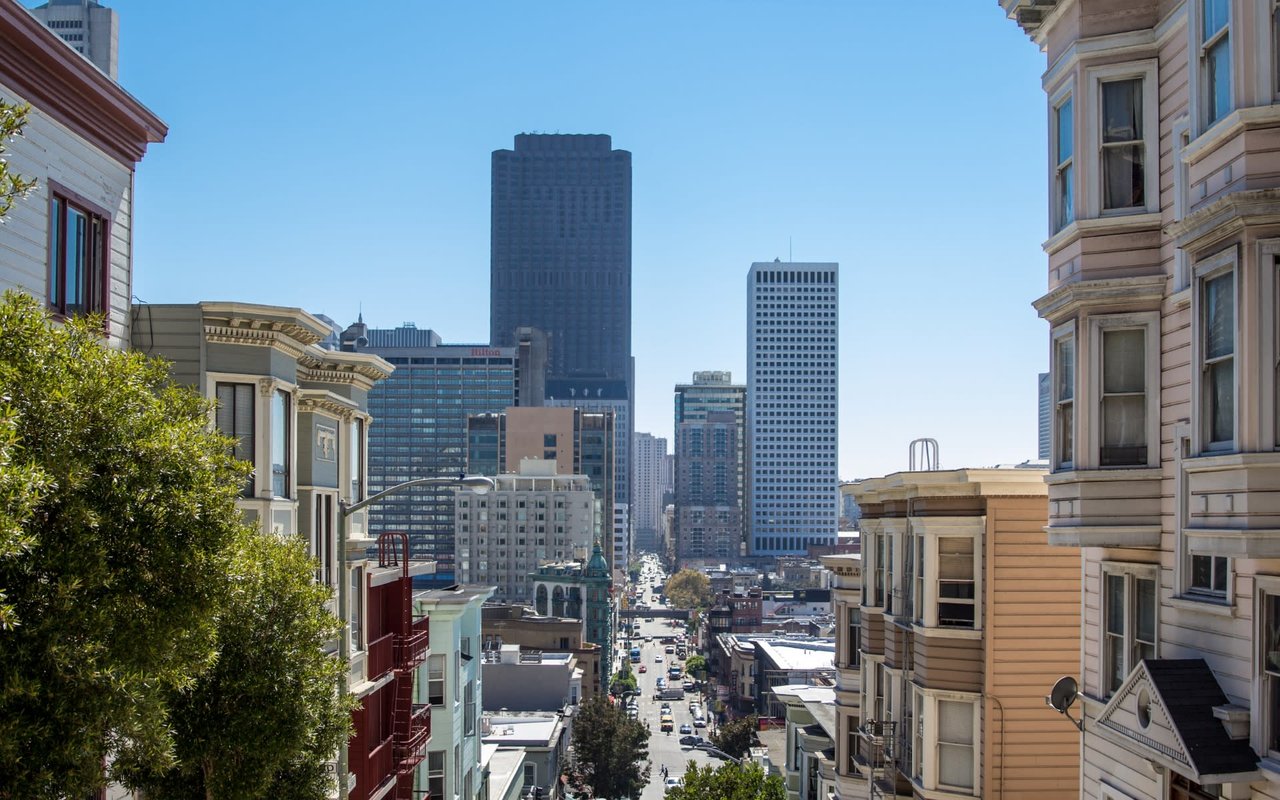
Urban luxury markets often benefit from density because it supports restaurants, culture, transportation, and services.
The important question is whether density is appropriate for the identity of the community.
A luxury high-rise district and a private waterfront enclave can both be successful.
Their value comes from different experiences.
Problems emerge when development changes the character of a location faster than the community can absorb it.
Successful luxury markets understand this distinction.
The Economics of Protected Views
Views are among the most powerful drivers of luxury pricing.
Yet a view is only valuable if it remains.
A waterfront residence overlooking protected land possesses a fundamentally different outlook from one facing an undeveloped parcel that could eventually become another building.
This creates an important distinction between a view and a protected view.
The latter can carry significantly greater long-term confidence.
Preservation therefore becomes part of the property's value.
Architecture Needs Breathing Room
Exceptional architecture benefits from context.
A thoughtfully designed residence can lose some of its impact when surrounded by incompatible construction.
Conversely, a community with architectural consistency allows individual properties to reinforce one another.
This is one reason established luxury neighborhoods often protect design standards.
The objective is not uniformity.
It is harmony.
That harmony strengthens the identity of the entire community.
Luxury Buyers Are Buying Environment
Affluent buyers rarely purchase a residence solely because of its walls.
They purchase an environment.
The surrounding landscape.
The street.
The neighborhood.
The views.
The sense of privacy.
The relationship between properties.
When communities protect these characteristics, they preserve part of the ownership experience.
This is why planning decisions made years before a buyer arrives can ultimately influence the value of a luxury property.
Restraint Can Protect Market Positioning
Luxury brands understand the importance of controlled supply.
If everything becomes widely available, exclusivity disappears.
Luxury communities face a similar dynamic.
When development remains disciplined, exceptional properties retain distinction.
When supply expands without limits, differentiation becomes more difficult.
This does not mean luxury markets should avoid growth.
It means growth should reinforce the identity of the destination rather than dilute it.
The Role of Environmental Stewardship
Environmental preservation is becoming increasingly relevant to luxury markets.
Coastal resilience.
Wetland protection.
Tree preservation.
Water management.
Natural landscaping.
These initiatives support both ecological health and long-term livability.
For affluent buyers seeking properties they may hold for decades, environmental quality is becoming a more important component of value.
A protected environment can become one of the strongest forms of neighborhood infrastructure.
South Florida Makes the Question Especially Important
South Florida illustrates the relationship between development and preservation particularly clearly.
The region's appeal is deeply connected to its coastline, waterways, tropical landscape, outdoor lifestyle, and established luxury communities.
At the same time, continued population and investment growth create pressure for additional development.
The challenge is balancing growth with preservation.
The most successful luxury communities will likely be those capable of welcoming investment while protecting the qualities that made them desirable in the first place.
For buyers, this makes understanding future development plans an important part of evaluating long-term property value.
The Future Value of Protected Land
Land that cannot be easily developed can become increasingly valuable as surrounding demand grows.
This creates an interesting paradox.
The less available a desirable environment becomes, the more valuable the remaining protected elements may become.
Open space becomes a premium.
Waterfront access becomes more valuable.
Low-density communities become increasingly differentiated.
Protected views gain importance.
What appears to be "nothing" can become one of the most valuable features surrounding a property.
The Most Thoughtful Luxury Markets Know When to Stop
Successful luxury development is not necessarily about maximizing every available parcel.
It is about understanding the point at which additional development begins reducing the qualities that support demand.
This requires long-term thinking.
Developers think beyond the next project.
Communities think beyond the next decade.
Buyers think beyond the next market cycle.
When these perspectives align, growth can strengthen a destination rather than weaken it.
What This Means for Luxury Buyers
For affluent buyers, evaluating a luxury property increasingly requires looking beyond the current view.
What surrounds the property today?
What can be built tomorrow?
Which parcels are protected?
What are the development restrictions?
How is density managed?
What infrastructure is planned?
These questions can reveal important differences between seemingly similar properties.
A luxury residence is partly defined by its immediate environment.
Understanding the future of that environment is therefore essential.
MMGLuxury Perspective
The strongest luxury markets are not necessarily the ones that build the most.
They are the ones that understand what must be protected.
Natural beauty.
Privacy.
Architectural character.
Open space.
Waterfront access.
Community identity.
These qualities create the emotional and practical reasons affluent buyers choose a destination.
Once lost, many cannot be recreated.
For long-term buyers, understanding what a community refuses to compromise can be just as important as understanding what it plans to build.
Because sometimes the greatest luxury is the space that remains untouched.
Final Thought
Real estate is an industry built around development.
Luxury real estate is also an industry built around restraint.
The most exceptional communities understand that every new structure changes the environment around it.
Every preserved space does the opposite.
It protects something.
A view.
A landscape.
A sense of privacy.
A neighborhood identity.
A lifestyle.
And as luxury markets become increasingly competitive, those protected qualities may become some of the rarest and most valuable assets of all.
#LuxuryRealEstate #LuxuryDevelopment #MMGLuxury #SouthFloridaRealEstate #LuxuryMarkets #LuxuryCommunities #MarketIntelligence #LuxuryProperty #RealEstatePlanning #AffluentLiving