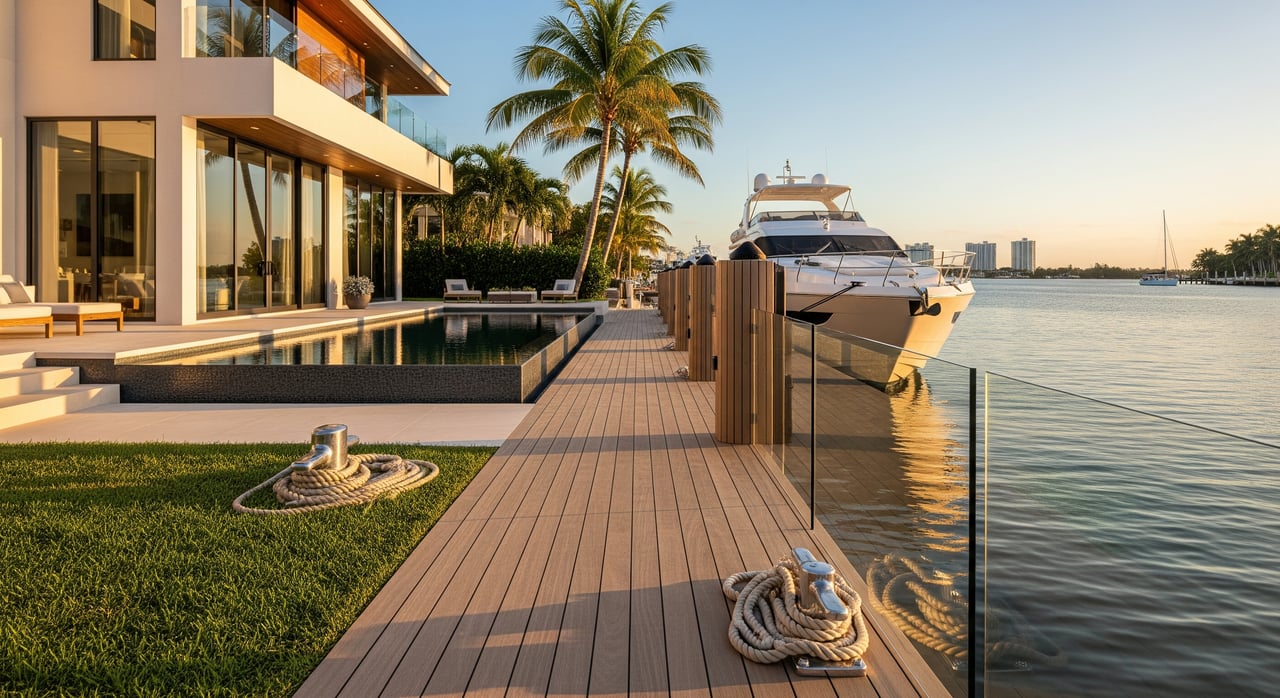
Buying a home in Fort Lauderdale with a boat in mind starts with one key question: will your vessel and lifestyle fit the water outside your back door? You want quick access, a safe dock, and a smooth route to the ocean without surprises. This guide gives you the essentials you need to evaluate canals, bridges, dockage, permitting, and the trade-offs between a private dock and a marina slip. You will come away with clear steps to shop confidently and match the right property to your boat. Let’s dive in.
How Fort Lauderdale’s waterways work
Fort Lauderdale is widely described as having more than 165 miles of inland waterways that connect homes, marinas, the Intracoastal Waterway, and the Atlantic. The city’s canals and river system feed into the Intracoastal Waterway (ICW), the main north–south route along the coast. Key corridors include the New River downtown, the ICW, and the approach to Port Everglades, the area’s primary commercial inlet. To ground your planning and local contacts, start with the City of Fort Lauderdale’s official site.
You will see a mix of traffic on the water. Near Port Everglades, commercial and cruise vessels are common, which means larger wakes and occasional congestion. If you want direct ocean access, this inlet is often the fastest route, but it requires attention to traffic and timing. Learn more about operations and notices from the Port Everglades Authority.
Tides in South Florida are modest, often around 1 to 3 feet. That seems small, but in shallower residential canals it can be the difference between clearing a spot at high tide and touching bottom at low tide. Depths also change over time due to shoaling or dredging. For charts and marked obstructions, consult NOAA nautical charts and ENCs.
Canal types and dock basics
Fort Lauderdale neighborhoods feature different canal layouts. Many residential canals are man-made with seawalls and finger piers. Others are natural or older channels with more variable bottoms. Some areas include turning basins that make maneuvering easier, while narrower canals can limit length overall and turning space.
Depths vary widely from one canal to the next. A canal can look calm and inviting yet still be too shallow for your draft at low tide. Always request recent depth soundings from the seller or municipality, and compare them to NOAA charts. If your boat “fits” at high tide, verify that your route still works at low tide.
When you evaluate a dock, focus on function and condition. A few key items to document:
- Dock length and usable face. Confirm the maximum LOA and any beam restrictions.
- Water depth at dock end. Ask for a recent sounding and the datum used (MLW or MHW).
- Power and utilities. Shore power amperage (30A, 50A, sometimes 100A), water, hose bibs, and pump-out access.
- Pilings and hardware. Check pile condition, cleats, and materials for wear.
- Boat lift capacity and permits. Confirm rated capacity, current condition, and the size/weight allowed under existing permits.
Seawalls, docks, and lifts require ongoing care. Seawall repairs or replacements can be significant capital projects. Ask who is responsible for maintenance and any upcoming work the seller knows about.
Bridges and inlet access
Fixed bridges set hard limits on air draft. If your vessel’s height exceeds a fixed bridge’s published clearance, you cannot pass under it. Movable bridges (bascule or drawbridges) open on schedules set by the U.S. Coast Guard. You may wait during peak times, so build buffers into your routine.
Before you buy, map your route from dock to inlet. Compare your vessel’s air draft to each bridge on the way. Check whether the clearance is listed at mean high water or mean low water. For regulations and operating schedules, review U.S. Coast Guard bridge rules and notices. Confirm charted bridge data with NOAA charts and ENCs, and validate practical clearances with local marina managers or captains when possible.
Port Everglades is the primary local inlet for most Fort Lauderdale routes. Depending on your neighborhood, Hillsboro Inlet to the north or other regional inlets can be alternatives. Remember that dredging and maintenance can affect depth, so consult current notices from the Port Everglades Authority or the U.S. Army Corps of Engineers.
Private dock vs marina slip
Choosing between a private dock and a marina slip is a lifestyle decision with real budget impacts.
Private waterfront dock
- Pros
- Step from your home to your boat with maximum convenience.
- Full control over access and schedule.
- No monthly slip rent.
- Cons
- Dock, lift, and seawall maintenance and capital costs.
- Limits on LOA, beam, draft, and air draft based on canal and bridges.
- Fewer on-site services and no haul-out. You must arrange service at a yard.
- Possible permitting limits on expansions or new lifts.
Marina slip
- Pros
- Shore power, water, fuel, and service access in one place.
- Security, managed mooring, and an active boating community.
- Slip sizes for a range of vessels and options for guests or transients.
- Often faster access to deep channels and the ocean.
- Cons
- Monthly or annual slip fees. Premium locations can be costly.
- Waiting lists for certain slip sizes.
- Not at your home unless you live beside the marina.
- Marina rules on hours, guests, and liveaboard policies.
Where boaters often shop
Every canal is different. Use this high-level overview only as a starting point, then confirm depths, bridge clearances, and turning room for any specific property.
- Harbor Beach and North Beach. Ocean-oriented access and deepwater docks that suit larger yachts and tall air draft needs.
- Las Olas Isles and downtown canals. Extensive canal network near restaurants and services. Some routes include bridges, so review openings and clearances.
- Coral Ridge and Coral Ridge Isles. Typically deeper canals with ICW connections that are popular for mid-size powerboats.
- Rio Vista, Tarpon River, and Sunrise Intracoastal. Quieter residential canals in spots. Depth and turning basins can vary, so confirm LOA and water depth.
- Near Port Everglades and the Lauderdale Marina corridor. Fastest run to the ocean and abundant service options, with heavier wakes and commercial traffic nearby.
- Beachfront condo docks. Select buildings offer owner docks. Policies, space, and slip sizes vary by association.
Your pre-tour checklist
Use this quick list before you step onto a showing so you know exactly what to ask and measure.
- Record your vessel specs. LOA, beam, draft (static and loaded), and air draft.
- Request documentation. Dock length and usable face, piling condition, boat lift capacity and permits, shore power (30A, 50A, 100A), water and pump-out access.
- Confirm depths. Recent sounding at the dock and canal mouth, including the datum used and any history of shoaling.
- Review seawall and dock reports. Ask for inspection records and permits for any repairs or replacements.
- Check the route. Identify fixed and movable bridges, and estimate time to the nearest inlet at safe cruising speeds.
- Service availability. Note nearby marinas and haul-out capacity for your boat size.
- Risk and insurance. Review FEMA flood zone data and property elevation. Start with FEMA flood maps and speak with your insurer about hull and property coverage.
Permits, speed zones, and insurance
Waterfront work typically requires permits. New docks, enlargements, seawall repairs, or lifts often need city and county approvals, and in some cases state or federal authorization. For a starting point on process and contacts, visit the City of Fort Lauderdale Building and Permitting resources and Broward County environmental permitting.
Environmental rules protect seagrass and coastal habitats. These can influence dock dimensions or require mitigation. Seasonal manatee protections also create speed and no-wake zones that affect travel times. Review current rules and seasonal zones with the Florida Fish and Wildlife Conservation Commission.
For navigation and bridge operations, check U.S. Coast Guard notices and regulations. For updated channel conditions and charted depths, use NOAA nautical charts and ENCs. Insurers will look at flood zone, exposure, and distance to protected water, so gather those details early using FEMA resources.
Next steps
Buying a boat-friendly home in Fort Lauderdale is about matching three things: your vessel, your route, and your dock. If you verify canal depth, bridge clearances, and permitting status up front, you can move forward with confidence and enjoy the lifestyle you have in mind.
If you want a trusted partner to coordinate the details, the Melissa Miller Group brings a concierge approach, local market knowledge, and access to select on and off-market opportunities. We will help you target the right streets and canals, connect you with local waterfront resources, and streamline showings around your vessel’s specs. Get Access To Our Private Listings.
FAQs
What should a boat owner check first when buying in Fort Lauderdale?
- Start with your vessel’s LOA, beam, draft, and air draft, then match those specs to the property’s canal depth, dock dimensions, and bridge clearances using NOAA charts and U.S. Coast Guard bridge rules.
How do you confirm a home’s canal depth and dock suitability?
- Request recent soundings from the seller or municipality, verify the datum (MLW or MHW), compare with NOAA ENCs, and inspect pilings, dock hardware, and lift capacity during the visit.
What should I know about manatee zones and speed limits?
- Fort Lauderdale has seasonal manatee protections and speed zones that affect run times on certain waterways, so check current maps and rules with the Florida Fish and Wildlife Conservation Commission.
Which inlet is typically fastest for Fort Lauderdale homes?
- Many neighborhoods run to the ocean via Port Everglades for the quickest access, but traffic and wakes are common near the port; see updates from the Port Everglades Authority and plan alternate routes when needed.
Do I need permits to add or modify a dock or lift?
- Most dock, seawall, or lift projects require city and county permits and may trigger environmental review; start with the City of Fort Lauderdale and Broward County environmental permitting for requirements and contacts.