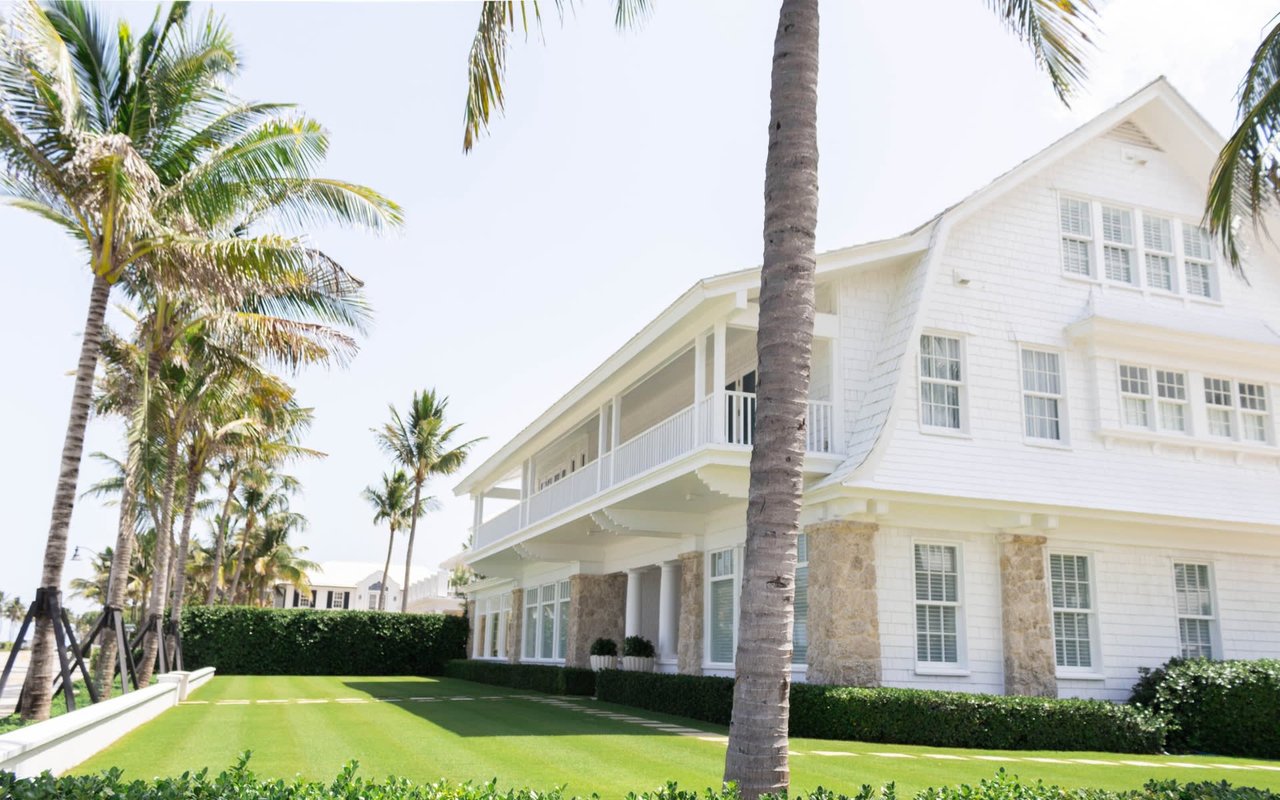
The Assumption: “It’s a Good Area — It Will Sell”
Many sellers believe that being in a desirable city — whether it’s Weston, Boca Raton, Parkland, or a coastal community — automatically guarantees quick results.
But even in strong markets, some properties linger.
When a home sits longer than expected, it’s rarely random. There are usually identifiable reasons.
Understanding them protects both sellers and buyers.
1️⃣ Pricing Based on Hope Instead of Data
The most common reason homes sit is pricing misalignment.
Sellers often:
-
Compare to active listings instead of closed sales
-
Price based on peak-market memories
-
Add emotional value to upgrades
-
Test “aspirational” pricing
Buyers evaluate homes based on:
-
Recent comparable closed sales
-
Monthly affordability
-
Insurance and tax burden
-
Market alternatives
If a home is priced even 3–5% above market tolerance, activity slows quickly.
In South Florida, buyers are increasingly data-driven.
2️⃣ Insurance and Condition Red Flags
Today’s buyers are highly aware of:
-
Roof age
-
4-point inspection issues
-
Flood zone classification
-
Insurance premium estimates
If a home has:
-
An aging roof
-
Outdated electrical systems
-
Prior claims history
-
Flood exposure
Buyers may hesitate — even if location is strong.
Condition transparency affects buyer confidence.
3️⃣ Over-Customization
Highly customized homes sometimes limit buyer pool.
Examples:
-
Bold, niche design themes
-
Unusual floor plan modifications
-
Converted garages or rooms
-
Luxury upgrades that don’t match neighborhood price ceiling
Buyers prefer flexibility and neutral spaces they can personalize.
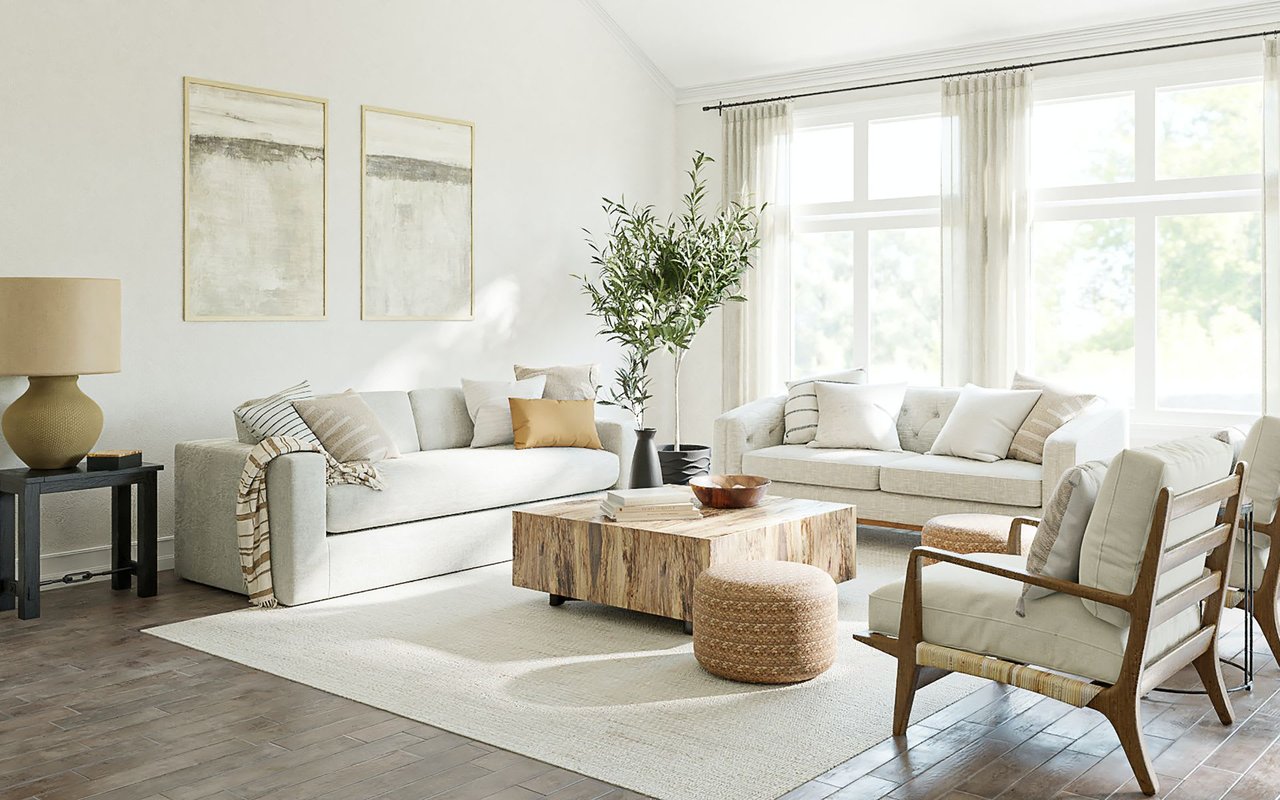
4️⃣ Presentation and First Impression
Online exposure drives in-person showings.
If listing photos are:
-
Poorly lit
-
Outdated
-
Cluttered
-
Lacking wide-angle composition
Showings decline.
In South Florida’s competitive digital landscape, presentation heavily influences perception.
5️⃣ Seasonal Timing
South Florida has seasonal patterns.
-
Winter: Higher buyer activity
-
Summer: Slightly slower in some segments
-
Late year: More selective buyer pool
A property listed during slower cycles must be priced more precisely.
6️⃣ HOA and Community Factors
Buyers carefully review:
-
HOA reserves
-
Special assessments
-
Monthly dues
-
Rental restrictions
If HOA finances are weak or dues are high relative to value, buyers proceed cautiously.
7️⃣ Buyer Psychology Has Shifted
Today’s buyers:
-
Calculate full cost (insurance + taxes + HOA)
-
Negotiate more strategically
-
Avoid emotional bidding unless property is rare
-
Compare options extensively
A home that isn’t clearly superior in its price bracket struggles to generate urgency.
For Sellers: The Fix Is Strategic, Not Emotional
If a property sits:
✔ Re-evaluate pricing against closed sales
✔ Improve presentation quality
✔ Review inspection vulnerabilities
✔ Obtain insurance estimate transparency
✔ Assess competitive listings
Market feedback is data — not criticism.
For Buyers: Days on Market Can Be Opportunity
When a home lingers:
-
Sellers may be more flexible
-
Negotiation leverage increases
-
Repair credits may be possible
But only if the property fundamentals remain strong.
Not all long listings are flawed — some are simply misaligned initially.
The MMGLuxury Perspective
At MMGLuxury, we evaluate:
-
Micro-market pricing tolerance
-
Buyer segment behavior
-
Condition risk factors
-
Insurance influence
-
Competitive positioning
Homes don’t sit because markets are weak.
They sit when positioning misses alignment.
Final Thought
Location matters — but strategy determines velocity.
In South Florida real estate, pricing precision, presentation quality, and structural clarity move homes faster than optimism alone.
The market rewards alignment — not assumption.
#MMGLuxury #SouthFloridaRealEstate #HomeSelling #RealEstateStrategy #MarketInsights #PropertyOwnership #SellerTips