Beyond Square Footage
In high-end real estate, size alone does not define quality. Two homes may offer similar square footage, yet one feels significantly more valuable the moment a buyer enters.
This difference is often rooted in the psychology of space. Luxury buyers do not only evaluate dimensions—they respond to how space affects emotion, movement, comfort, and perception.
A property that feels open, balanced, and intentional creates an immediate sense of value. A property with the same measurements but weaker spatial experience may feel less impressive despite similar specifications.
This is why luxury real estate is experienced emotionally before it is analyzed logically.
How Space Influences Perception
The way space is structured shapes how buyers interpret the entire property.
Certain spatial qualities naturally create stronger emotional responses:
- Ceiling height that enhances openness
- Balanced proportions between rooms
- Clear visual flow from one space to another
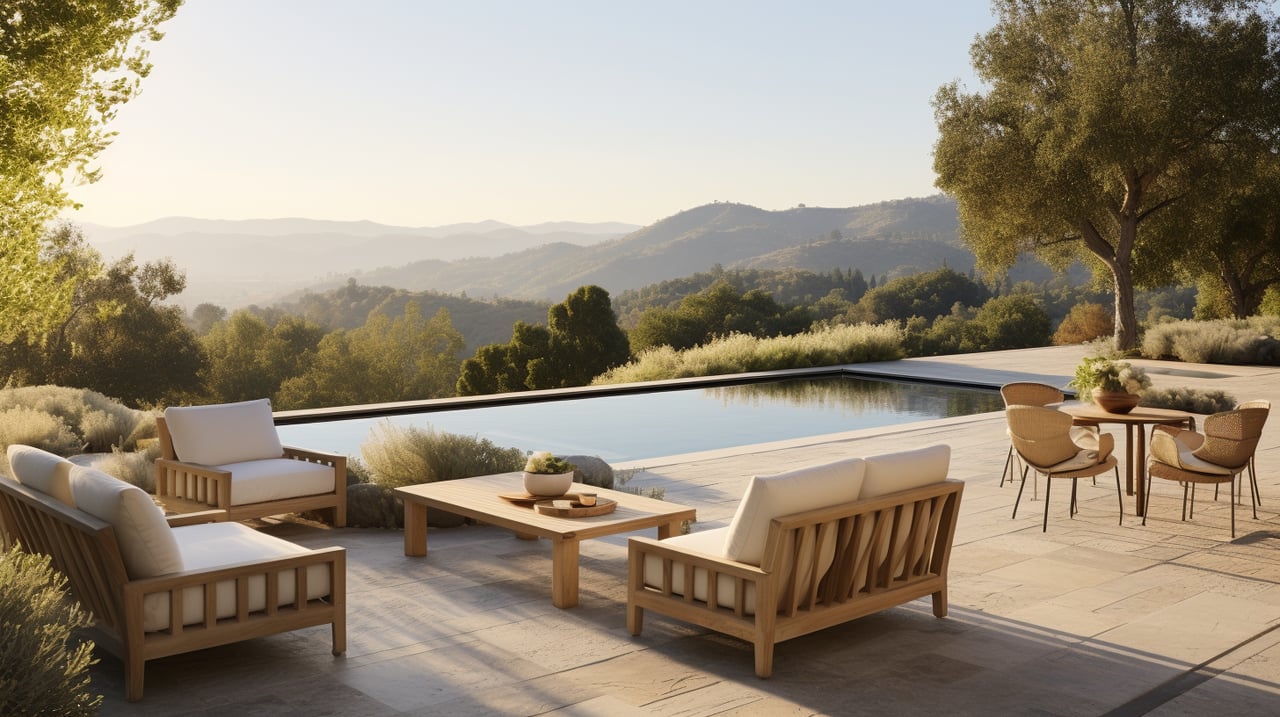
- Natural transitions between indoor and outdoor living
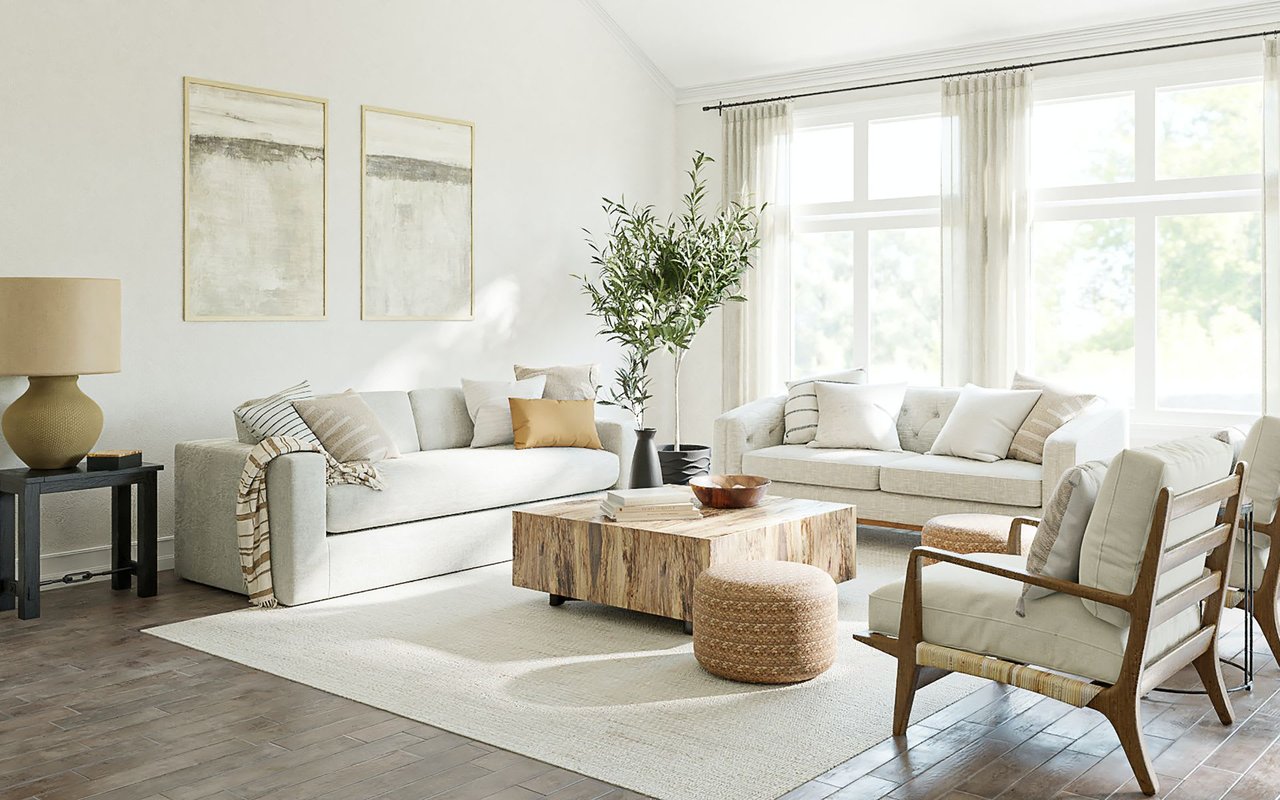
When these elements work together, buyers often perceive the property as more refined and more expensive, even before focusing on finishes or materials.
Space affects perception because it influences how the body and mind respond to the environment.
The Importance of Volume and Openness
Volume is one of the strongest psychological drivers in luxury homes.
High ceilings, expansive sightlines, and open architectural flow create a sense of freedom and calm. Buyers often associate spaciousness with exclusivity because it reduces visual pressure and creates physical ease.
However, openness must be controlled carefully. Excessive openness without structure can make a property feel cold or overwhelming. The most effective luxury homes balance openness with intimacy, creating areas that feel both expansive and comfortable.
This balance is what separates thoughtful luxury design from simple scale.
Natural Light as a Psychological Feature
Natural light plays a major role in how luxury properties are perceived.
Bright, well-lit spaces tend to feel:
- More open
- More welcoming
- More architecturally refined
Light also changes how materials, textures, and proportions are experienced throughout the day. Homes with strong natural light often create a more dynamic and emotionally engaging environment.
Luxury buyers respond strongly to this because light contributes to both wellness and atmosphere. A property that feels naturally illuminated tends to create a stronger first impression and greater long-term appeal.
Flow and Movement Through the Home
Luxury homes are not just viewed—they are experienced through movement.
The way buyers transition from one area to another influences how cohesive and functional the property feels. Strong spatial flow creates continuity, allowing buyers to move naturally without confusion or interruption.
This includes:
- Logical transitions between public and private spaces
- Smooth indoor-outdoor integration
- Clear focal points throughout the property
When flow is weak, buyers begin mentally questioning the layout. Even subtle disruptions in movement can reduce the overall sense of refinement.
In luxury real estate, effortless movement creates a sense of confidence within the property.
Why Empty Space Can Increase Value
In traditional real estate, efficiency is often prioritized. In luxury homes, unused or open space can actually increase perceived value.
Large entryways, wide hallways, and spacious transitions communicate exclusivity because they reduce density. Buyers associate this spatial freedom with comfort, privacy, and status.
This is one reason luxury properties often feel different from standard homes even before considering finishes or amenities. The absence of crowding becomes part of the experience itself.
Space is not only measured by what is included—it is also shaped by what is intentionally left open.
Emotional Response and Spatial Comfort
Luxury buyers often make decisions based on emotional response before focusing on analytical details.
A home that feels calm, balanced, and comfortable creates stronger emotional engagement. Buyers may not immediately explain why they are drawn to the property, but spatial psychology is often influencing that reaction.
This emotional comfort increases:
- Time spent in the property during showings
- Positive memory retention after the visit
- Confidence during decision-making
The strongest luxury homes are those that create a feeling buyers want to return to.
Why Some Large Homes Still Feel Small
Interestingly, large square footage alone does not guarantee strong spatial perception.
Some oversized homes feel restrictive because:
- Rooms are poorly proportioned
- Layouts interrupt movement
- Ceiling heights do not support scale
- Natural light is limited
In these cases, buyers experience the home as fragmented rather than expansive.
This demonstrates why spatial quality matters more than raw size. Luxury buyers are highly sensitive to how space functions emotionally, not just physically.
Architecture as Psychological Positioning
Architecture influences not only aesthetics, but also the psychological identity of the property.
Certain architectural approaches create:
- Calm and simplicity
- Grandeur and scale
- Privacy and retreat
- Social openness and entertainment flow
Luxury buyers often gravitate toward properties whose spatial design reflects the lifestyle and emotional environment they seek.
This is why architecture plays such a central role in long-term desirability.
The MMGLuxury Perspective
At MMGLuxury, we evaluate luxury homes beyond features and measurements.
We focus on:
- How space affects perception and emotional response
- Whether layout and flow support the intended lifestyle
- How architectural design influences buyer psychology
Because in luxury real estate, value is not only seen—it is felt through the experience of space itself.
Final Thought
In high-end real estate, the psychology of space shapes how buyers interpret value from the moment they enter a property.
Homes that create openness, balance, and emotional comfort often feel more valuable instantly, even before buyers analyze details or pricing.
In luxury real estate, exceptional properties are not defined by size alone—they are defined by how space makes people feel.
#MMGLuxury #LuxuryRealEstate #HighEndHomes #LuxuryArchitecture #RealEstateStrategy #MarketInsights #LuxuryLiving