Luxury buyers are accustomed to having choices.
There are beautiful homes.
There are large homes.
There are waterfront homes.
There are architecturally significant homes.
There are newly constructed residences.
There are private estates.
But eventually, the most sophisticated question becomes:
How easily could another property replace this one?
That question changes the way luxury real estate should be evaluated.
If another home can provide essentially the same experience with similar location, land, views, privacy, access, and architecture, the property may have competition.
But what happens when those characteristics rarely exist together?
A large waterfront parcel in a desirable location.
A private residence with an unobstructed view.
A property with exceptional boating access and significant land.
A historically important estate that cannot be recreated.
A residence with a particular orientation that no neighboring property can duplicate.
These characteristics create a different kind of value.
Replaceability becomes part of the equation.
Scarcity Is More Than Being Expensive
A $20 million property is not automatically scarce.
There may be several comparable properties available at similar price points.
True scarcity exists when supply is structurally limited.
There may simply be very few properties capable of offering the same combination of characteristics.
This distinction matters.
Price describes what something costs.
Scarcity helps explain why a comparable replacement may be difficult to find.
The Most Valuable Features May Be the Ones You Cannot Add Later
A buyer can renovate a kitchen.
They can redesign bathrooms.
They can change lighting.
They can update finishes.
They can add technology.
But certain characteristics cannot simply be purchased after closing.
Location.
Water frontage.
Lot orientation.
Street position.
Views.
Privacy.
Distance from neighbors.
Access.
These are fundamentally tied to the property itself.
That makes them particularly important in luxury real estate.
You Can Renovate a House. You Cannot Renovate Its Location.
This is one of the simplest principles in property valuation.
Interior design can change.
Architecture can sometimes change.
Landscaping can evolve.
But the relationship between the property and its surroundings is largely fixed.
If a buyer loves a specific location, the scarcity of suitable alternatives can become significant.
The question becomes:
How many other properties can provide the same geographic experience?
Sometimes the answer is surprisingly small.
Lot Size Can Create Hidden Scarcity
Two homes may sit in the same neighborhood.
One occupies a significantly larger parcel.
That difference may not be obvious in interior photographs.
But land can be one of the hardest luxury characteristics to replicate.
Large parcels in established luxury neighborhoods may be particularly difficult to reproduce because surrounding development is already established.
Once the land is divided or developed, the opportunity may disappear.
Water Orientation Can Be Irreplaceable
Waterfront properties can look similar from a listing page.
But orientation can dramatically change the experience.
One property may face a wide section of water.
Another may face a narrower canal.
One may capture sunset.
Another may capture morning light.
One may provide privacy from passing traffic.
Another may have constant activity.
The precise relationship between land and water is unique.
That can create scarcity beyond the simple label of "waterfront."
Views Are More Fragile Than Buyers Sometimes Realize
A view can be one of the most emotionally powerful features of a luxury residence.
But views depend on what exists beyond the property line.
Development can change sightlines.
Vegetation can grow.
Neighboring structures can affect exposure.
This makes protected or naturally secured views particularly valuable.
A buyer is not simply purchasing the view.
They are purchasing the probability that the view will remain meaningful over time.
Privacy Can Be Difficult to Reproduce
Privacy often depends on multiple characteristics working together.
Lot size.
Setbacks.
Landscape.
Topography.
Water.
Neighboring properties.
Street position.
Architecture.
If several of these align, the result may be unusually private.
A buyer cannot necessarily recreate that experience by adding a taller hedge.
The underlying geography matters.
Architectural Identity Can Create Scarcity
Some homes are memorable because of their architecture.
A distinctive design.
A significant architect.
A particular period.
A unique structural concept.
A highly recognizable aesthetic.
These homes can appeal to buyers who value identity rather than simply size.
A newly built residence can replicate certain finishes.
It cannot necessarily reproduce the history or architectural significance of an existing property.
Historical Character Cannot Be Manufactured
Age alone does not make a property valuable.
But genuine history can create a form of scarcity.
A residence may have a notable architectural story.
A significant prior owner.
A recognized design lineage.
A relationship with the surrounding community.
These characteristics can become part of the property's identity.
Once lost, they cannot be recreated.
New Construction Can Also Be Scarce
Scarcity does not belong exclusively to historic properties.
In established luxury markets, new construction opportunities can themselves be limited.
Large parcels suitable for new development may be rare.
Regulatory requirements can constrain possibilities.
Certain locations may have very limited remaining land.
This creates an interesting contrast.
A historic estate may be scarce because it has survived.
A new estate may be scarce because very few opportunities remain to build one.
The Combination Matters More Than the Individual Feature
This is where luxury scarcity becomes particularly interesting.
A property with a large lot is valuable.
A waterfront property is valuable.
A private property is valuable.
A desirable location is valuable.
But a property combining all four can be dramatically harder to replace.
Scarcity compounds.
The more independent characteristics that need to align, the smaller the pool of comparable properties becomes.
"Comparable" Does Not Always Mean "Equivalent"
Two properties may have similar square footage and price.
That does not mean they provide the same experience.
One may have:
Better orientation.
Greater privacy.
Superior water access.
A larger parcel.
Better outdoor living.
More convenient access.
A stronger architectural identity.
The numerical comparison may look reasonable.
The lifestyle comparison may not be.
This is why luxury property analysis often requires a more nuanced definition of comparable.
Replacement Cost Is Not the Same as Replacement Experience
A buyer might be able to build a new luxury residence for a certain amount.
But can they recreate the exact location?
The same lot?
The same view?
The same mature landscaping?
The same water position?
The same privacy?
The same neighborhood environment?
The same architectural history?
Construction can reproduce a building.
It cannot necessarily reproduce the complete experience.
Mature Landscaping Can Create Scarcity
A mature estate may contain decades of landscape growth.
Large trees.
Established gardens.
Natural screening.
Layered vegetation.
These characteristics can significantly influence the feeling of the property.
A newly landscaped property can be beautiful.
But it cannot instantly reproduce maturity.
Time is an ingredient.
And time cannot simply be ordered from a contractor.
Privacy and Land Can Reinforce Each Other
Large land creates separation.
Separation creates privacy.
Privacy enhances outdoor living.
Outdoor living increases the usefulness of the land.
These characteristics reinforce one another.
This is why certain estates feel dramatically more private than their neighboring properties even when the houses themselves are similarly sized.
Scarcity Can Be Local
A property does not need to be globally unique to be scarce.
It may be unique within a neighborhood.
Or within a particular waterfront segment.
Or within a specific school district.
Or within a certain distance of an amenity.
Luxury buyers should therefore think about scarcity relative to the lifestyle they are trying to create.
The relevant question is not:
"Is this property unique in the world?"
It is:
"How many realistic alternatives can provide what I want?"
Scarcity Can Change Negotiation Dynamics
When alternatives are abundant, buyers have more leverage.
When comparable alternatives are limited, the negotiation can look different.
The buyer may have to weigh the cost of waiting.
What happens if the property sells?
How long might another suitable property take to appear?
Would the next property require compromises?
Could the buyer recreate the same experience elsewhere?
These questions can become important in high-value transactions.
Waiting Has an Opportunity Cost
Luxury buyers often have the financial ability to wait.
But waiting does not necessarily mean doing nothing.
A specific property may disappear.
Market conditions may change.
Another comparable property may not appear for years.
The opportunity cost is therefore not only financial.
It can be lifestyle-related.
The buyer may spend considerable time searching for something that was already available.
The "Next One" May Not Exist
This is particularly relevant when a property combines multiple scarce characteristics.
A buyer may say:
"We'll find another one."
Sometimes they will.
Sometimes they will not.
The market may produce similar properties.
But not necessarily equivalent ones.
Understanding this difference can help buyers distinguish between a property that is simply attractive and one that is genuinely difficult to replace.
Scarcity Should Still Be Evaluated Rationally
Not every seller's claim of uniqueness should be accepted.
"One of a kind" is easy to say.
The buyer should test the claim.
How many comparable properties exist?
How often do they come to market?
What characteristics are actually unique?
Which can be replicated?
Which cannot?
Is the scarcity permanent or temporary?
Good luxury analysis separates marketing language from structural scarcity.
The Neighborhood's Future Matters
A property's scarcity can change if the surrounding area changes.
New development may create competition.
Infrastructure may alter access.
Land may be redeveloped.
Views may change.
Neighborhood character may evolve.
A sophisticated buyer therefore evaluates not only today's scarcity but the likelihood that it will remain scarce.
South Florida Creates Strong Examples of Irreplaceable Property
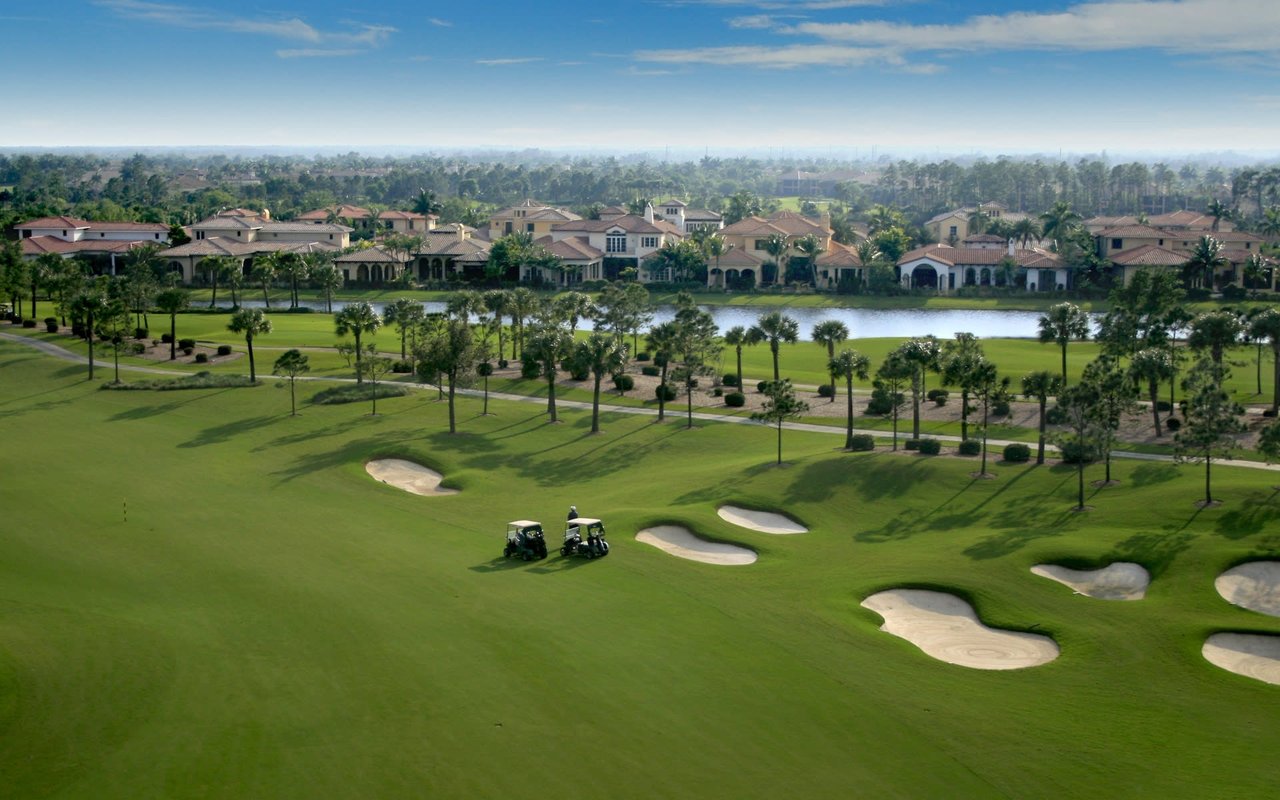
South Florida's combination of waterfront, established neighborhoods, constrained land, private communities, and high demand can create properties with unusual combinations of characteristics.
Some opportunities cannot simply be reproduced because the underlying land or location is unavailable.
Others are rare because the market has already developed around them.
This makes property-specific analysis especially important.
Luxury Buyers Are Often Buying Optionality
Scarce properties can provide more than prestige.
They can provide options.
The owner may have flexibility to renovate.
Expand.
Entertain.
Store vehicles.
Use the waterfront.
Create privacy.
Adapt the residence.
The underlying land creates possibilities.
This can make scarcity valuable even when the owner does not immediately use every capability.
The Property Can Become a Long-Term Strategic Asset
A residence with strong underlying scarcity can potentially hold a different position in the market.
The building may age.
Interiors may change.
Technology may become outdated.
But the fundamental characteristics remain.
Location.
Land.
Water.
Views.
Privacy.
Access.
These can provide the foundation for long-term relevance.
MMGLuxury Perspective
At MMGLuxury, one of the most important questions surrounding an exceptional property is not simply:
"How beautiful is it?"
It is:
"How replaceable is it?"
That question encourages a deeper evaluation.
What can be changed?
What can be improved?
What can be renovated?
And what can never be recreated?
The distinction matters.
A buyer can renovate a kitchen.
They cannot move the property to a better street.
They can redesign a terrace.
They cannot create a different waterfront orientation.
They can install landscaping.
They cannot instantly create decades of mature growth.
They can modernize interiors.
They cannot manufacture architectural history.
Understanding these differences helps reveal where genuine luxury scarcity exists.
Final Thought
The rarest luxury is not always the most expensive.
Sometimes it is simply the property for which there is no easy substitute.
The lot.
The water.
The view.
The privacy.
The architecture.
The location.
The access.
The history.
The combination.
When those characteristics converge, the property becomes more than another luxury residence.
It becomes difficult to replace.
And in a market where almost anything can be built—but very little land, location, and history can be recreated—that may be one of the most meaningful forms of luxury value.
#LuxuryRealEstate #MMGLuxury #LuxuryHomes #SouthFloridaRealEstate #LuxuryProperty #WaterfrontRealEstate #LuxuryLifestyle #HighEndRealEstate #RealEstateInsights #MarketIntelligence