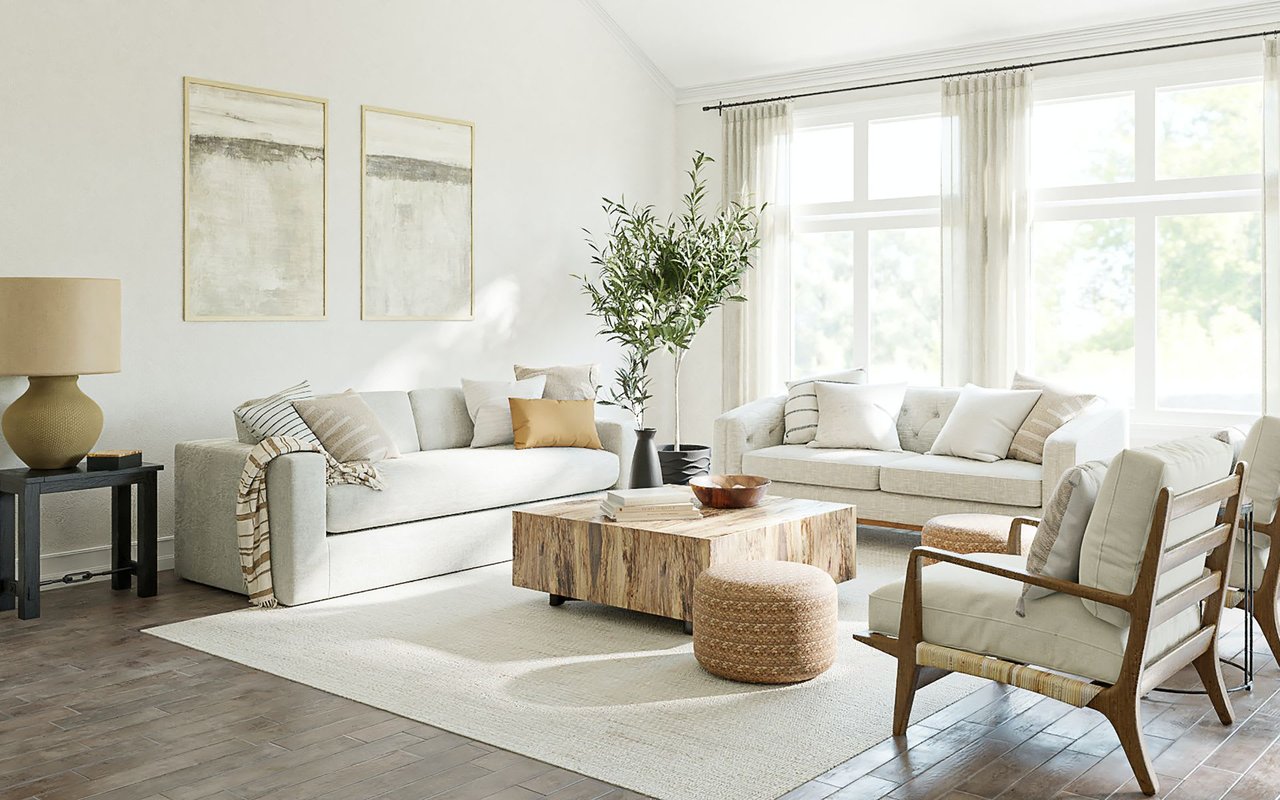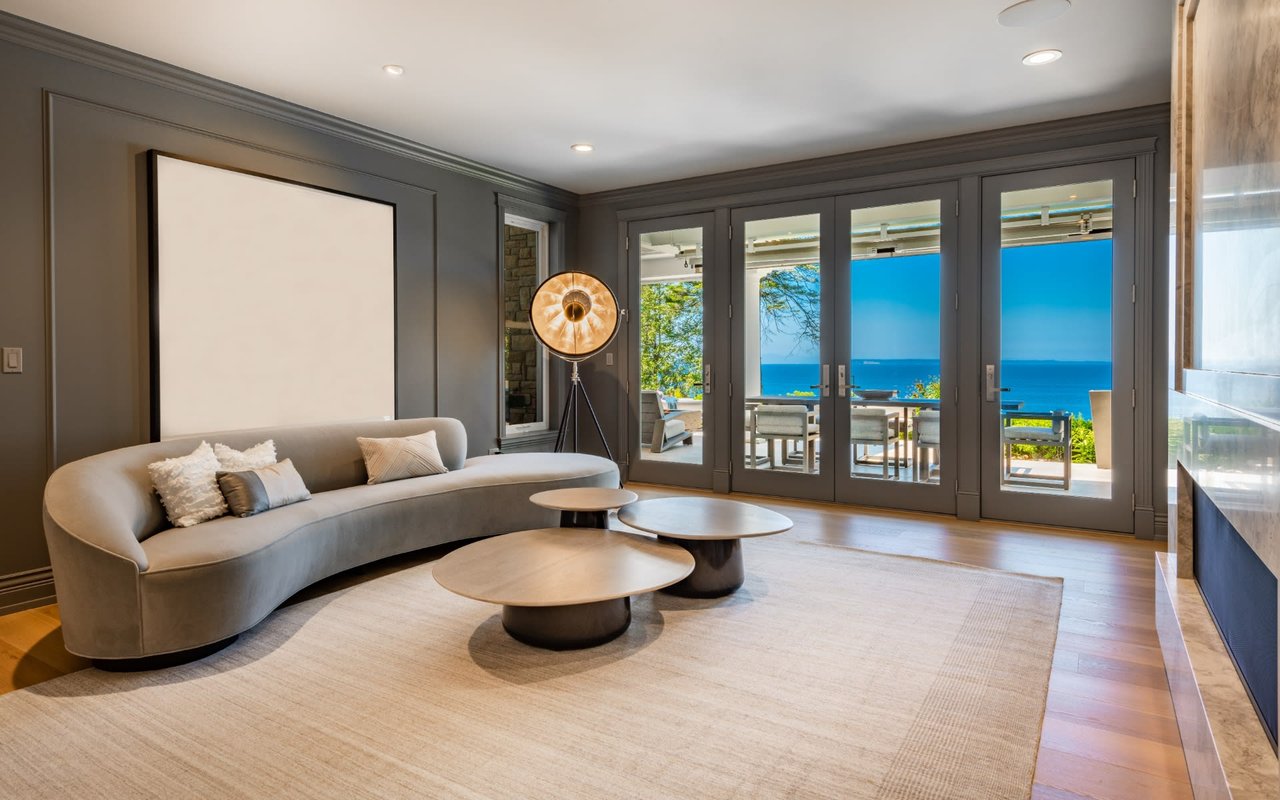
A luxury property can make an immediate impression.
The architecture is beautiful.
The landscaping is mature.
The interiors are exceptional.
The view is compelling.
The address carries recognition.
But eventually, the buyer has to live there.
And that introduces a different question:
What is the neighborhood actually like to live in?
Not on a brochure.
Not in a listing description.
Not during a Saturday afternoon showing.
But on an ordinary Tuesday morning.
At night.
During a holiday weekend.
When traffic changes.
When deliveries arrive.
When neighbors entertain.
When you need groceries.
When you want dinner.
When you want quiet.
When you leave for the airport.
This is where neighborhood intelligence becomes a meaningful component of luxury real estate.
Because an exceptional home can only be fully appreciated when its surroundings support the life the buyer wants to live.
The Address Is Only the Beginning
Luxury real estate often places significant emphasis on the address.
That makes sense.
Certain neighborhoods carry established prestige.
But an address alone does not describe the full ownership experience.
Two homes within the same general area can have very different environments.
One may sit on a quieter street.
Another may experience more traffic.
One may have greater privacy.
Another may have more walkable access to amenities.
One may have stronger waterfront positioning.
Another may be closer to commercial activity.
This is why sophisticated buyers increasingly evaluate the immediate surroundings rather than relying entirely on the reputation of the broader neighborhood.
The Five-Minute Radius Matters
When evaluating a luxury property, it can be useful to think beyond the property line.
What exists within five minutes?
A café.
A restaurant.
A marina.
A grocery store.
A private club.
A park.
A fitness facility.
A beach.
A business district.
A major road.
The quality of this immediate radius can have an outsized influence on daily life.
A buyer may not use every nearby amenity.
But having options close at hand creates flexibility.
And flexibility is one of the central benefits of a premium location.
Convenience Becomes More Valuable Through Repetition
A five-minute improvement in travel time may not feel important once.
But repeated every day, it becomes significant.
Five minutes saved leaving home.
Five minutes saved returning.
Ten minutes saved getting coffee.
Ten minutes saved reaching the marina.
Over months and years, small efficiencies accumulate.
This is why location should be evaluated through repeated behavior rather than isolated trips.
The luxury buyer is not buying one commute.
They are buying thousands of future journeys.
The Neighborhood Has a Daily Rhythm
Every neighborhood has a rhythm.
Some are active early.
Others become lively at night.
Some remain quiet throughout the day.
Others experience seasonal changes.
Traffic patterns can change dramatically depending on the time.
The experience on a weekday can be completely different from the experience on a weekend.
Understanding that rhythm can reveal whether the neighborhood actually matches the buyer's lifestyle.
Noise Is Part of Location Value
Noise is often overlooked during property evaluation.
But it can have a significant effect on the experience of luxury living.
Road traffic.
Construction.
Boats.
Commercial activity.
Events.
Nearby entertainment.
Aircraft.
These factors may be acceptable to one buyer and undesirable to another.
The objective is not to find a universally quiet property.
It is to understand the property's acoustic environment and determine whether it fits the buyer.
Privacy Can Be a Neighborhood Characteristic
Privacy does not come exclusively from the house.
The surrounding neighborhood matters.
Lot sizes.
Building orientation.
Street design.
Vegetation.
Property setbacks.
Water frontage.
Development patterns.
These factors influence how exposed a residence feels.
A neighborhood with thoughtful spacing can create a sense of retreat even when it is located near major amenities.
That combination can be especially valuable.
Mature Neighborhoods Can Offer Invisible Value
Established communities often contain advantages that are difficult to replicate.
Mature trees.
Established landscaping.
Proven infrastructure.
Stable streetscapes.
Longstanding amenities.
A recognizable architectural character.
These elements can create an atmosphere that new development may take years to reproduce.
Time itself becomes part of the neighborhood.
New Development Offers a Different Kind of Opportunity
New communities can provide modern infrastructure, newer amenities, contemporary planning, and fresh architectural standards.
They may also offer opportunities that established neighborhoods cannot.
But buyers should understand the development cycle.
What is completed?
What remains under construction?
What will eventually be built nearby?
How might traffic change?
How will the neighborhood look when the development is fully realized?
The future environment matters.
A property should be evaluated not only against today's surroundings but against the trajectory of the area.
The Best Neighborhoods Often Offer Multiple Ways to Spend a Day
A strong luxury location creates choices.
You can stay home.
Go to the beach.
Have lunch nearby.
Take the boat.
Visit a club.
Shop.
Meet friends.
Work.
Exercise.
Enjoy nature.
The owner does not have to travel far to change the experience of the day.
This variety creates lifestyle richness.
And lifestyle richness is increasingly central to luxury real estate.
Walkability Can Change the Feeling of a Community
A neighborhood does not need to be urban to be walkable.
Certain luxury areas offer convenient pedestrian access to selected amenities while maintaining residential privacy.
That can create a sense of independence.
The owner can leave the car behind for certain activities.
A short walk becomes part of the daily routine.
This can influence how connected a property feels to its surroundings.
The Best Luxury Neighborhoods Balance Energy and Retreat
A completely isolated location can be peaceful.
But it can also become inconvenient.
A highly active location can provide extraordinary access.
But it may sacrifice tranquility.
The most desirable neighborhoods often sit between these extremes.
They provide access to activity without requiring the owner to live directly inside it.
That balance can become a major source of long-term appeal.
Community Character Matters
Luxury buyers increasingly care about what a neighborhood feels like.
Is it formal?
Relaxed?
Family-oriented?
Social?
Private?
Seasonal?
International?
Established?
Architecturally consistent?
The physical environment tells only part of the story.
The people and patterns of the community contribute to the ownership experience as well.
The Street Can Matter More Than the ZIP Code
A broad neighborhood label can hide significant variation.
One street may be quieter.
Another may have larger lots.
Another may have stronger views.
Another may experience more traffic.
Another may have different architectural character.
This means the immediate street context deserves careful attention.
Sometimes the difference between an excellent property and an exceptional one is not the broader neighborhood.
It is the exact position within it.
Access to Transportation Creates Optionality
A luxury residence does not need to be close to everything.
It needs to be well connected to the things that matter.
Major roads.
Airports.
Marinas.
Business districts.
Cultural destinations.
Healthcare.
Shopping.
The buyer's personal network determines which connections are most valuable.
This is why location analysis should be individualized.
The "best" neighborhood is different for every household.
South Florida Makes Neighborhood Selection Particularly Interesting
South Florida offers an unusual range of lifestyle environments within relatively close geographic proximity.
Waterfront communities.
Urban districts.
Established residential neighborhoods.
Golf-oriented communities.
Beachside areas.
Private enclaves.
Each can offer a different interpretation of luxury.
The challenge is not finding a desirable neighborhood.
There are many.
The challenge is finding the one that matches the buyer's definition of an exceptional life.
Seasonal Activity Can Change the Experience
South Florida's seasonal patterns can influence traffic, restaurants, events, and neighborhood activity.
A buyer considering a seasonal residence may experience the area differently from someone who lives there year-round.
This makes timing important.
A location that feels perfect during one period may feel very different during another.
Understanding the full annual rhythm can help buyers make more informed decisions.
Restaurants Can Be a Serious Location Advantage
For affluent buyers, dining access can become part of the daily lifestyle.
Not necessarily because the buyer eats out constantly.
Because quality options nearby create flexibility.
A spontaneous dinner becomes easier.
Hosting guests becomes easier.
Meeting friends becomes easier.
Business meals become easier.
The value comes from optionality.
The neighborhood provides choices without demanding long travel.
Clubs and Social Infrastructure Matter Too
Private clubs, fitness facilities, cultural organizations, marinas, and other membership-based environments can contribute to the social ecosystem surrounding a luxury property.
These amenities can influence how easily owners build routines and relationships.
For some buyers, proximity to these institutions can be as important as proximity to traditional retail.
Again, the definition of convenience depends on lifestyle.
Healthcare Access Is an Often-Overlooked Luxury Consideration
Luxury buyers may focus heavily on entertainment and recreation.
But healthcare access can become increasingly important over long-term ownership.
A residence that provides strong access to high-quality medical facilities can become more practical as household needs change.
This is particularly relevant for buyers considering a property as a long-term residence rather than simply a short-term retreat.
Schools Can Influence the Broader Household Equation
For families, school access can be a major consideration.
Even buyers purchasing a luxury property primarily for lifestyle reasons may want to understand educational options nearby.
The relevance varies by household.
But for family-oriented buyers, this can materially influence the practical value of a location.
The Neighborhood Should Support the Property, Not Compete With It
An exceptional residence can lose some of its appeal when the surrounding environment constantly creates friction.
Traffic.
Noise.
Poor access.
Incompatible development.
Limited amenities.
The opposite can also happen.
A strong neighborhood can elevate the property.
The residence becomes part of a broader ecosystem that reinforces its value.
This relationship between house and surroundings is fundamental to luxury real estate.
Neighborhood Value Is Experiential
Some forms of value appear directly on a spreadsheet.
Square footage.
Lot size.
Bedroom count.
Price.
Other forms are harder to quantify.
How the street feels at sunset.
How quickly you can reach dinner.
Whether the neighborhood feels peaceful.
How easy it is to host friends.
Whether you enjoy walking outside.
Whether coming home feels like a retreat.
These experiences may not have a simple numerical value.
But they can strongly influence whether the buyer feels they made the right decision.
The Neighborhood Can Become Part of the Home
At the highest level of luxury real estate, the property does not end at the boundary line.
The surrounding environment becomes part of the ownership experience.
The nearby water.
The streets.
The landscape.
The restaurants.
The clubs.
The cultural scene.
The people.
The pace.
All contribute to what the buyer experiences as "home."
This is why choosing the right neighborhood can sometimes matter more than choosing between two similar houses.
Buyers Should Visit More Than Once
One of the simplest ways to understand a neighborhood is to experience it at different times.
Morning.
Afternoon.
Evening.
Weekday.
Weekend.
Peak season.
Off-season.
Different visits can reveal different characteristics.
The objective is not to find problems.
It is to understand the property honestly.
A luxury purchase deserves that level of observation.
The Best Neighborhoods Reward Familiarity
A great neighborhood can become more valuable over time because the owner discovers additional layers.
The favorite restaurant.
The quiet walking route.
The best coffee spot.
The marina.
The hidden park.
The reliable service providers.
The neighbors.
The community events.
The shortcuts.
These details are difficult to communicate in a listing.
But they become part of the ownership experience.
Long-Term Ownership Is About More Than Appreciation
Financial performance matters.
But luxury real estate is also a lifestyle asset.
A property can perform well financially and still be wrong for the owner.
Conversely, a residence can provide enormous personal value because the neighborhood makes everyday life better.
The strongest purchase decisions consider both.
Economic value.
And experiential value.
MMGLuxury Perspective
Luxury real estate is often about finding the right home.
But an equally important question is whether the home is sitting in the right environment.
The right street.
The right neighborhood.
The right access.
The right rhythm.
The right level of privacy.
The right relationship with restaurants, recreation, transportation, water, culture, and community.
For MMGLuxury, neighborhood analysis is therefore not simply a location exercise.
It is a lifestyle exercise.
A property should be evaluated as part of the life it enables.
Because buyers are not purchasing an address in isolation.
They are purchasing everything that becomes easier, more enjoyable, and more accessible because they live there.
Final Thought
The best luxury neighborhoods do not necessarily impress you immediately.
They reveal themselves.
You learn the quiet streets.
The convenient routes.
The favorite restaurants.
The best views.
The rhythm of the community.
The places that become part of your routine.
Eventually, the neighborhood stops feeling like a location.
It starts feeling like home.
And that may be one of the strongest forms of luxury real estate value.
Not simply living somewhere prestigious.
Living somewhere that becomes more valuable to you the longer you know it.
#LuxuryRealEstate #MMGLuxury #LuxuryNeighborhoods #SouthFloridaRealEstate #LuxuryHomes #HighEndRealEstate #LuxuryLifestyle #RealEstateInsights #PropertyValue #MarketIntelligence