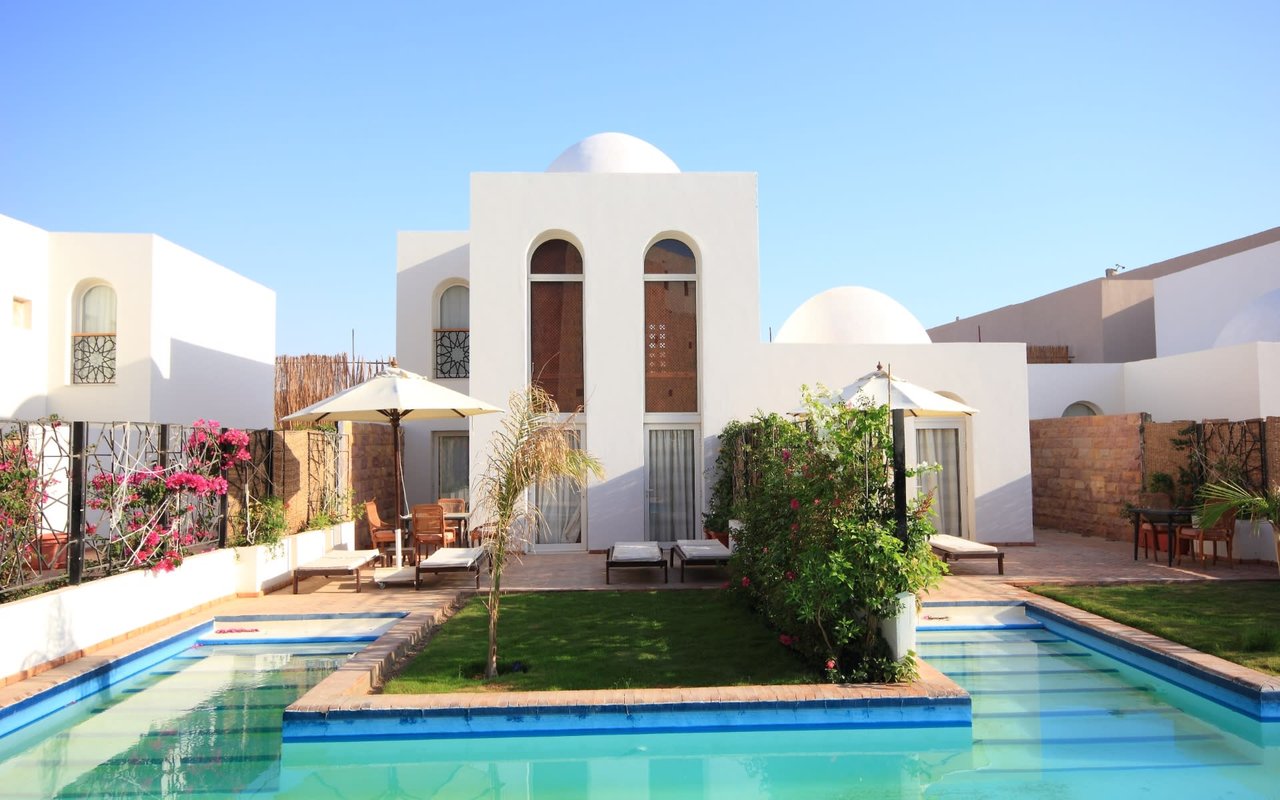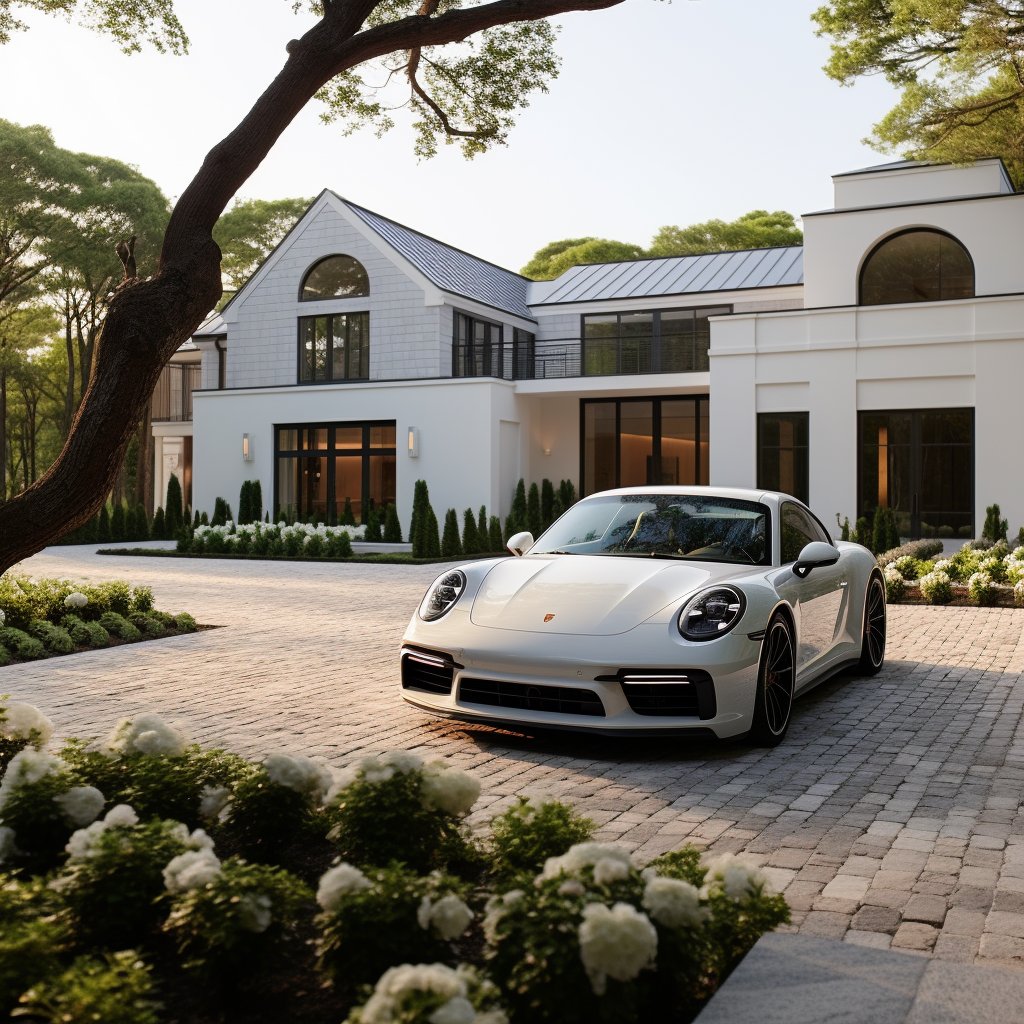
Luxury real estate is often presented as an individual asset.
A remarkable residence.
A prestigious address.
An exceptional view.
A private waterfront.
An extraordinary architectural design.
But no property truly exists in isolation.
Every home depends on the environment surrounding it.
The roads that connect it.
The airport that makes international travel possible.
The healthcare system supporting its residents.
The restaurants and cultural institutions shaping daily life.
The private clubs and recreational opportunities defining leisure.
The infrastructure that keeps technology, utilities, security, and transportation functioning.
These elements may not belong to the property legally.
Yet they influence the experience of owning it.
For affluent buyers, this distinction is becoming increasingly important.
The real value of a luxury residence is not determined only by what exists inside the property boundary.
It is also shaped by everything the address connects its owners to.
The Address Is an Ecosystem
The traditional definition of location is surprisingly narrow.
It identifies where a property sits geographically.
Modern luxury buyers often think about location differently.
They evaluate what that location makes possible.
Can residents reach an international airport efficiently?
Are leading healthcare facilities accessible?
Can a family enjoy dining, recreation, and cultural experiences without excessive travel?
Are business centers nearby?
Does the community offer privacy without creating isolation?
These questions transform location from a simple geographic coordinate into a broader lifestyle ecosystem.
Infrastructure Creates Invisible Value
Some of the most valuable characteristics of luxury markets are rarely visible during a property tour.
Reliable utilities.
High-speed connectivity.
Well-maintained roads.
Efficient transportation.
Modern healthcare.
Emergency services.
These systems operate quietly in the background.
Their value becomes most apparent when they are absent.
Strong infrastructure allows affluent residents to enjoy convenience without constantly thinking about how it is delivered.
That reliability becomes part of the luxury experience.
Airports Influence Luxury Markets More Than They Appear To
Global mobility has become an important component of affluent lifestyles.
Business leaders may travel internationally every month.
Families may maintain multiple residences.
Children may attend schools or universities in different cities.
Guests may arrive from around the world.
For these households, airport accessibility is not simply a convenience.
It influences how practical a location is as a long-term residence.
Luxury markets with efficient access to major transportation hubs can therefore benefit from an important structural advantage.
Healthcare Has Become a Residential Consideration
Luxury buyers increasingly think beyond today's lifestyle.
They also consider future needs.
Access to respected healthcare systems can influence long-term residential decisions, particularly for families planning to remain in a community for decades.
Quality hospitals.
Specialist care.
Emergency services.
Wellness providers.
These resources contribute to the overall strength of a location.
A market that combines exceptional housing with exceptional healthcare infrastructure becomes more attractive as an enduring place to live.
Education Strengthens Community Demand
For affluent families, education can be one of the most important components of residential decision-making.
The quality and accessibility of schools can influence where families establish long-term roots.
Private institutions.
Preparatory schools.
Universities.
Specialised educational programs.
These institutions create more than convenience.
They contribute to community identity and attract families seeking a particular lifestyle.
Over time, education becomes part of the location's value proposition.
Culture Gives Infrastructure Meaning
Infrastructure provides access.
Culture gives that access purpose.
Restaurants.
Museums.
Galleries.
Theatres.
Music venues.
Culinary destinations.
Sporting events.
These experiences transform a location from functional to desirable.
Affluent buyers increasingly seek places where everyday life offers richness and variety.
A luxury residence becomes more compelling when its surroundings provide experiences worth leaving the house for.
Private Amenities Strengthen Location Value
Luxury communities often benefit from highly specialised amenities.
Golf clubs.
Marinas.
Equestrian facilities.
Private fitness centers.
Beach clubs.
Country clubs.
These institutions can become important components of the lifestyle surrounding a property.
They also contribute to community identity.
When combined with exceptional residential inventory, they can create destinations that attract affluent buyers from outside the region.
Walkability Is Becoming a Luxury Feature
For decades, large luxury homes were often associated with automobile-dependent lifestyles.
Today, walkability is becoming increasingly desirable.
Being able to walk to:
- Restaurants
- Coffee shops
- Parks
- Boutiques
- Cultural venues
- Waterfront areas
creates a different kind of convenience.
It gives residents greater independence and reduces reliance on transportation.
For affluent buyers accustomed to convenience, that simplicity can be surprisingly valuable.
South Florida Illustrates the Principle
South Florida provides a particularly interesting example of how surrounding infrastructure influences luxury residential value.
The region combines international connectivity, coastal living, private aviation, hospitality, healthcare, dining, boating, golf, culture, and a growing network of affluent communities.
These characteristics help explain why individual properties can benefit from broader regional dynamics.
The residence is one component.
The surrounding ecosystem creates the context.
For buyers evaluating properties across South Florida, understanding that ecosystem can reveal differences that are not immediately visible from the home itself.
Infrastructure Can Protect Long-Term Relevance
Luxury properties are long-term assets.
The surrounding environment must therefore remain relevant as lifestyles evolve.
Infrastructure investment plays a critical role.
New transportation connections.
Improved public spaces.
Expanded healthcare.
Enhanced digital connectivity.
Cultural development.
These improvements can strengthen a community's ability to serve future residents.
A property may remain physically unchanged while the world around it becomes significantly more valuable.
The Most Valuable Locations Create Optionality
Exceptional locations provide choices.
Different ways to spend the weekend.
Different restaurants.
Different forms of recreation.
Multiple transportation options.
Access to business and culture.
That variety creates flexibility.
It allows owners to shape their lifestyles according to changing preferences.
In this sense, infrastructure becomes an enabler of luxury.
It expands what the address can offer.
The Difference Between Beautiful and Livable
A beautiful property can create immediate emotional impact.
A truly exceptional location must also perform.
It must function efficiently.
It must support daily routines.
It must provide access.
It must remain relevant.
The strongest luxury purchases combine both dimensions.
Beauty creates desire.
Infrastructure creates usability.
Community creates belonging.
Together, they create lasting value.
Why This Matters to Long-Term Buyers
Affluent buyers increasingly think beyond the first five years of ownership.
They consider ten, twenty, or even thirty years.
That longer horizon makes surrounding infrastructure increasingly important.
A property located within a growing, well-supported ecosystem may offer advantages that become more apparent over time.
The address becomes stronger because the environment surrounding it continues improving.
MMGLuxury Perspective
A luxury home should always be evaluated as part of a larger ecosystem.
Architecture matters.
Design matters.
Views matter.
But so do transportation, healthcare, education, culture, recreation, infrastructure, and access.
These elements determine how effectively a property supports the life of the person who owns it.
For buyers pursuing long-term value, the most important question may not simply be what the property offers.
It may be what the entire address makes possible.
That is where luxury location becomes more than geography.
It becomes infrastructure for an exceptional life.
Final Thought
A great home can provide extraordinary comfort.
A great address can provide something much larger.
Access.
Convenience.
Opportunity.
Culture.
Connection.
Over decades of ownership, these benefits compound into an experience that cannot be measured by square footage alone.
Because in luxury real estate, the walls may define the property.
But the world around them defines the address.
#LuxuryRealEstate #LuxuryLocation #MMGLuxury #SouthFloridaRealEstate #LuxuryProperty #LuxuryLifestyle #LuxuryCommunities #MarketIntelligence #HighEndRealEstate #RealEstateInsights