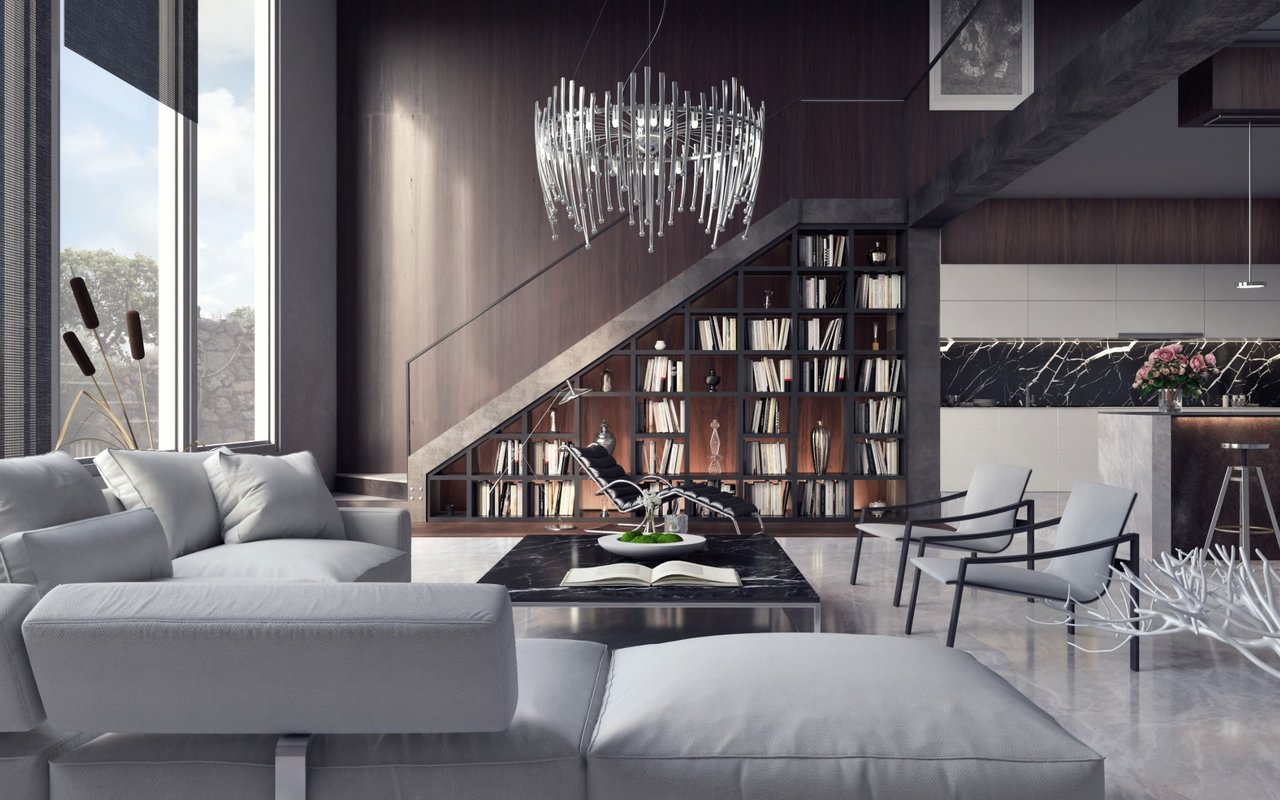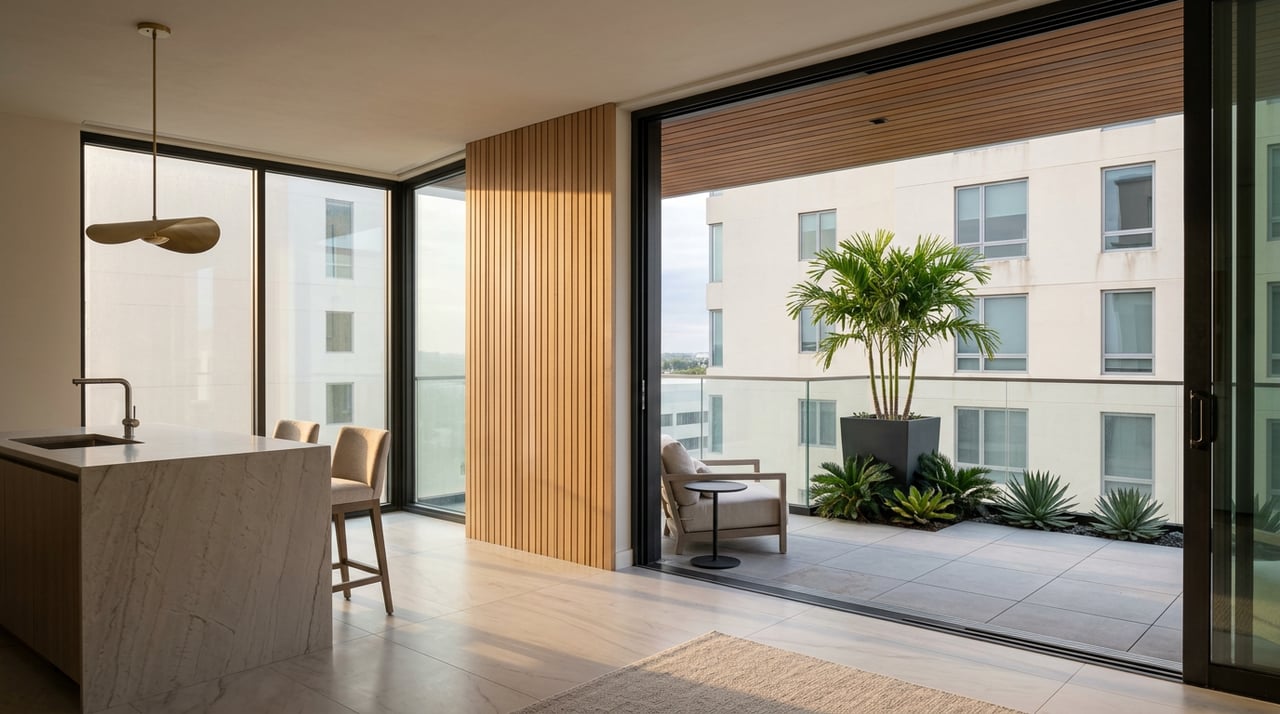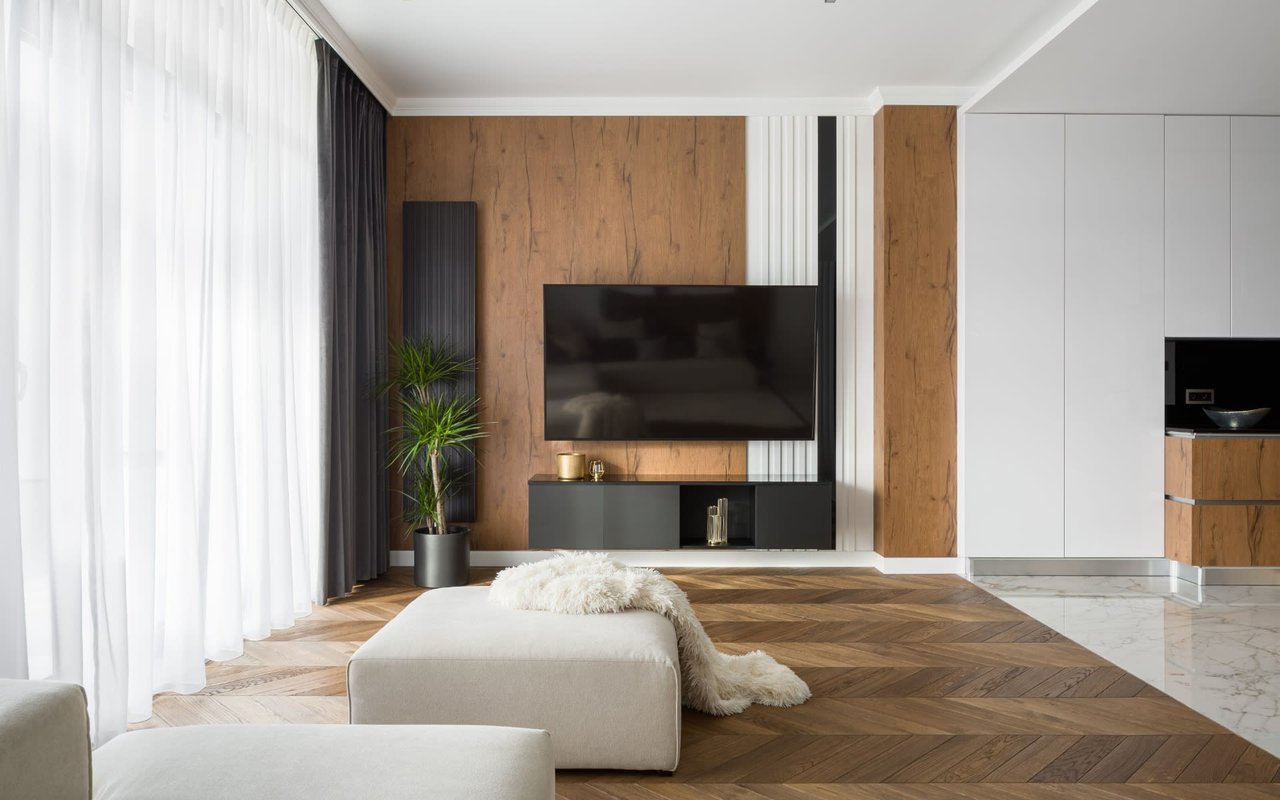
Luxury real estate has traditionally been a visual industry.
Architectural statements.
Waterfront views.
Expansive windows.
Custom finishes.
Landscaped grounds.
Designer interiors.
Spectacular entrances.
These elements immediately communicate quality because they can be photographed, marketed, and compared.
But some of the most meaningful characteristics of a luxury residence are becoming increasingly invisible.
Silence.
Acoustic privacy.
Distance from traffic.
Separation from neighboring homes.
Quiet bedrooms.
Peaceful outdoor spaces.
Sound-controlled interiors.
For affluent buyers, this is becoming a more consequential aspect of residential quality.
The reason is simple.
Modern life has become increasingly noisy.
Traffic.
Construction.
Aircraft.
Technology.
Entertainment.
Mechanical systems.
Dense development.
Even the constant presence of digital devices contributes to a sense of environmental stimulation.
As homes become more technologically sophisticated and lifestyles become more connected, the ability to retreat from that stimulation becomes increasingly valuable.
Luxury is beginning to move beyond what a property allows its owners to see.
It is also about what the property allows them to escape.
Silence Is Difficult to Photograph
A dramatic ocean view can be displayed instantly.
A marble kitchen can be photographed.
A dramatic staircase can become the centerpiece of a marketing campaign.
Silence is different.
It does not appear in a listing photograph.
It cannot easily be captured in a floor plan.
It is experienced rather than displayed.
This makes acoustic quality one of the most overlooked dimensions of luxury real estate.
A residence may look extraordinary while performing poorly acoustically.
Another may appear relatively understated but create an extraordinary sense of calm.
For discerning buyers, that difference can become immediately apparent once they spend enough time inside the property.
The Value of Quiet Changes With Lifestyle
Quiet has always been desirable.
But its importance increases as people's environments become more demanding.
Professionals may spend their days in meetings and constant communication.
Families may live with multiple devices, entertainment systems, and competing schedules.
Remote and hybrid work have also changed the relationship between home and productivity.
The residence is no longer simply a place where people return after work.
For many households, it is simultaneously an office, retreat, gym, entertainment venue, family gathering place, and private sanctuary.
That makes acoustic separation increasingly important.
Luxury Homes Need Different Kinds of Silence
Not all quiet is the same.
A bedroom requires one kind of acoustic environment.
A home office requires another.
A media room requires another.
An outdoor entertaining space has entirely different considerations.
This means exceptional acoustic design is not simply about making an entire property silent.
It is about controlling sound according to how each space is intended to function.
A home can be lively where it should be lively and quiet where it should be quiet.
That distinction is central to sophisticated residential design.
Bedrooms Are Becoming Acoustic Sanctuaries
The primary suite has evolved considerably over the past several decades.
It is no longer simply a large bedroom.
It may include private lounges, dressing rooms, spa bathrooms, terraces, outdoor showers, wellness areas, and dedicated sitting spaces.
Yet one of its most valuable characteristics may be much simpler.
Rest.
Acoustic privacy supports that objective.
Traffic noise, neighboring activity, mechanical equipment, and household movement can all affect the experience of a bedroom.
A well-designed residence considers how sound travels through the property rather than treating every room as acoustically independent.
Home Offices Have Changed the Equation
The rise of remote and hybrid work introduced a new requirement into luxury residential design.
Professional privacy.
A home office may need to support video calls, confidential conversations, focused work, and extended periods of concentration.
Visual privacy is only part of the equation.
Sound privacy matters just as much.
A beautifully designed office becomes considerably less effective if conversations can easily be heard from adjacent spaces.
This has increased the importance of spatial planning, insulation, door design, and separation between professional and family areas.
Entertainment Spaces Need Containment
Luxury homes frequently contain dedicated entertainment environments.
Media rooms.
Theatres.
Game rooms.
Music rooms.
Outdoor audio systems.
These spaces are designed to produce sound.
The challenge is preventing that sound from disrupting the rest of the home.
A well-designed entertainment area should allow the experience to remain immersive without turning the rest of the residence into an unintended audience.
Acoustic separation therefore becomes part of the architecture.
Mechanical Silence Is Its Own Luxury
Modern homes contain more mechanical infrastructure than ever.
HVAC systems.
Pool equipment.
Generators.
Elevators.
Water systems.
Security systems.
Home automation.
These systems improve comfort and convenience.
But they can also introduce unwanted noise.
The highest level of residential design considers not only whether a system works, but how quietly it operates.
Mechanical equipment that disappears acoustically creates a different experience from equipment that constantly reminds the owner that it exists.
True sophistication often means infrastructure becomes invisible.
And increasingly, inaudible.
Windows Have an Important Role
Large expanses of glass are a defining characteristic of contemporary luxury architecture.
They create dramatic views.
They bring natural light into the home.
They strengthen indoor-outdoor connections.
But large windows also create challenges.
External noise can become more noticeable.
Traffic, wind, aircraft, neighboring activity, and environmental sounds may enter the residence.
High-performance glazing and thoughtful architectural detailing can help manage this relationship.
The objective is not to isolate the homeowner from the environment completely.
It is to give the owner control over how much of the outside world enters the home.
Privacy Is Also Acoustic
Privacy is frequently discussed visually.
Can neighbors see inside?
Is the property screened?
Is the entrance secure?
Is the lot sufficiently separated?
But privacy also exists through sound.
A residence may have excellent visual screening while remaining acoustically exposed.
Conversations can travel.
Outdoor activities can carry.
Pool areas can transmit sound.
Mechanical equipment can affect neighboring spaces.
This makes acoustic privacy a natural extension of residential privacy.
The Outdoor Environment Matters Too
Luxury living increasingly extends outdoors.
Pools.
Terraces.
Outdoor kitchens.
Fire features.
Gardens.
Covered lounges.
Waterfront decks.
These spaces create exceptional lifestyle opportunities.
But their success depends partly on the acoustic environment around them.
A quiet waterfront setting produces a fundamentally different experience from a residence adjacent to heavy traffic.
The sounds of nature can become part of the property's identity.
Water.
Wind.
Birds.
Trees.
These sounds can reinforce the feeling of escape.
Natural Sound Can Become an Amenity
Not every desirable acoustic environment is completely silent.
The sound of waves.
Rain.
Water features.
Wind through trees.
Birds.
These natural sounds can contribute to relaxation.
This creates an interesting distinction.
The goal of luxury acoustic design is not necessarily absolute silence.
It is intentional sound.
The ability to hear what enhances the experience while limiting what does not.
That is a more sophisticated form of environmental control.
Location Still Determines the Ceiling of Quiet
Architecture can improve acoustic performance.
It cannot completely overcome every location disadvantage.
A residence directly adjacent to a major roadway faces a different acoustic environment from a private estate within a secluded enclave.
An urban condominium faces different challenges from a large suburban property.
A waterfront home can benefit from natural sounds while also experiencing boat traffic or nearby activity.
This makes location particularly important for buyers who place a high value on tranquility.
The building and the environment must work together.
South Florida Offers Contrasting Acoustic Environments
South Florida contains an unusually broad range of residential settings.
Dense urban towers.
Waterfront estates.
Gated communities.
Golf neighborhoods.
Coastal enclaves.
Large suburban properties.
Each provides a different acoustic environment.
For buyers seeking quiet, the distinction between these settings can be significant.
Two properties may share similar levels of architectural quality while offering completely different experiences once the doors are closed.
This is one reason a property should be experienced rather than evaluated entirely through photographs and specifications.
Sound Can Reveal What Photographs Cannot
A photograph can show a beautiful bedroom.
It cannot tell you whether traffic is audible at night.
A video can show an expansive terrace.
It may not accurately communicate the surrounding sound environment.
A floor plan can demonstrate separation.
It cannot fully reveal how sound travels between rooms.
This is why physical experience remains particularly important in luxury real estate.
Some of the most valuable qualities are experiential.
Acoustic privacy is one of them.
Quiet Can Influence How Large a Property Feels
This is an interesting psychological effect.
A home does not necessarily feel private simply because it has significant square footage.
If sound travels easily between spaces, the residence can feel less separated.
Conversely, thoughtful acoustic design can make a property feel more expansive.
Different areas feel independent.
Bedrooms feel removed from entertainment spaces.
Offices feel separate from family activity.
Outdoor areas feel connected to nature rather than surrounding noise.
Acoustic separation can therefore influence the perceived quality of space.
Acoustic Design Supports Wellness
Wellness in luxury real estate has traditionally focused on physical amenities.
Fitness rooms.
Spas.
Pools.
Saunas.
Cold plunges.
Outdoor spaces.
But recovery also requires the ability to disconnect.
Noise can interfere with concentration and rest.
A quieter environment can support a more restorative experience.
This makes acoustic design increasingly relevant to the broader wellness movement within luxury residential architecture.
The home becomes a place not only to exercise and entertain, but to decompress.
Quiet Is Becoming a Form of Exclusivity
There is an important economic principle behind this.
The more difficult something is to obtain, the more valuable it can become.
Quiet environments can become difficult to secure as communities become denser.
Traffic increases.
Development expands.
Airports become busier.
Construction continues.
Urbanization changes surrounding environments.
A truly peaceful residential setting can therefore become increasingly differentiated.
In some markets, quiet may eventually function much like waterfront access or protected views.
It becomes a location characteristic that cannot easily be added later.
Acoustic Quality Can Strengthen Long-Term Value
The value of acoustic privacy is unlikely to depend on a particular design trend.
People will continue to value sleep.
Privacy.
Concentration.
Relaxation.
Conversation.
Outdoor enjoyment.
These are enduring human needs.
That makes acoustic quality different from a temporary aesthetic preference.
A fashionable finish can become dated.
A peaceful bedroom remains valuable.
A quiet outdoor setting remains desirable.
A residence that protects its owners from unnecessary noise may therefore possess a form of long-term relevance that is easy to underestimate.
What Buyers Should Listen For
When touring a luxury residence, buyers often look.
They should also listen.
Pause inside the primary suite.
Listen from the home office.
Spend time on the terrace.
Stand near mechanical rooms.
Visit the property at different times of day.
Listen for traffic.
Aircraft.
Neighbors.
Mechanical equipment.
Construction.
Water activity.
Then consider the opposite.
What can you hear that you actually want to hear?
Trees.
Water.
Birds.
Silence.
The acoustic character of the property can reveal information that no listing description can fully communicate.
What Developers Are Beginning to Recognize
As luxury competition increases, developers have become increasingly focused on differentiation.
Better kitchens.
Larger pools.
More amenities.
More technology.
But the next stage of luxury design may involve qualities that are less obvious.
Acoustic performance.
Air quality.
Natural light.
Thermal comfort.
Privacy.
These characteristics improve the actual experience of living in a residence.
They are difficult to market through a single photograph.
But they can become highly memorable once experienced.
The Quietest Luxury May Be the Most Sophisticated
Luxury has historically been associated with visual excess.
Large spaces.
Dramatic materials.
Spectacular entrances.
Bold architecture.
Modern luxury is becoming more nuanced.
The highest level of residential quality increasingly involves control.
Control of temperature.
Light.
Privacy.
Technology.
Security.
And sound.
The owner decides what enters the environment and what stays outside.
That is a particularly sophisticated definition of luxury.
MMGLuxury Perspective
Luxury real estate is ultimately about the quality of the experience created by a property.
Acoustic privacy deserves a larger role in that conversation.
A residence can have extraordinary architecture and still feel less exceptional if the surrounding sound environment undermines the experience.
Conversely, a thoughtfully designed and well-positioned home can create something that is difficult to put into a listing description but immediately recognizable in person.
Calm.
Separation.
Privacy.
Control.
For affluent buyers, these qualities may become increasingly important as the environments surrounding luxury communities grow more connected and more active.
The strongest properties will not simply provide spectacular views.
They will provide the ability to choose what the owner sees, feels, and hears.
Final Thought
Some forms of luxury announce themselves immediately.
Others become apparent only when everything becomes quiet.
The absence of traffic.
The separation from neighboring activity.
The ability to work without interruption.
The ability to sleep without disturbance.
The sound of water instead of machinery.
These are not features that necessarily appear in a property brochure.
They are experiences.
And as luxury real estate becomes increasingly sophisticated, experiences that protect attention, privacy, and peace may become some of the most valuable forms of residential luxury.
The future of luxury may not always be louder.
In many of the world's most desirable homes, it may be quieter.
#LuxuryRealEstate #QuietLuxury #MMGLuxury #LuxuryArchitecture #LuxuryHomeDesign #SouthFloridaRealEstate #LuxuryHomes #LuxuryLifestyle #HighEndRealEstate #MarketIntelligence